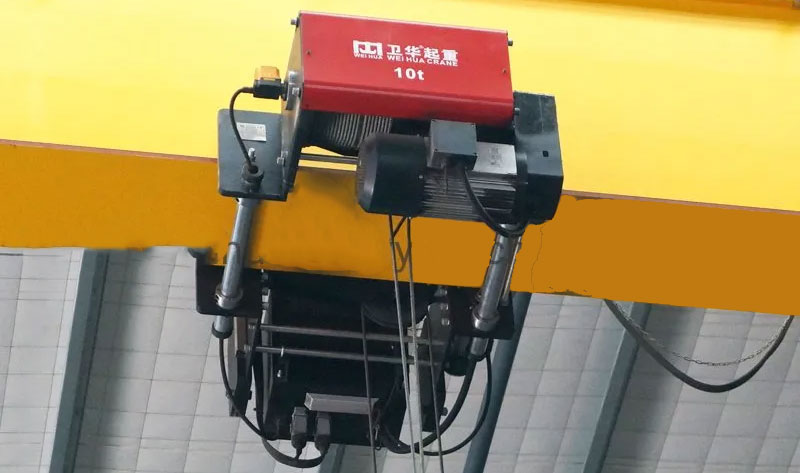
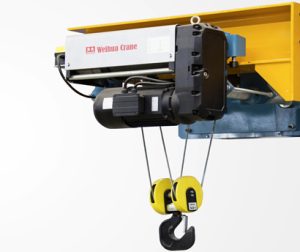
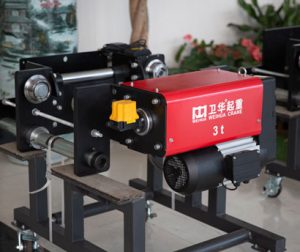
Elektrikli qaldırıcı, ağır yüklərin qaldırılması üçün kritik bir avadanlıq parçasıdır. Hər hansı bir mürəkkəb elektromexaniki cihaz kimi, it can experience issues ranging from simple operational mistakes to serious mechanical failures. Learning to troubleshoot common problems can save you valuable time and money, while ensuring a safe working environment. This guide will walk you through the steps of diagnosing and resolving the most frequent electric hoist malfunctions.
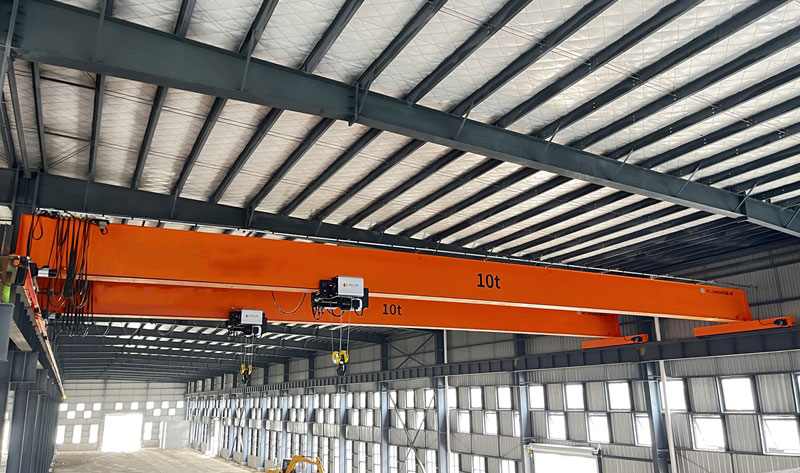
Essential Precautions
Before you begin any troubleshooting:
- 1. Gücünü kəsmək: Always isolate the hoist from its power source. Lock out and tag out the circuit to prevent accidental re-energizing.
- 2. No Load Testing: Never attempt to troubleshoot a hoist under load. Lower the load to a secure resting place before inspection.
- 3. Şəxsi qoruyucu avadanlıq (Ppe): Wear appropriate safety gear, including gloves and safety glasses.
- 4. Hüdudlarınızı bilin: If the problem involves major electrical components, structural integrity, or the brake system, consult a qualified technician. Your safety is paramount.
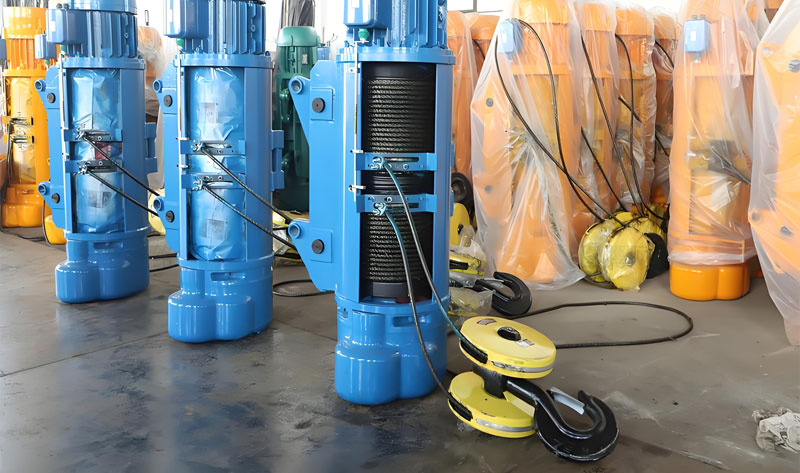
Common Electric Hoist Problems and Solutions
Here is a structured guide to diagnose and fix common hoist issues.
1. Hoist Does Not Operate At All
Symptoms:
Possible Causes & Solutions:
- 1. Power Supply Issue: This is the most common cause.
- Check: Ensure the main disconnect is ON. Verify that the hoist is plugged in correctly (Mümkünsə). Test the outlet or circuit breaker with a voltmeter.
- Həlli: Reset tripped breakers or replace blown fuses. Ensure the power cord is not damaged.
- 2. Open/Limit Switch Engaged:
- Check: Most hoists have an emergency stop or master switch that might be in the “OFF” position. Also, the upper limit switch may have been triggered, cutting power.
- Həlli: Ensure all switches are in the “ON” or reset position. Manually reset the limit switch (consult your hoist’s manual for the specific procedure).
- 3. Faulty Pendant Control:
- Check: Inspect the pendant cord for cuts, cracks, və ya zərər. The buttons may be stuck or faulty.
- Həlli: Have a qualified electrician test the pendant for continuity. Replace the pendant if necessary.
2. Hoist Operates in One Direction Only
Symptoms:
Possible Causes & Solutions:
- 1. Faulty Control Button:
- Check: The button for the non-working direction on the pendant may be damaged or have a broken wire.
- Həlli: Test the pendant control. Replacement of the button or the entire pendant is often required.
- 2. Stuck or Faulty Contactor:
- Check: The contactor (a heavy-duty relay) for one direction may have failed, burnt contacts, or a faulty coil.
- Həlli: This requires a qualified technician to diagnose and replace the faulty contactor.
- 3. Limit Switch Issue (for the raising direction):
- Check: The upper limit switch might be malfunctioning and not resetting, preventing the hoist from lifting further, even if it’s not at the limit.
- Həlli: Inspect, test, and reset or replace the limit switch.
3. Motor Humms But Doesn’t Run
Symptoms:
Possible Causes & Solutions:
- 1. Aşağı gərginlik:
- Check: Use a voltmeter to check the voltage at the hoist’s connection point. It should be within 10% of the rated voltage.
- Həlli: Correct the power supply issue. Low voltage can seriously damage the motor.
- 2. Faza (for 3-Phase Hoists):
- Check: A blown fuse or broken wire can cause a loss of one phase.
- Həlli: A technician must check all fuses and wiring for the power supply.
- 3. Mechanical Jam or Overload:
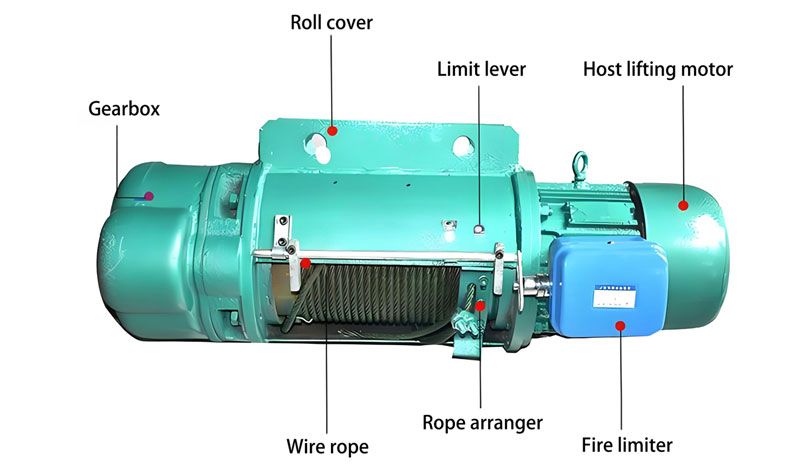
- Check: The load might be beyond the hoist’s capacity, or an internal mechanism (dişlilər, rulman) may be seized.
- Həlli: Immediately turn off power. Check for a jammed load or obstruction. Do not force the hoist. If the mechanism is seized, professional repair is needed.
4. Hoist Struggles or Runs Slowly Under Load
Symptoms:
Possible Causes & Solutions:
- 1. Aşağı gərginlik:
- Check: As above, low voltage is a common culprit for poor performance.
- Həlli: Ensure adequate voltage supply.
- 2. Yüklənmək:
- Check: The load may be too heavy for the hoist.
- Həlli: Never overload a hoist. Check the weight of the load and ensure it is within the hoist’s rated capacity. Overloading is extremely dangerous and can cause catastrophic failure.
- 3. Worn Motor or Brake Drag:
- Check: Internal motor issues or a brake that is not fully releasing can create excessive drag.
- Həlli: Requires inspection and repair by a technician.
5. Əməliyyat zamanı həddindən artıq səs-küy
Symptoms:
Possible Causes & Solutions:
- 1. Lack of Lubrication:
- Check: Gears and mechanical joints may be dry.
- Həlli: Refer to the manufacturer’s manual for the correct lubrication points and type of lubricant. Do not over-lubricate.
- 2. Worn or Damaged Gears/Bearings:
- Check: Internal mechanical components wear out over time.
- Həlli: These components need to be replaced by a professional.
- 3. Loose Parts or Mounting:
- Check: Inspect the entire system, including the mount, qarmaq, and guards, for loose bolts or parts.
- Həlli: Tighten all fasteners to the manufacturer’s specified torque.
Bir professional adlandırmaq üçün
While basic checks are fine, certain problems require expert attention:
-
1. Any internal electrical issue (kontaktlar, motor windings).
-
2. Any problem with the brake assembly.
-
3. Any structural damage to the hook, zəncir, or housing.
-
4. Any gear or bearing replacement.
-
5. If you are unsure of the cause or the solution.

Preventive Maintenance is Key
The best troubleshooting is avoiding problems altogether. Establish a regular preventive maintenance schedule:
- 1. Vizual yoxlama: Daily check for loose bolts, damaged hooks, worn chain, and cord damage.
- 2. Functional Test: Test the hoist without a load daily, checking all directions and limit switches.
- 3. Regular Lubrication: Lubricate as per the manufacturer’s schedule.
- 4. Professional Inspection: Have a certified technician perform an annual inspection.
By using this electric hoist troubleshooting guide, you can confidently address common issues, maintain a safer workspace, and keep your operations running smoothly. Yadda saxlamaq: Şübhə olduqda, always err on the side of caution and call a qualified expert.