
Menú de navegación

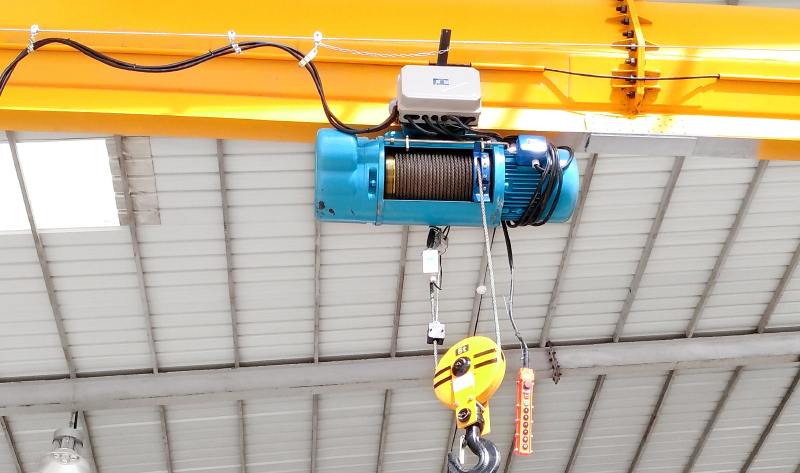
En el mundo del levantamiento de cargas pesadas., Dos incondicionales suelen estar uno al lado del otro en los talleres., almacenes, y sitios de construcción: el polipasto eléctrico y el polipasto manual de cadena (A menudo se le llama simplemente polipasto de cadena o polipasto de cadena.). Si bien ambos cumplen el propósito fundamental del levantamiento vertical, su funcionamiento, capacidades, y las aplicaciones ideales difieren significativamente. Elegir el equivocado puede significar ineficiencia, fatiga del operador, o incluso potencia inadecuada. Analicemos las diferencias clave.
Chat en línea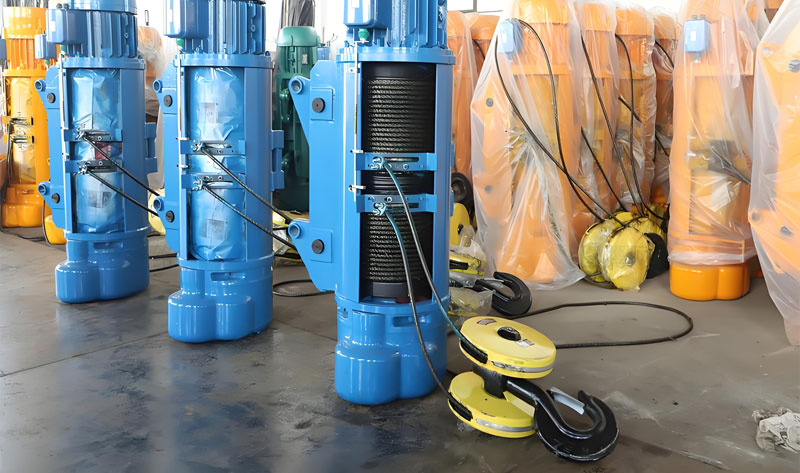
1. Fuente de energía & Operación:
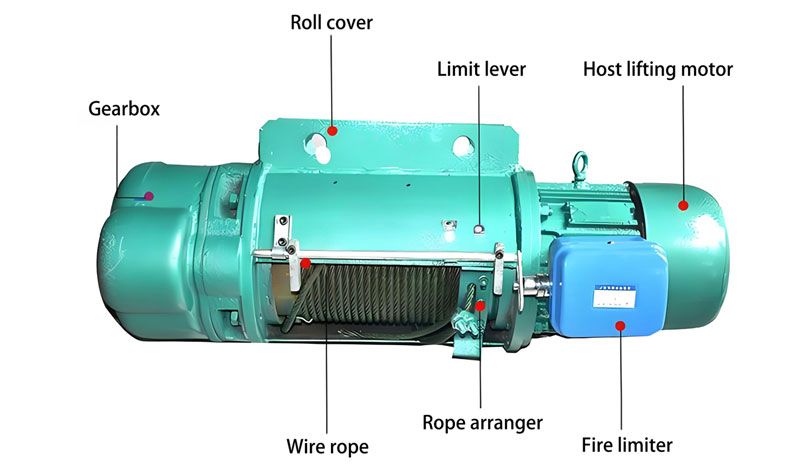
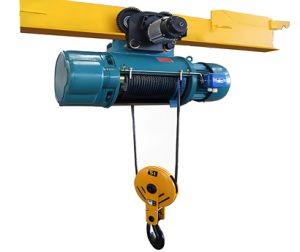
Polipasto eléctrico: Impulsado por un motor eléctrico.. El funcionamiento suele realizarse a través de un control colgante con botón pulsador. (arriba/abajo) o a veces un control remoto por radio. Requiere una fuente de energía eléctrica confiable (monofásico o trifásico, dependiendo del modelo).
Polipasto de cadena: Impulsado puramente por el esfuerzo humano. El operador tira de la cadena manual en una dirección para levantar y en la otra dirección para bajar la carga.. No se necesita electricidad.
2. Velocidad de elevación & Eficiencia:
Polipasto eléctrico: Velocidades de elevación y descenso significativamente más rápidas. Ideal para tareas de elevación repetitivas, operaciones de alto volumen, o mover cargas a distancias mayores rápidamente. Aumenta drásticamente la productividad.
Polipasto de cadena: Velocidad de elevación relativamente lenta, Totalmente dependiente de la fuerza y resistencia del operador.. Más adecuado para levantamientos ocasionales, posicionamiento preciso, o tareas de menor frecuencia. Puede causar fatiga al operador con un uso intenso o frecuente..
3. Capacidad de levantamiento:
Polipasto eléctrico: Disponible en una amplia gama de capacidades, de trabajo liviano (P.EJ., 250 kg / 0.25 tonelada) hasta modelos extremadamente resistentes (50 toneladas+). Maneja fácilmente capacidades más grandes de manera eficiente.
Polipasto de cadena: También disponible en una amplia gama de capacidades. (P.EJ., 500 kilogramos a 20 toneladas+ común). Sin embargo, la capacidad práctica a menudo está limitada por la capacidad del operador para tirar de la cadena de manera efectiva, especialmente cerca de la clasificación máxima del polipasto. Los modelos de muy alta capacidad requieren un esfuerzo inmenso.
4. Control & Precisión:
Polipasto eléctrico: Ofrece un buen control mediante motores de velocidad variable. (en muchos modelos) para arranques/paradas y posicionamiento suaves. Más fácil de operar consistentemente. Sin embargo, El control fino de "pulgadas" puede requerir características específicas.
Polipasto de cadena: Proporciona una excelente respuesta táctil y un control muy fino para un posicionamiento preciso (P.EJ., maquinaria de montaje, alinear componentes). El operador siente directamente la carga..
5. Instalación & Requisitos:
Polipasto eléctrico: Requiere cableado eléctrico adecuado y, a menudo, una estructura de soporte robusta. (haz, carretilla, portal) debido a velocidades más altas y posibles fuerzas dinámicas. La instalación es generalmente más compleja y requiere personal cualificado..
Polipasto de cadena: Instalación más sencilla. Necesita principalmente un punto de anclaje adecuado (gancho, arrastrar) sobre una viga o estructura. Altamente portátil: se puede trasladar fácilmente a diferentes ubicaciones.
6. Consideraciones de costos:
Polipasto eléctrico: Mayor costo de compra inicial. Requiere costos eléctricos continuos.. Potencial de mayores costos de mantenimiento debido al motor., caja de cambios, y componentes electricos.
Polipasto de cadena: Menor costo de compra inicial. Sin costos de energía operativa (más allá de las calorías del operador!). Costos de mantenimiento generalmente más bajos. (engranaje, aspectos, cadena).
7. Ruido & Ambiente:
Polipasto eléctrico: Genera ruido del motor y la caja de cambios durante el funcionamiento..
Polipasto de cadena: Funciona silenciosamente (aparte de los sonidos del movimiento de la cadena).
8. Características de seguridad:
Ambos: Debe tener características de seguridad esenciales como limitadores de carga/protección contra sobrecargas y frenos mecánicos.. Polipasto eléctrico A menudo incluyen funciones adicionales como botones de parada de emergencia., protección de fase, y protección contra sobrecarga térmica para el motor.. La seguridad del polipasto de cadena depende en gran medida del uso correcto por parte del operador y de no exceder la capacidad.
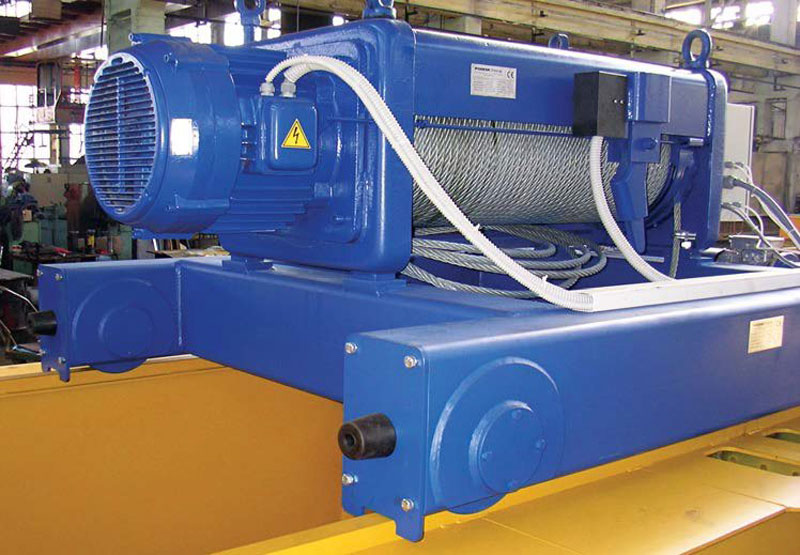
1. alta frecuencia, tareas de levantamiento repetitivas.
2. Levantar cargas más pesadas de manera eficiente.
3. Aplicaciones que requieren velocidades de elevación/descenso más rápidas.
4. Situaciones en las que es necesario minimizar la fatiga del operador.
5. Integración en líneas de producción o procesos automatizados.
6. Levantar alturas mayores con frecuencia.
1. Necesidades ocasionales de elevación.
2. Tareas de posicionamiento precisas (instalación de maquinaria, alineación).
3. Aplicaciones donde no hay electricidad disponible, faltón, o peligroso.
4. Ascensores de menor capacidad donde el esfuerzo del operador es manejable.
5. Proyectos conscientes del presupuesto.
6. Situaciones que requieren alta portabilidad y configuración rápida en diferentes ubicaciones.
7. Talleres de mantenimiento, talleres más pequeños, trabajo de campo.
No existe un único polipasto que sea el "mejor". La elección correcta depende enteramente de sus necesidades específicas:
1. Peso de carga & Frecuencia: que pesado, con qué frecuencia?
2. Altura de elevación & Velocidad necesaria: Hasta dónde, que rapido?
3. Disponibilidad de energía: Electricidad confiable en el sitio?
4. Requisitos de precisión: Necesita un control fino?
5. Presupuesto: Costo inicial versus. costos operativos a largo plazo?
6. Portabilidad: Necesita moverlo con frecuencia?
7. Ambiente: Polvoriento, húmedo, atmósfera explosiva? (Requiere calificaciones específicas).
Sopesando cuidadosamente estos factores con las fortalezas y debilidades de los polipastos eléctricos y de cadena., Puede seleccionar con confianza la herramienta de elevación que maximice la seguridad., eficiencia, y valor para su aplicación específica. Recordar, a veces tener uno de cada uno es la solución perfecta para un espacio de trabajo versátil!
A1: Ambos vienen en rangos de capacidad similares (P.EJ., 0.5–20+ toneladas). Sin embargo, Los polipastos eléctricos manejan cargas pesadas de manera eficiente sin esfuerzo del operador., mientras que los polipastos manuales de cadena dependen del esfuerzo humano (haciendo que las cargas muy pesadas no sean prácticas para el uso frecuente).
A2: Ideal para:
1. Levantamiento frecuente/repetitivo.
2. Cargas pesadas (1+ montones).
3. Tareas que requieren velocidad o fatiga mínima del operador..
4. Líneas de producción o configuraciones automatizadas.
A3: Elige cuando:
1. El posicionamiento preciso es fundamental (P.EJ., alineación de maquinaria).
2. La electricidad no está disponible o es peligrosa..
3. Portabilidad, bajo costo, o se prioriza el uso ocasional.
4. Cargas más ligeras o levantamientos poco frecuentes.
Valoramos sus comentarios! Complete el formulario a continuación para que podamos adaptar nuestros servicios a sus necesidades específicas..
Introducción del producto El polipasto eléctrico con trole de dos vigas es un polipasto de alta capacidad., indio……

10 Ton Características clave de la cadena eléctrica 1. Alta capacidad de elevación: Admite un máximo ……
En almacenes, fábricas, y líneas de ensamblaje en todo el mundo, El tiempo es la mejor moneda. T ……
El polipasto eléctrico de construcción de Weihua es una solución de elevación de alto rendimiento diseñada s ……

