
Menu de navigation

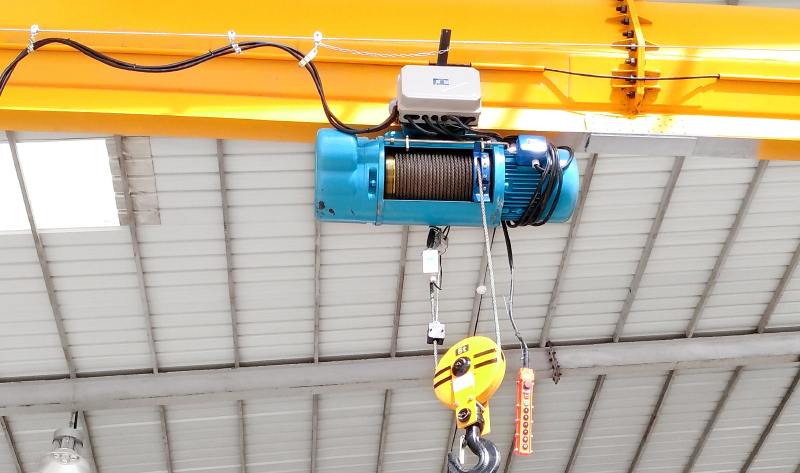
Dans le monde du levage de charges lourdes, deux piliers se tiennent souvent côte à côte dans les ateliers, entrepôts, et chantiers: le palan électrique et le palan manuel à chaîne (souvent simplement appelé palan à chaîne ou bloc à chaîne). Bien que les deux servent l'objectif fondamental du levage vertical, leur fonctionnement, capacités, et les applications idéales diffèrent considérablement. Choisir le mauvais modèle peut être synonyme d’inefficacité, fatigue de l'opérateur, voire une puissance insuffisante. Décomposons les principales différences.
Chat en ligne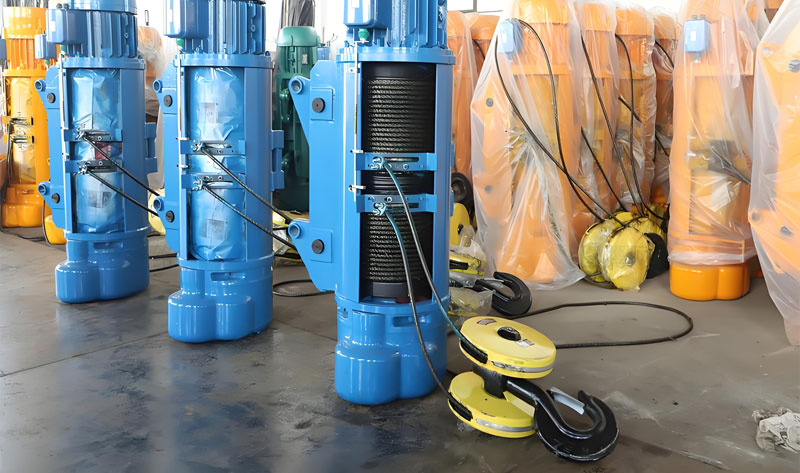
1. Source d'alimentation & Opération:
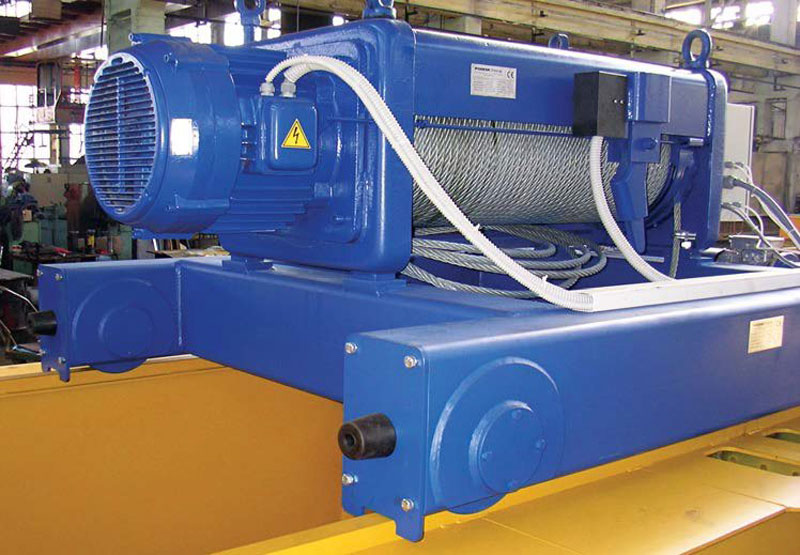
Palan électrique: Propulsé par un moteur électrique. Le fonctionnement se fait généralement via une commande suspendue à bouton-poussoir (haut/bas) ou parfois une télécommande radio. Nécessite une source d’alimentation électrique fiable (monophasé ou triphasé, selon modèle).
Palan à chaîne: Alimenté uniquement par l'effort humain. L'opérateur tire la chaîne manuelle dans un sens pour soulever et dans l'autre sens pour abaisser la charge.. Pas besoin d'électricité.
2. Vitesse de levage & Efficacité:
Palan électrique: Vitesses de levage et de descente nettement plus rapides. Idéal pour les tâches de levage répétitives, opérations à grand volume, ou déplacer rapidement des charges sur de plus grandes distances. Augmente considérablement la productivité.
Palan à chaîne: Vitesse de levage relativement lente, entièrement dépendant de la force et de l’endurance de l’opérateur. Idéal pour les remontées occasionnelles, positionnement précis, ou des tâches à moindre fréquence. Peut causer de la fatigue à l'opérateur en cas d'utilisation intensive ou fréquente.
3. Capacité de levage:
Palan électrique: Disponible dans une vaste gamme de capacités, du matériel léger (Par exemple, 250 kg / 0.25 tonne) aux modèles extrêmement lourds (50 tonnes+). Gère facilement et efficacement les grandes capacités.
Palan à chaîne: Également disponible dans une large gamme de capacités (Par exemple, 500 kg à 20 tonnes+ commun). Cependant, la capacité pratique est souvent limitée par la capacité de l’opérateur à tirer efficacement la chaîne, surtout près de la valeur nominale maximale du palan. Les modèles de très grande capacité nécessitent d’immenses efforts.
4. Contrôle & Précision:
Palan électrique: Offre un bon contrôle via des moteurs à vitesse variable (sur de nombreux modèles) pour des démarrages/arrêts et un positionnement en douceur. Plus facile à utiliser de manière cohérente. Cependant, un contrôle fin en pouces peut nécessiter des fonctionnalités spécifiques.
Palan à chaîne: Fournit un excellent retour tactile et un contrôle très fin pour un positionnement précis (Par exemple, machines de montage, alignement des composants). L'opérateur ressent directement la charge.
5. Installation & Exigences:
Palan électrique: Nécessite un câblage électrique approprié et souvent une structure de support robuste (faisceau, chariot, portique) en raison de vitesses plus élevées et de forces dynamiques potentielles. L'installation est généralement plus complexe et nécessite du personnel qualifié.
Palan à chaîne: Installation plus simple. Nécessite avant tout un point d’ancrage approprié (crochet, patte) sur une poutre ou une structure. Très portable – facilement déplacé vers différents endroits.
6. Considérations relatives aux coûts:
Palan électrique: Coût d’achat initial plus élevé. Nécessite des coûts électriques continus. Potentiel de coûts de maintenance plus élevés en raison du moteur, boîte de vitesse, et composants électriques.
Palan à chaîne: Coût d’achat initial réduit. Pas de frais d'énergie de fonctionnement (au-delà des calories de l'opérateur!). Coûts de maintenance généralement inférieurs (engrenages, roulements, chaîne).
7. Bruit & Environnement:
Palan électrique: Génère du bruit du moteur et de la boîte de vitesses pendant le fonctionnement.
Palan à chaîne: Fonctionne silencieusement (à part les bruits de mouvement de la chaîne).
8. Caractéristiques de sécurité:
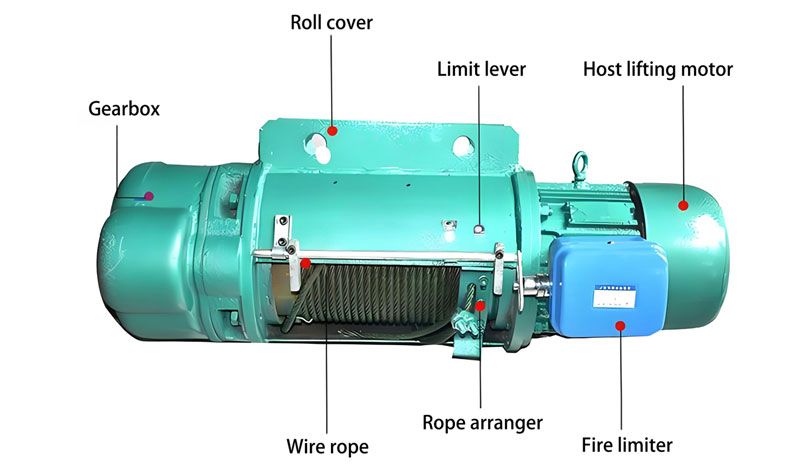
Les deux: Doit avoir des caractéristiques de sécurité essentielles telles que des limiteurs de charge/protection contre les surcharges et des freins mécaniques. Palan électrique incluent souvent des fonctionnalités supplémentaires telles que des boutons d'arrêt d'urgence, protection de phase, et protection contre les surcharges thermiques pour le moteur. La sécurité du palan à chaîne repose en grande partie sur une utilisation correcte par l'opérateur et sur le fait de ne pas dépasser sa capacité..
1. Haute fréquence, tâches de levage répétitives.
2. Lever efficacement des charges plus lourdes.
3. Applications nécessitant des vitesses de levage/descente plus rapides.
4. Situations où la fatigue de l'opérateur doit être minimisée.
5. Intégration dans des lignes de production ou des processus automatisés.
6. Soulever fréquemment de plus grandes hauteurs.
1. Besoins occasionnels de levage.
2. Tâches de positionnement précis (installation de machines, alignement).
3. Applications où l'électricité n'est pas disponible, peu fiable, ou dangereux.
4. Ascenseurs de faible capacité où l’effort de l’opérateur est gérable.
5. Des projets soucieux de leur budget.
6. Situations nécessitant une grande portabilité et une installation rapide dans différents endroits.
7. Ateliers d'entretien, petits ateliers, travail sur le terrain.
Il n’existe pas de « meilleur » palan. Le bon choix dépend entièrement de vos besoins spécifiques:
1. Poids de charge & Fréquence: Comme c'est lourd, à quelle fréquence?
2. Hauteur de levage & Vitesse nécessaire: Jusqu'à quel point, à quelle vitesse?
3. Disponibilité de l'alimentation: Électricité fiable sur place?
4. Exigences de précision: Besoin d'un contrôle précis?
5. Budget: Coût initial vs. coûts d'exploitation à long terme?
6. Portabilité: Il faut le déplacer fréquemment?
7. Environnement: Poussiéreux, mouillé, atmosphère explosive? (Nécessite des évaluations spécifiques).
En pesant soigneusement ces facteurs par rapport aux forces et aux faiblesses des palans électriques et à chaîne, vous pouvez sélectionner en toute confiance l'outil de levage qui maximise la sécurité, efficacité, et valeur pour votre application spécifique. Souviens-toi, parfois, en avoir un de chaque est la solution parfaite pour un espace de travail polyvalent!
A1: Les deux sont disponibles dans des plages de capacité similaires (Par exemple, 0.5–20+ tonnes). Cependant, les palans électriques manipulent efficacement des charges lourdes sans fatiguer l'opérateur, tandis que les palans manuels à chaîne dépendent de l'effort humain (rendant les charges très lourdes peu pratiques pour une utilisation fréquente).
A2: Idéal pour:
1. Levage fréquent/répétitif.
2. Charges lourdes (1+ tonnes).
3. Tâches nécessitant de la rapidité ou une fatigue minimale de l'opérateur.
4. Lignes de production ou réglages automatisés.
A3: Choisissez quand:
1. Un positionnement précis est essentiel (Par exemple, alignement des machines).
2. L'électricité n'est pas disponible ou est dangereuse.
3. Portabilité, faible coût, ou un usage occasionnel est privilégié.
4. Charges plus légères ou levages peu fréquents.
Nous apprécions vos commentaires! Veuillez remplir le formulaire ci-dessous afin que nous puissions adapter nos services à vos besoins spécifiques.
20 Paramètres du palan à câble électrique en pieds Classification Nom du paramètre Détails P……
Caractéristiques du produit du palan électrique de pont 1. Structure robuste: Construit avec du s……
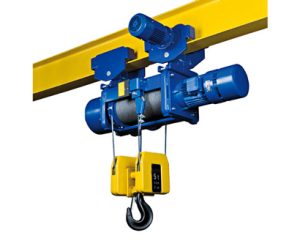
Le chariot électrique est un efficace, sûr, équipement léger et petit. Com ……
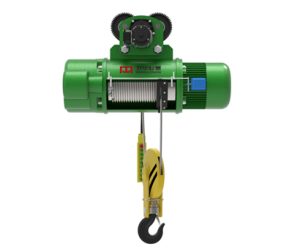
Le palan électrique Weihua Foundry Duty est un robuste, solution de levage haute performance sp……

