
Menu de navigation

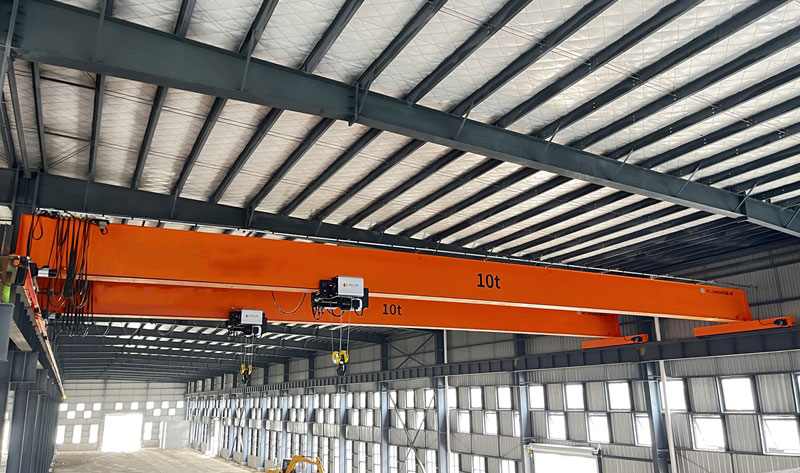
Whether you're lifting heavy machinery in a workshop, loading cargo onto a truck, or recovering a stuck vehicle off-road, powered lifting and pulling devices are essential. Two workhorses dominate this space: the Electric Hoist and the Electric Winch. While they share similarities – both use electric motors to spool cable – their design, purpose, et les applications idéales diffèrent considérablement. Choosing the wrong one isn't just inefficient; it can be dangerous. Let's break down each one.
Chat en ligneQu'est-ce que c'est: Un palan électrique is engineered primarily for vertical lifting. It’s designed to lift loads straight up and lower them straight down, often suspended from an overhead structure like an I-beam, portique, or trolley system.
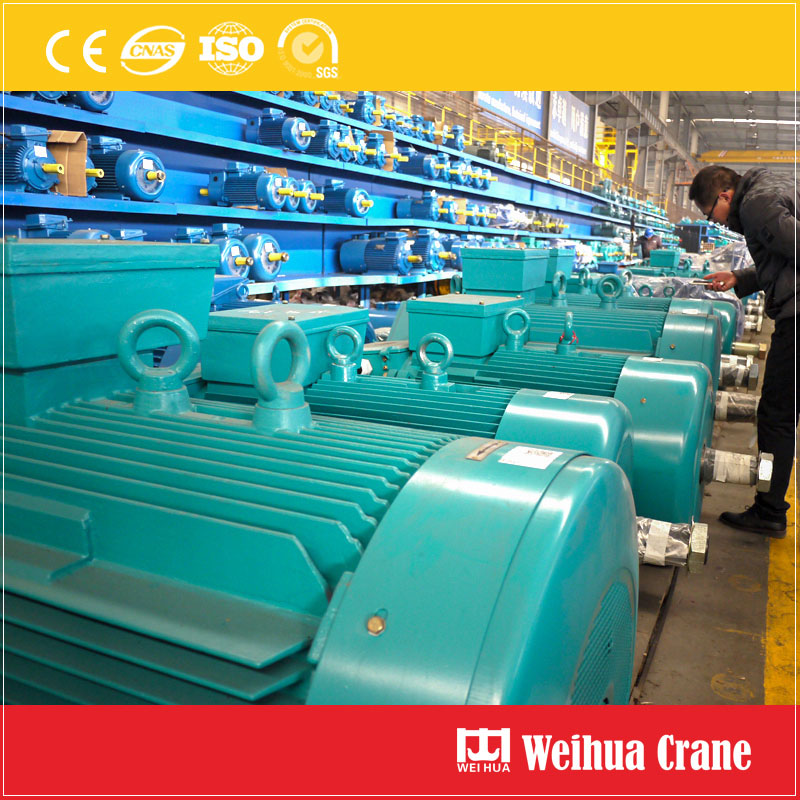
Principales fonctionnalités:
Load Chain or Wire Rope: Uses robust load chain (common in smaller models) ou corde métallique.
Contrôle précis: Features precise up/down controls, often with multiple speed options (including creep speed for delicate positioning).
Integrated Braking: Employs critical safety brakes (mechanical load brakes, disc brakes) that automatically engage if power is lost or when stopping, empêcher une descente incontrôlée. This is paramount for overhead lifting safety.
Hook Mounting: Typically has a top hook for suspension and a bottom hook for attaching the load.
Cycle de service: Rated for specific duty cycles (Par exemple, CMAA classes in the US) indicating how frequently and intensively they can operate.
Certifications de sécurité: Often built to stringent lifting standards (comme ASME B30.16).
Primary Applications: Factories, entrepôts, ateliers, chaînes de montage, quais de chargement, chantiers de construction (for materials), stage rigging, auto repair shops (lifting engines).
Avantages:
Inconvénients:
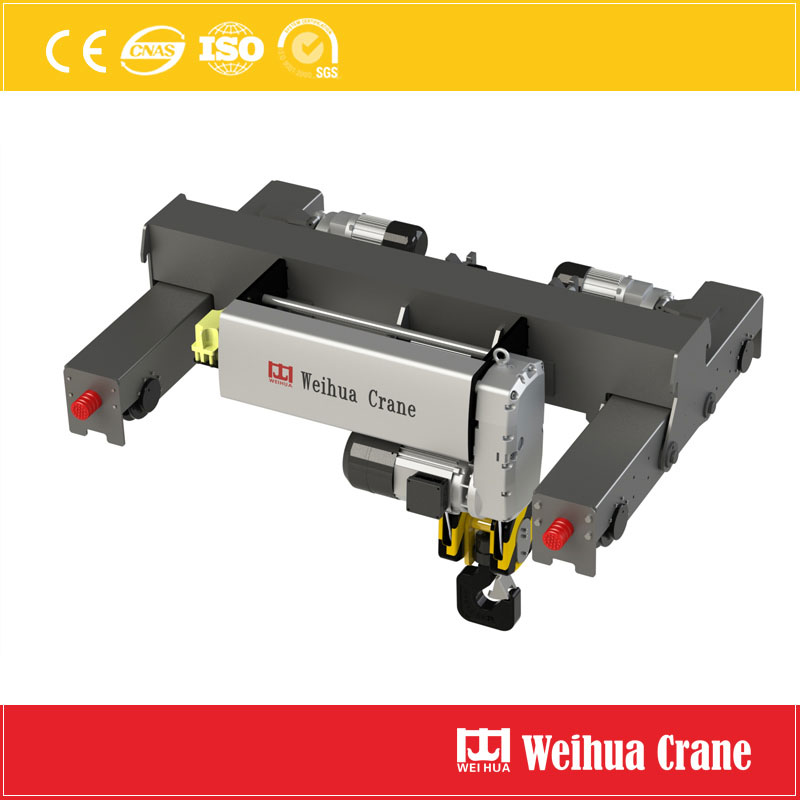
Qu'est-ce que c'est: An electric winch is designed primarily for horizontal pulling (or pulling at an angle), though it can be used for vertical lifting in specific, controlled scenarios (often requiring extra safety measures).
Principales fonctionnalités:
Primary Applications: Récupération de véhicule (off-road trucks, VTT, boats), applications marines (anchor retrieval, amarrage), pulling loads horizontally (logs, équipement, trailers), dragging loads across surfaces, tensioning lines.
Avantages:
Inconvénients:
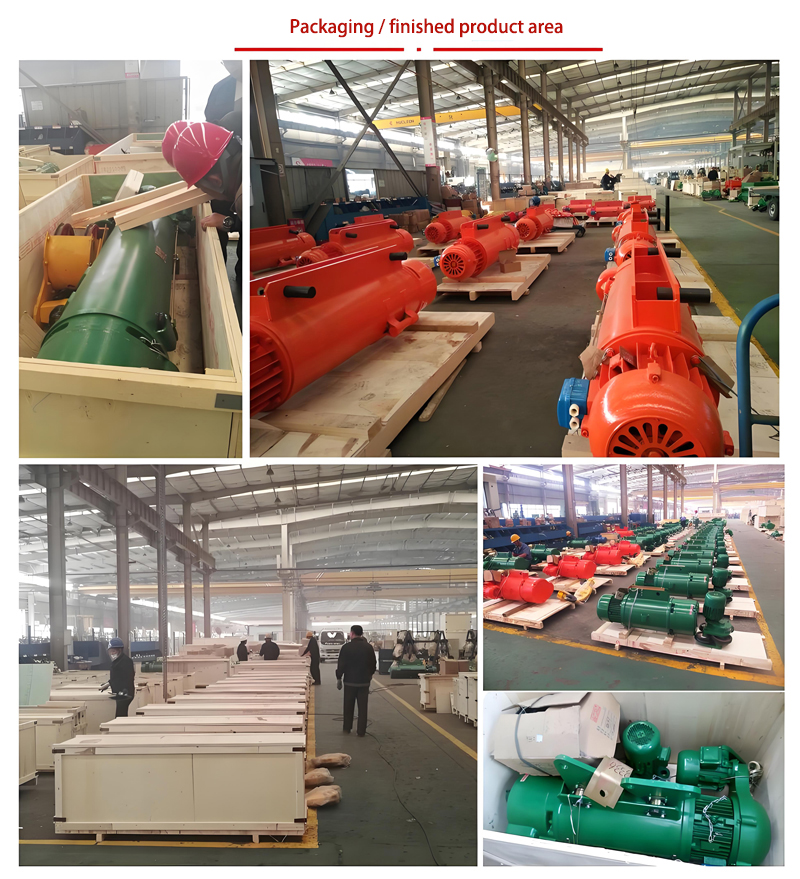
| Fonctionnalité | Palan électrique | Treuil électrique |
| Primary Use | Vertical Lifting | Horizontal Pulling |
| Key Strength | Précision, Safety in Lifting | Raw Pulling Power |
| Freinage | Automatic, Failsafe Load Brake | Motor Brake / Ratchet (Less Secure) |
| Load Control | High Precision | Basic In/Out |
| Montage | Overhead Structure (poutre en I, Portique) | Vehicle, Trailer, Ground Anchor |
| Cable/Rope | Load Chain or Wire Rope | Primarily Wire Rope |
| Drum | Narrower (for single layer) | Wider (for multi-layer spooling) |
| Cycle de service | Defined (AMC, FEM, etc.) | Less Standardized |
| Portabilité | Inférieur (Often Fixed) | Plus haut (Often Vehicle-Mounted) |
| Safety Std. | Rigorous (ASME B30.16, etc.) | Less Rigorous (Often ANSI/SAE J706) |
| Idéal pour | Moteurs de levage, machinerie, materials overhead | Récupération de véhicule, dragging logs, pulling boats, tensioning |
Don’t be fooled by the superficial similarity of a motor winding cable. Electric hoists and winches are specialized tools for fundamentally different tasks. The electric hoist is the safe, precise champion of vertical lifting. The electric winch is the powerful workhorse for horizontal pulling and recovery.
Priorisez toujours la sécurité. Using a winch for overhead lifting without proper safeguards is asking for a catastrophic failure. Conversely, using a hoist for heavy horizontal dragging is inefficient and can damage it. Understand your primary need (lift vs. pull), consider the mounting requirements, and above all, respect the critical safety differences, especially regarding braking. Choose the right tool for the job, and operate it within its designed limits.
Nous apprécions vos commentaires! Veuillez remplir le formulaire ci-dessous afin que nous puissions adapter nos services à vos besoins spécifiques.
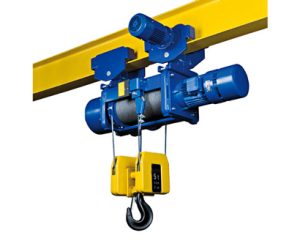
Le palan électrique à chaîne à faible hauteur libre WeiHua est conçu spécifiquement pour les applications où……
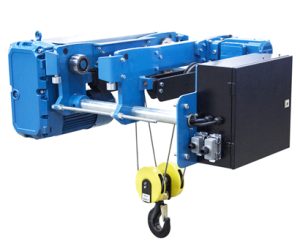
Dans les entrepôts, usines, et lignes d'assemblage dans le monde entier, le temps est la monnaie ultime. T……
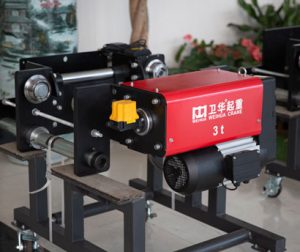
Dans le rythme rapide, environnement exigeant d'un entrepôt moderne, efficacité, sécurité, et ……

Le module d'entraînement à fréquence variable du noyau de palan électrique à vitesse variable utilise Infineon IGB……

