
Menu navigasi

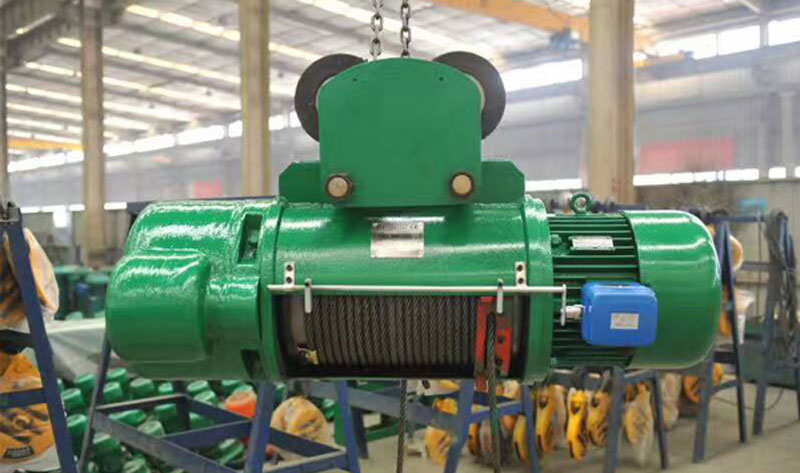
Dalam dunia penanganan material, lifting heavy loads safely and efficiently is a top priority. Two of the most common tools for this task are the trusty manual hoist and the powerful electric hoist. But when it comes to choosing between them, the decision isn't always black and white. Each has its own set of advantages, ideal applications, and limitations.
Obrolan onlineMemahami perbedaan utama antara kerekan manual dan kerekan listrik sangat penting dalam memilih alat yang tepat untuk proyek Anda, memastikan keselamatan dan produktivitas. Let’s break them down.
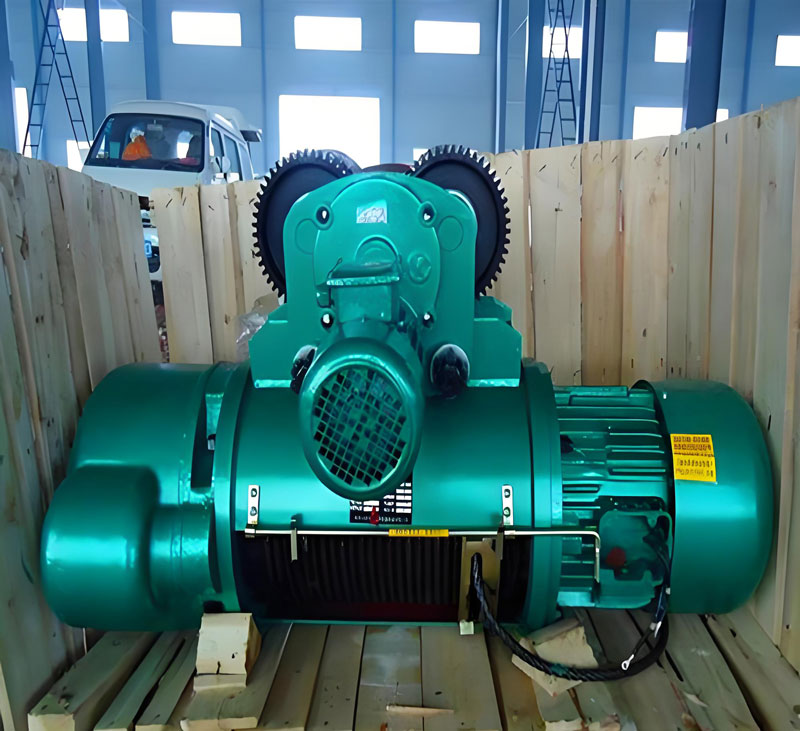
A manual hoist, often referred to as a chain block or lever hoist, relies on human power to operate. The user pulls a chain (kerekan rantai) or pumps a lever (lever hoist) to lift, lebih rendah, or pull a load.
1. Occasional or infrequent use
2. Lower capacity loads (though they come in high capacities too)
3. Applications where precise control is critical (MISALNYA., jalur perakitan, maintenance)
4. Remote locations or sites with no reliable power source
5. Users with a limited budget
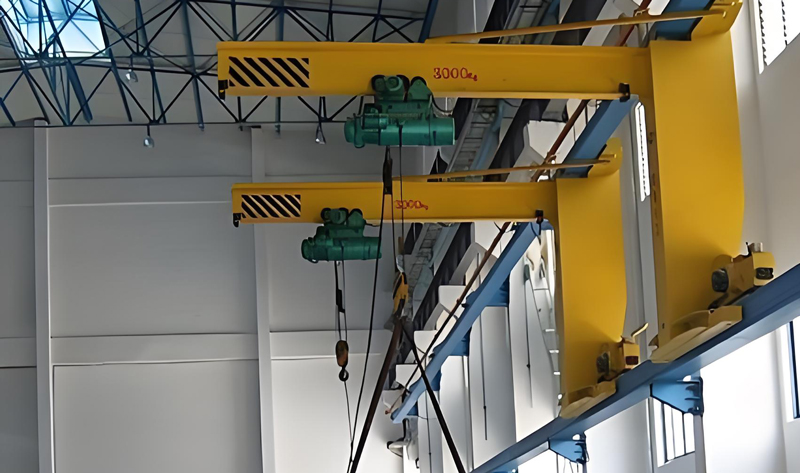
An electric hoist uses an integrated electric motor to lift and lower loads, typically operated via a pendant control button.
1. Frequent, repetitive lifting
2. Heavy and bulky loads
3. High-production environments (MISALNYA., manufaktur, gudang)
4. Applications where speed is a priority
5. Situations where operator fatigue is a concern
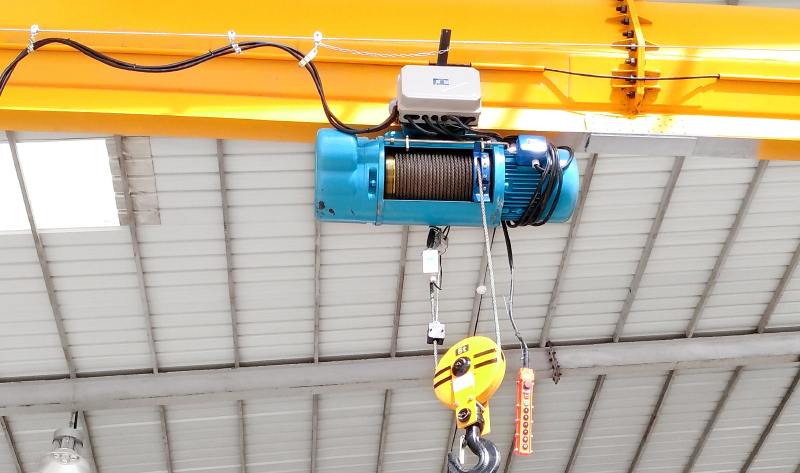
| Fitur | Manual Hoist | Hoist listrik |
| Sumber Daya | Human Power | Electricity (110V/240V, 3-Fase) |
| Kecepatan pengangkat | Slow (dependent on the operator) | Fast (consistent motorized speed) |
| Initial Cost | Low | High |
| Operating Cost | Effort | Electricity + Pemeliharaan |
| Kontrol presisi | Excellent | Good (requires skilled operator for fine control) |
| Siklus tugas | Low to Medium | High to Continuous |
| Portabilitas | High (lightweight, no cords) | Low (heavier, requires power source) |
| Pemeliharaan | Sederhana, mekanis | More complex, electrical components |
| Best Use Case | Occasional, precise, or remote lifts | Frequent, high-volume, production lifts |
The choice between manual and electric isn’t about which is “better,” but which is better for your specific needs.
| Choose a Manual Hoist | Pilih Kerekan Listrik |
| You lift loads infrequently | You are lifting loads multiple times a day |
| Your work is in a remote location with no power | Speed and productivity are critical to your operation |
| Precision is more important than speed | You need to lift very heavy loads consistently |
| Your budget is constrained | You want to reduce physical strain on your workforce |
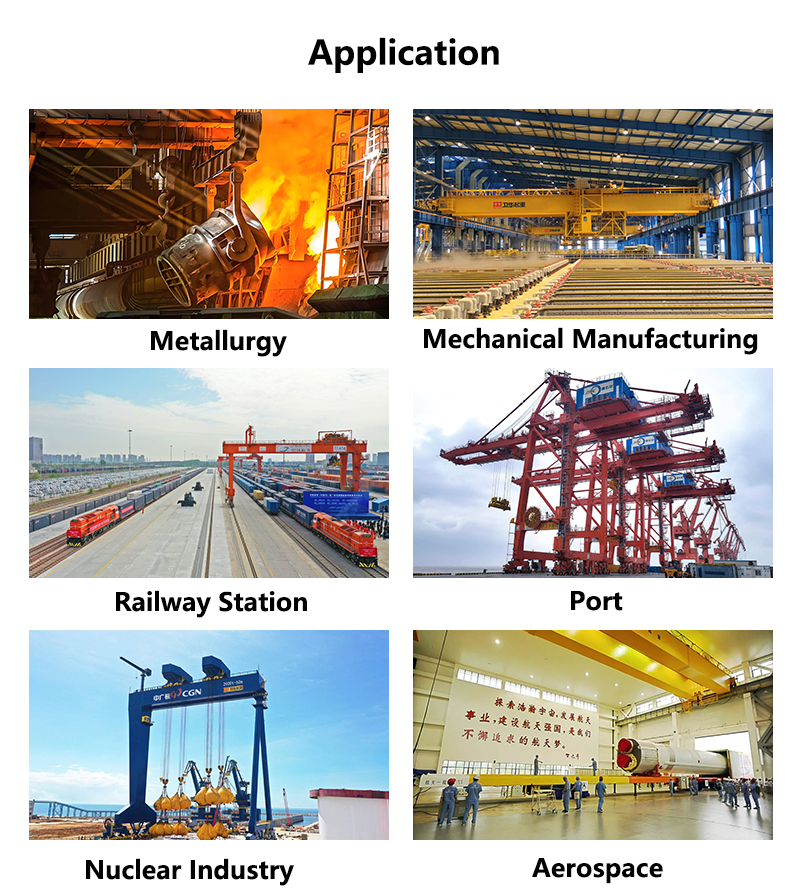
Think of it like choosing between a manual and an automatic car. The manual gives you more control and is simpler, while the automatic offers ease of use and efficiency for everyday driving.
Before you buy, carefully assess your requirements:
1. How often will you use it?
2. What is your average load weight?
3. Do you have a reliable power source?
4. What is your budget, both for purchase and long-term maintenance?
By answering these questions, you’ll be well-equipped to make an informed decision. Whether you go with the rugged reliability of a manual hoist or the powerful efficiency of an electric model, prioritizing safety and proper training for all operators is always the most important step.
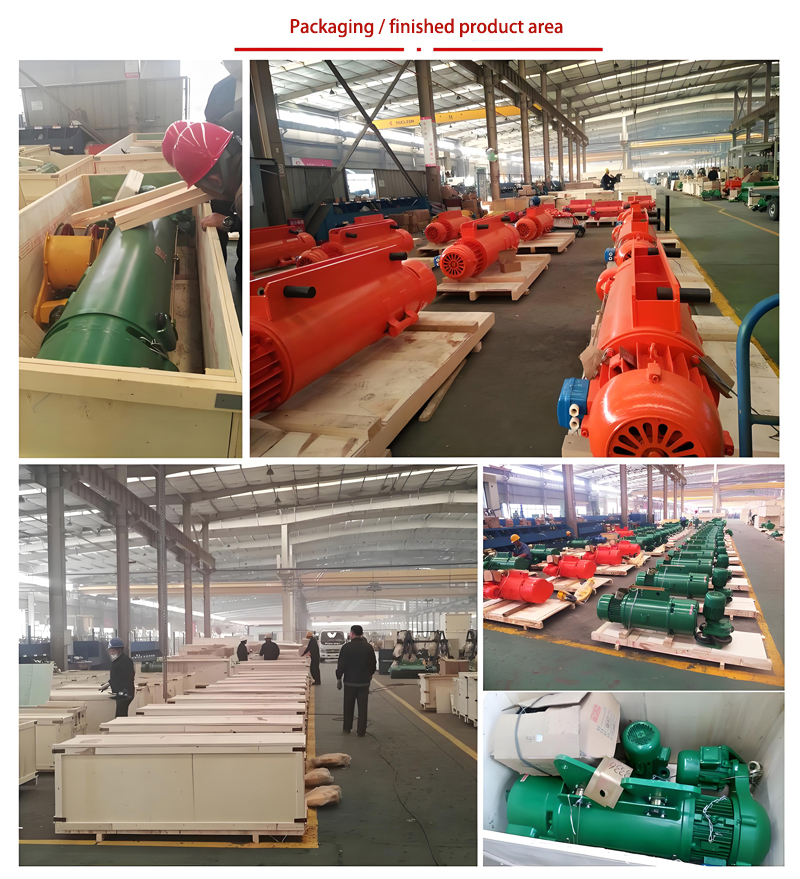
Q1: Which is cheaper, a manual or electric hoist?
A: A manual hoist has a much lower initial purchase price. Namun, if you consider long-term operational efficiency for high-use applications, an electric hoist can be more cost-effective by saving significant labor time and reducing operator fatigue.
Q2: Can I use an electric hoist outdoors?
A: You can, but with important considerations. You need a reliable power source, which often requires a generator. You must also ensure the hoist has an appropriate IP (Perlindungan Masuknya) peringkat (MISALNYA., IP54 or higher) to protect it from dust and water. A manual hoist is often simpler for truly remote or wet outdoor conditions.
Q3: Which type of hoist gives me more control for precise positioning?
A: Umumnya, a manual hoist provides superior precision control. The operator feels the load directly and can make minute adjustments by hand, making it ideal for fitting parts together or working in tight spaces.
Q4: How do I decide between a chain hoist and a lever hoist (both manual)?
A:
Kami menghargai tanggapan Anda! Harap lengkapi formulir di bawah ini sehingga kami dapat menyesuaikan layanan kami dengan kebutuhan spesifik Anda.
Mengapa Memilih Kerekan Listrik Weihua untuk Pelepasan Mesin? Kerekan mesin tradisional (ceri……
In the fast-paced, menuntut lingkungan gudang modern, efisiensi, keamanan, Dan ……
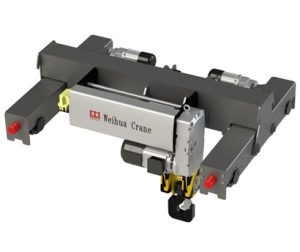
Kerekan listrik tradisional memerlukan ruang kepala yang signifikan di antara bagian tertinggi pengait……
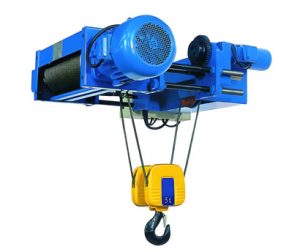
Fitur Utama Hoist Listrik Tugas Berat ✅ Kapasitas pengangkatan tinggi:Weihua Heavy Duty Electri ……

