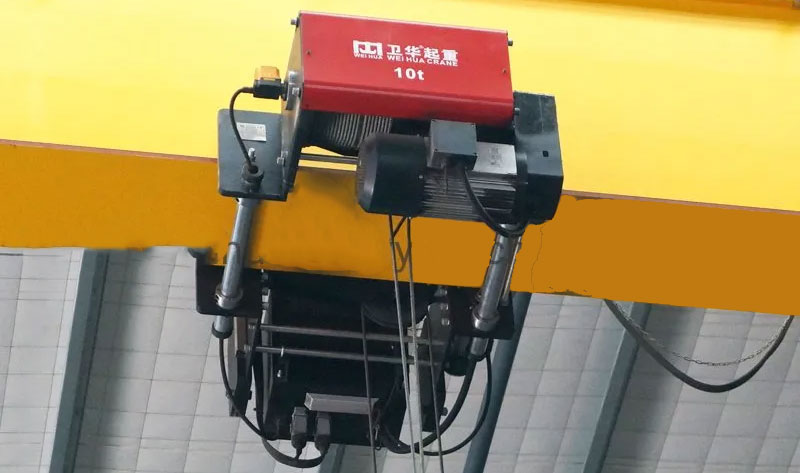
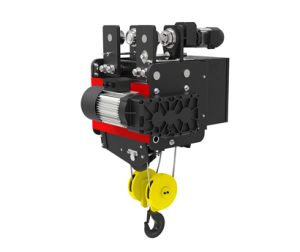
電動ホイストは重量物を持ち上げるための重要な機器です. 他の複雑な電気機械デバイスと同様に, 単純な操作ミスから重大な機械的故障まで、さまざまな問題が発生する可能性があります。. 一般的な問題のトラブルシューティングを学ぶことで、貴重な時間とお金を節約できます, 安全な作業環境を確保しながら. このガイドでは、最も頻繁に発生する電気ホイストの故障を診断して解決する手順を説明します。.
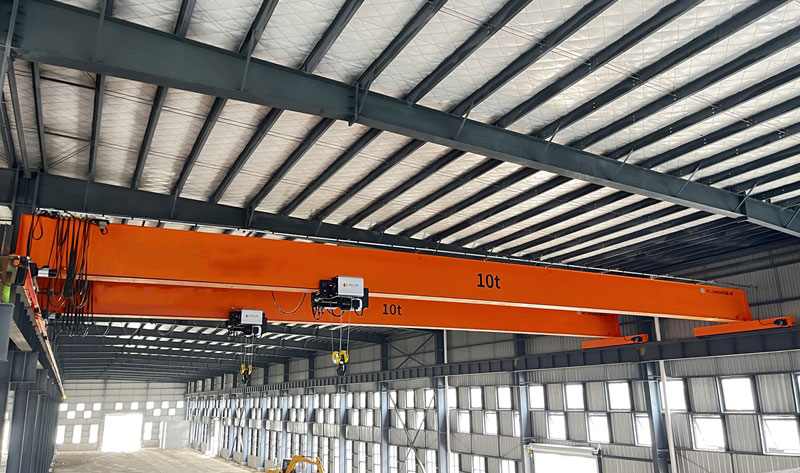
重要な予防措置
トラブルシューティングを開始する前に:
- 1. 電源を切断する: ホイストは常に電源から隔離してください. 回路をロックアウトおよびタグアウトして、偶発的な再通電を防止します.
- 2. 無負荷テスト: 負荷がかかっているホイストのトラブルシューティングは絶対に行わないでください. 検査前に荷物を安全な場所に降ろしてください.
- 3. 個人用保護具 (PPE): 適切な安全具を着用してください, 手袋と安全メガネを含む.
- 4. 自分の限界を知る: 問題が主要な電気コンポーネントに関係している場合, 構造的完全性, またはブレーキシステム, 資格のある技術者に相談してください. あなたの安全が最優先です.
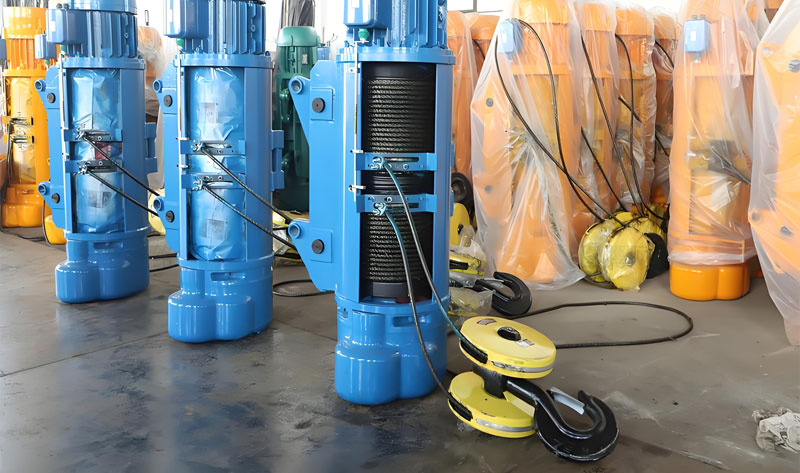
電気ホイストの一般的な問題と解決策
これは、ホイストの一般的な問題を診断して修正するための体系化されたガイドです.
1. ホイストがまったく作動しない
症状:
-
どちらの方向にも動きません (上か下か).
-
モーターやコンタクターから音がしない.
考えられる原因 & ソリューション:
- 1. 電源の問題: これが最も一般的な原因です.
- チェック: メイン切断がオンになっていることを確認してください. ホイストが正しく接続されていることを確認してください (該当する場合). 電圧計を使ってコンセントまたはサーキットブレーカーをテストする.
- 解決: 落ちたブレーカーをリセットするか、切れたヒューズを交換します. 電源コードが損傷していないことを確認してください.
- 2. オープン/リミットスイッチが作動中:
- チェック: ほとんどのホイストには非常停止スイッチまたはマスター スイッチがあり、「オフ」位置になっている可能性があります。. また, 上限スイッチが作動した可能性があります, 切断力.
- 解決: すべてのスイッチが「オン」またはリセット位置にあることを確認します。. リミットスイッチを手動でリセットする (具体的な手順については、ホイストのマニュアルを参照してください。).
- 3. ペンダントコントロールの故障:
- チェック: ペンダントコードに切れ目がないか点検します, ひび割れ, または損傷. ボタンが固着しているか故障している可能性があります.
- 解決: 資格のある電気技師にペンダントの導通テストを依頼してください. 必要に応じてペンダントを交換してください.
2. ホイストは一方向のみに動作します
症状:
考えられる原因 & ソリューション:
- 1. コントロールボタンの故障:
- チェック: ペンダントの非動作方向のボタンが破損しているか、ワイヤーが切れている可能性があります。.
- 解決: ペンダントコントロールをテストする. 多くの場合、ボタンまたはペンダント全体の交換が必要になります。.
- 2. コンタクタの固着または故障:
- チェック: 接触者 (頑丈なリレー) 一方向が失敗した可能性があるため, 焼けた接点, またはコイルの欠陥.
- 解決: これには、資格のある技術者が故障したコンタクタを診断して交換する必要があります。.
- 3. リミットスイッチの問題 (引き上げ方向に):
- チェック: 上限リミットスイッチが故障してリセットされない可能性があります, ホイストがそれ以上上昇しないようにする, 限界じゃなくても.
- 解決: 検査する, テスト, リミットスイッチをリセットまたは交換します.
3. モーターがうなり音を立てるが動かない
症状:
考えられる原因 & ソリューション:
- 1. 低電圧:
- チェック: 電圧計を使用してホイストの接続点の電圧を確認します. 以内である必要があります 10% 定格電圧の.
- 解決: 電源の問題を修正する. 低電圧はモーターに重大な損傷を与える可能性があります.
- 2. 欠相 (三相ホイスト用):
- チェック: ヒューズが飛んだり、ワイヤが切れたりすると、1 つの相が失われる可能性があります。.
- 解決: 技術者はすべてのヒューズと電源の配線をチェックする必要があります.
- 3. 機械的な詰まりまたは過負荷:
- チェック: 荷重がホイストの能力を超えている可能性があります, または内部メカニズム (歯車, ベアリング) 押収されるかもしれない.
- 解決: すぐに電源を切ります. 積み荷や障害物が詰まっていないか確認してください. 無理にホイストを動かさないでください. 機構が固着した場合, 専門的な修理が必要です.
4. 荷重がかかるとホイストがもがいたり、動作が遅くなる
症状:
考えられる原因 & ソリューション:
- 1. 低電圧:
- チェック: 上記の通り, 低電圧はパフォーマンス低下の一般的な原因です.
- 解決: 適切な電圧供給を確保する.
- 2. 過負荷:
- チェック: 荷物がホイストにとって重すぎる可能性があります.
- 解決: ホイストに過負荷をかけないでください. 荷物の重量をチェックし、ホイストの定格容量内であることを確認してください。. 過負荷は非常に危険であり、致命的な故障を引き起こす可能性があります。.
- 3. モーターの磨耗またはブレーキの引きずり:
- チェック: 内部モーターの問題またはブレーキが完全に解放されていないと、過剰な抗力が発生する可能性があります.
- 解決: 技術者による検査と修理が必要です.
5. 動作中の過度の騒音
症状:
考えられる原因 & ソリューション:
- 1. 潤滑不足:
- チェック: ギアと機械的ジョイントが乾燥している可能性があります.
- 解決: 正しい潤滑ポイントと潤滑剤の種類については、メーカーのマニュアルを参照してください。. 過剰に潤滑しないでください.
- 2. 摩耗または損傷したギア/ベアリング:
- チェック: 内部の機械部品は時間の経過とともに摩耗します.
- 解決: これらのコンポーネントは専門家に交換してもらう必要があります.
- 3. 部品または取り付けの緩み:
- チェック: システム全体を検査する, マウントも含めて, フック, そして警備員, ボルトや部品の緩みに.
- 解決: すべての留め具をメーカー指定のトルクで締めます.
いつ専門家に電話するべきか
基本的なチェックは問題ありませんが、, 特定の問題には専門家の注意が必要です:
予防保守が鍵
最善のトラブルシューティングは問題を完全に回避することです. 定期的な予防保守スケジュールを確立する:
- 1. 目視検査: ボルトの緩みがないか毎日確認してください, 破損したフック, 磨耗したチェーン, そしてコードの損傷.
- 2. 機能テスト: 毎日無負荷状態でホイストをテストします, 全方向とリミットスイッチのチェック.
- 3. 定期的な給油: メーカーのスケジュールに従って注油してください.
- 4. 専門的な検査: 認定技術者に年次検査を実施してもらいます.
この電気ホイストのトラブルシューティング ガイドを使用することで、, よくある問題に自信を持って対処できる, より安全な作業空間を維持する, 業務をスムーズに進めることができます. 覚えて: 疑問があるとき, 常に注意を怠り、資格のある専門家に相談してください.