
탐색 메뉴

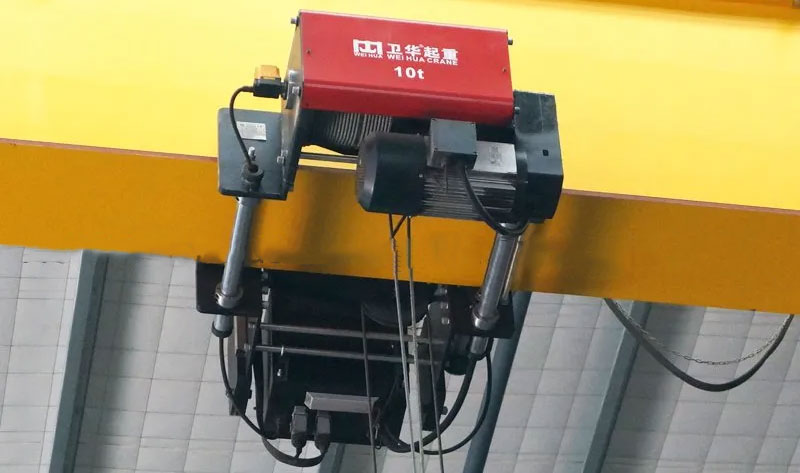
Electric hoists are essential tools in material handling across various industries, including manufacturing, 건설, and warehousing. As lifting equipment often deals with heavy loads, one critical feature that ensures safety and equipment longevity is overload protection. This blog explores the importance, types, and working principles of electric hoist overload protection systems.
온라인 채팅Overload protection is a safety mechanism integrated into 전기 호이스트 to prevent the lifting of loads that exceed the hoist’s rated capacity. Exceeding the safe working load can cause mechanical failure, equipment damage, or serious workplace injuries. Therefore, overload protection plays a crucial role in maintaining safe and efficient operations.
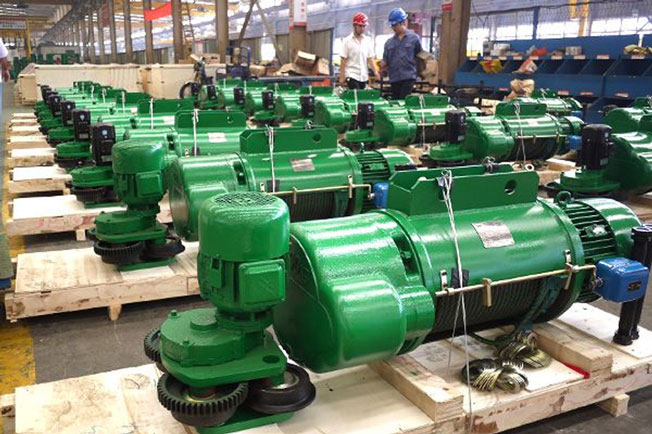
2. Equipment Longevity
Continuous operation under excessive loads strains motors, 기어, 및 구조적 구성 요소. Overload protection prevents such stress, extending the hoist’s operational life.
3. Compliance with Regulations
Safety standards like OSHA, ISO, and ASME require lifting equipment to have reliable safety mechanisms, including overload protection. Compliance helps avoid legal issues and ensures workplace safety.
4. 비용 절감
Avoiding damage to hoists and loads through overload protection reduces maintenance costs, 중단 시간, and the risk of replacing damaged equipment.
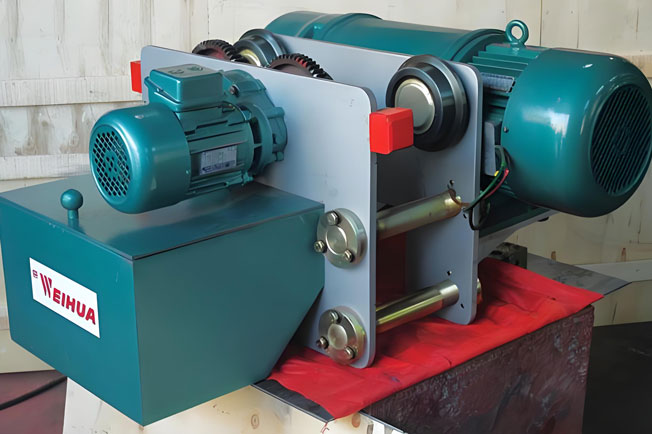
1. Mechanical Overload Protection
Slip Clutch: When the load exceeds the rated capacity, the clutch slips to prevent the motor from applying further lifting force.
Shear Pin: A mechanical pin breaks under excessive load to stop hoist operation, protecting other components.
2. Electrical Overload Protection
Current Sensing Relay: Monitors the electrical current. If the current exceeds a preset limit (indicative of overload), the relay shuts down the motor.
Load Cells with Limit Switches: Electronic load sensors monitor the load weight and trigger a shutdown if it exceeds the threshold.
3. Electronic/Smart Overload Protection
Advanced hoists use programmable logic controllers (PLC) and digital load monitoring systems to detect and respond to overload conditions in real time, often displaying warnings on control panels.
Here’s a typical operational flow:
1. Load Detection: A sensor or mechanical component detects the weight on the hook.
2. Monitoring: The system compares the load to the preset safe limit.
3. Trigger Mechanism: If the load exceeds the limit, a relay or mechanical device is triggered.
4. Shutdown: The hoist motor is stopped or disengaged to prevent damage.
5. Alarm (선택 과목): Some systems trigger a visual or audible alarm to alert the operator.
Never rely solely on overload protection: Always know your load weight before lifting.
Regular Inspection: Ensure the overload protection system is tested and calibrated regularly.
Train Operators: Educate personnel on load limits and proper hoist use.
Use Certified Equipment: Ensure your hoist meets industry standards for overload protection.
Electric hoist overload protection is not just a feature—it’s a necessity. It safeguards lives, protects equipment, and ensures compliance with safety regulations. Whether you’re operating a small workshop hoist or a large industrial lifting system, investing in a hoist with reliable overload protection is critical for smooth, safe operations.
우리는 귀하의 의견을 소중히 여깁니다! 귀하의 특정 요구에 맞게 서비스를 조정할 수 있도록 아래 양식을 작성하십시오..
엔진 제거를 위해 Weihua Electric Hoist를 선택하는 이유는 무엇입니까?? 전통적인 엔진 호이스트 (벚나무……
빠른 속도로, 현대 창고의 까다로운 환경, 능률, 안전, 그리고 ……

전기 호이스트 방폭 하우징, 정밀 전기 부품, 그리고 고급 리…
8 톤 전기 체인 호이스트 주요 특징 & 이익 1. 대용량 리프팅: 트…

