
탐색 메뉴

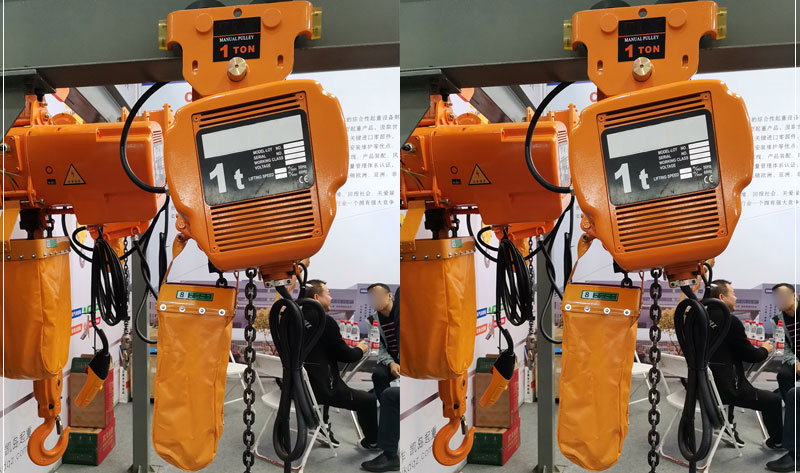
Manual hoists are versatile and essential tools for lifting heavy loads in various industries, from construction to warehouse operations. Unlike electric or pneumatic hoists, manual hoists are powered by hand-operated mechanisms, making them a reliable and cost-effective solution for lifting in areas with limited power supply. But, before you start lifting, you need to install it properly to ensure safety and functionality.
온라인 채팅Here’s a step-by-step guide on how to hang a manual hoist correctly:
Before installing your manual hoist, ensure that the location is ideal for the job at hand. The mounting surface should be sturdy and capable of bearing the weight of the hoist and the load it will lift. Ideally, it should be positioned above the area where the load will be lifted and lowered.
Ceiling Height: Ensure the ceiling height is sufficient to provide enough clearance for lifting the load.
Structural Integrity: The structure, whether it’s a beam, ceiling, or overhead frame, must be capable of handling the load’s weight. Use a load calculator to determine the required strength of the mounting surface.
Safety Considerations: Choose a location that allows you to operate the hoist safely, avoiding any obstructions or hazards.
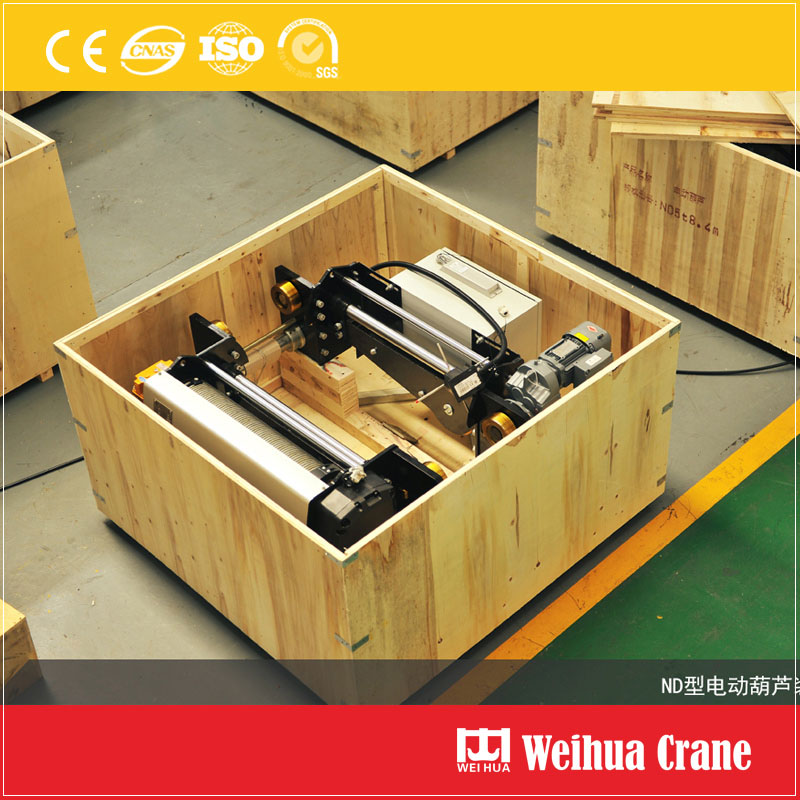
To hang a manual hoist, you will need a few basic tools:
Wrenches or spanners
Hoist mounting brackets (if required)
Eye bolts or hooks (depending on the hoist’s design)
Mounting hardware (볼트, nuts, 와셔)
Once you’ve chosen the mounting location, follow these steps:
Check the Manual: Review the manufacturer’s installation instructions that came with the hoist to ensure compatibility with your setup.
Install Mounting Brackets or Hooks: If the hoist requires a bracket, install it securely on the support beam. For hook-based installations, attach the hoist hook or eye bolt to the overhead structure.
Use Proper Fasteners: Use heavy-duty bolts or eye bolts designed to hold the weight of the hoist and load. Tighten them using the appropriate tools to ensure they are securely fastened.
It’s important that the hoist is level during installation to prevent uneven lifting. Use a spirit level to check the alignment of the hoist before securing all bolts and fasteners completely.
Alignment: Ensure the hoist is perfectly aligned with the vertical lifting direction to prevent lateral movement during operation.
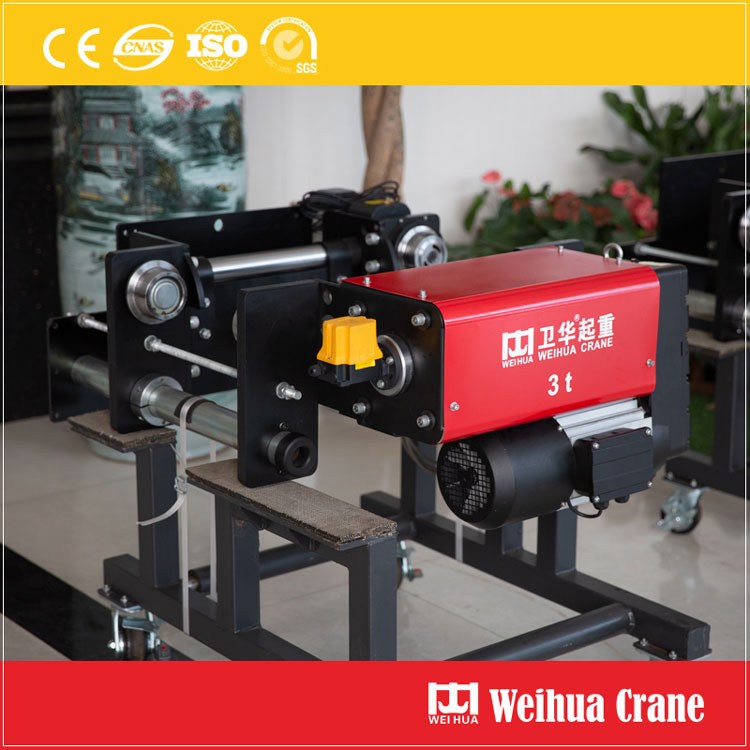
Once the hoist is securely attached, perform a test lift to ensure that everything is functioning correctly.
Check for Smooth Operation: Pull the hand chain or rope to test the lifting mechanism. Ensure the gears or pulleys engage smoothly without any jamming or resistance.
Load Test: If possible, test the hoist with a light load before using it with heavier materials. This helps to confirm that the hoist is mounted properly and is operating correctly.
To ensure long-lasting performance and safety, it’s important to inspect your manual hoist regularly:
Lubrication: Apply the recommended lubricant to the hoist’s moving parts to prevent rust and ensure smooth operation.
Check for Wear and Tear: Examine the hoist’s chain, 후크, and ropes for signs of wear. Replace any damaged parts immediately.
Safety Checks: Make sure that the mounting bolts and fasteners remain tight, and that the hoist operates correctly with every use.
Hanging a manual hoist is a straightforward process, but it requires careful attention to safety and precision. By following these steps, you can ensure that your hoist is installed securely and operates smoothly, allowing you to lift heavy loads efficiently. Always remember to check the hoist regularly and perform maintenance to keep it in optimal working condition.
With the right setup and proper care, your manual hoist will serve you reliably for years to come.
우리는 귀하의 의견을 소중히 여깁니다! 귀하의 특정 요구에 맞게 서비스를 조정할 수 있도록 아래 양식을 작성하십시오..
빠른 속도로, 현대 창고의 까다로운 환경, 능률, 안전, 그리고 ……
Milwaukee Electric Chain Hoist는 산업 응용 요구를 요구하도록 설계되었습니다., ……
와이하, 중국의 주요 크레인 및 호이스트 제조업체, 전기 호이스트 스페셜 ……
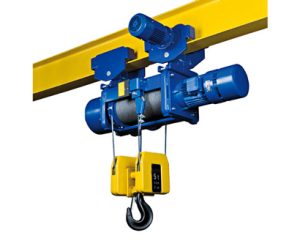
WeiHua 로우 헤드룸 전기 체인 호이스트는 다음과 같은 용도로 특별히 설계되었습니다.

