
Menu nawigacyjne

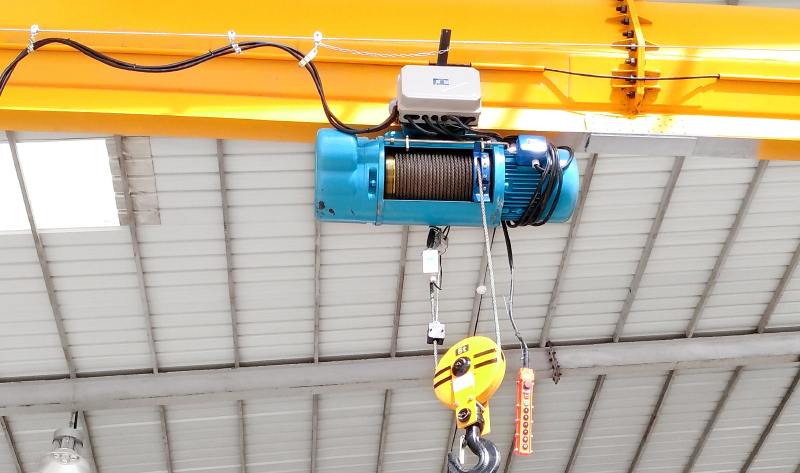
Wciągnik elektryczny to maszyna do podnoszenia, ale jego prawdziwy potencjał – i bezpieczeństwo – zależy całkowicie od tego, jak i gdzie go zamontujesz. Wybór odpowiedniego rozwiązania montażowego to nie tylko wygoda; chodzi o integralność strukturalną, efektywność operacyjna, i zapobieganie niebezpiecznym wypadkom. Przyjrzyjmy się niektórym z najpopularniejszych i najskuteczniejszych pomysłów na montaż wciągnika elektrycznego:
Czat onlinePomysł: Bezpośrednie mocowanie elektrycznego wózka podnośnikowego do wytrzymałej stalowej belki dwuteowej lub belki dwuteowej o konstrukcji stalowej biegnącej wzdłuż żądanej ścieżki podnoszenia.
Plusy:
Wady:
Wymaga odpowiednich istniejących belek lub znacznych modyfikacji/montażu konstrukcyjnego.
Stała lokalizacja; przesuw wciągnika jest ograniczony do drogi belki.
Kluczowe rozważania:
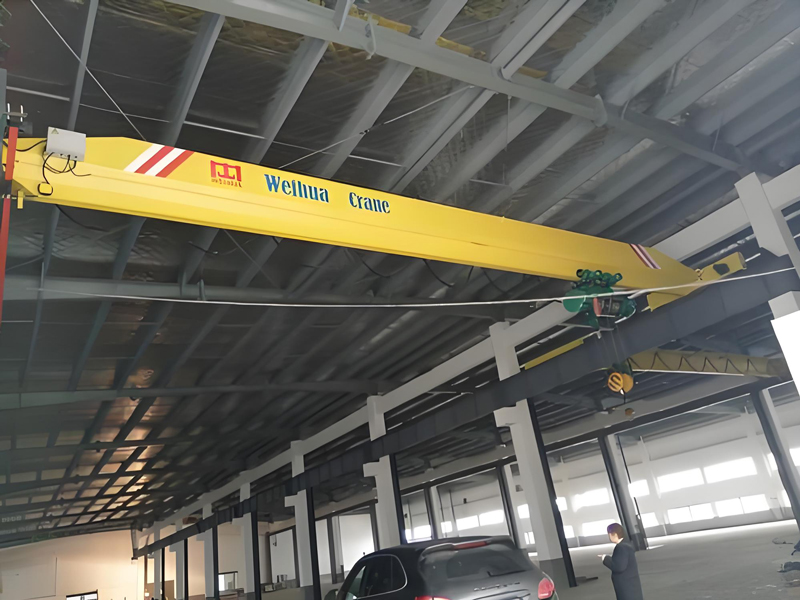
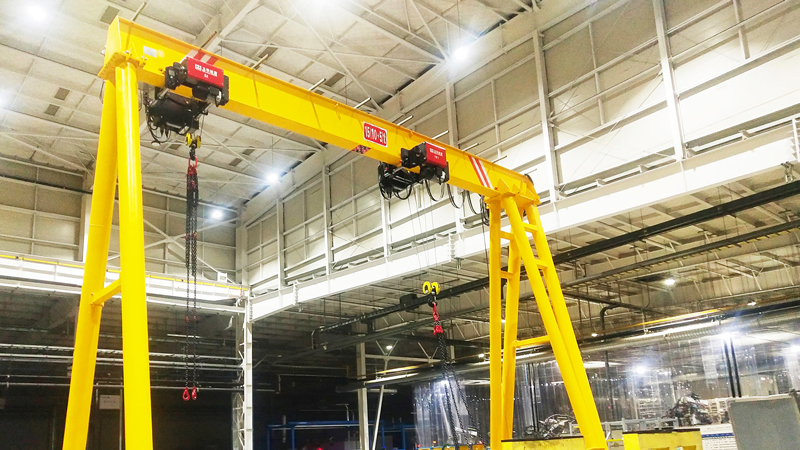
Pomysł: Montaż wciągnika na wózku poruszającym się po belce wspartej dwoma wolnostojącymi, nogi z regulowaną wysokością (Ramki A) na kółkach lub stałych podstawach.
Plusy:
Wady:
Wymaga wystarczającej powierzchni podłogowej dla podstawy i stabilności.
Nośność jest ograniczona wartością znamionową ramy bramowej (mniej niż belka stała).
Podczas podnoszenia koła muszą być bezpiecznie zablokowane.
Kluczowe rozważania:
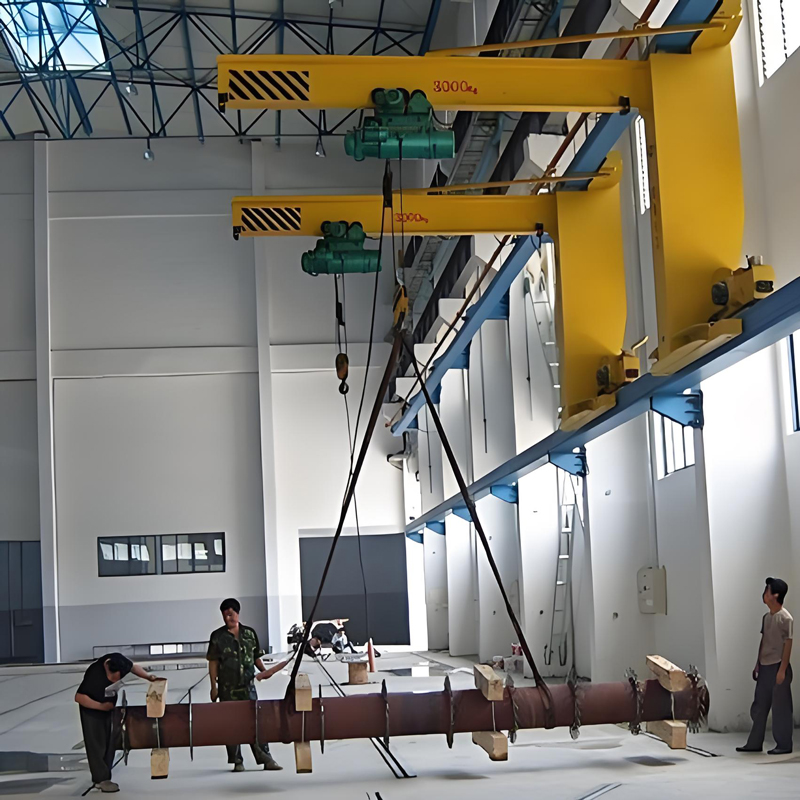
Pomysł: Montaż wysięgnika obrotowego lub stałego (ramię wysięgnika) do solidnej kolumny ściennej lub dedykowanej konstrukcji wsporczej, z wciągnikiem poruszającym się na wózku wzdłuż wysięgnika.
Plusy:
Wady:
Ograniczony obszar zasięgu (definiowane przez długość wysięgnika i kąt obrotu).
Wymaga bardzo mocnej ściany lub dedykowanego fundamentu/filaru.
Może blokować obszar ściany za nim.
Kluczowe rozważania:
Pomysł: Montaż wciągnika na dedykowanej ramie wózka, która sama biegnie wzdłuż belki podwieszanej lub systemu jednoszynowego. Podnośnik może podnosić, a cały zespół można przesuwać w poziomie.
Plusy:
Wady:
Wymaga istniejącego, kompatybilnego systemu torów napowietrznych/kolejowych.
Bardziej złożona konfiguracja.
Wyższy koszt początkowy w przypadku instalacji kolei jednoszynowej.
Kluczowe rozważania:
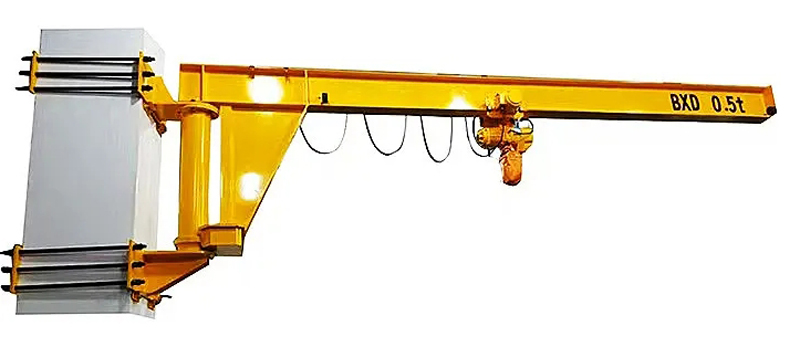
Pomysł: Zbudowanie specjalnie zaprojektowanej ramy stalowej specjalnie do podparcia wciągnika i jego wózka, niezależny od konstrukcji budynku (choć często zakotwiczone w podłodze).
Plusy:
Wady:
Najwyższy koszt i złożoność.
Wymaga profesjonalnego projektu i wykonania.
Zajmuje powierzchnię podłogi.
Kluczowe rozważania:
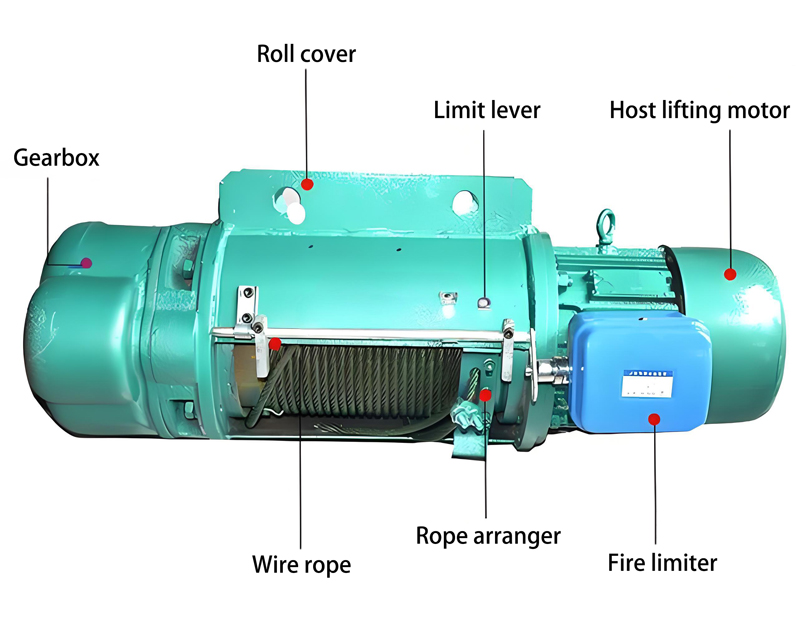
Poznaj swój współczynnik obciążenia: To nie podlega negocjacjom. Cały system mocowania (belka, wózek, śruby, struktura, nogi suwnicy, kotwa ścienna) musi być znamionowo znacznie wyższy niż maksymalny udźwig wciągnika plus jego ciężar własny. Uwzględnij obciążenia dynamiczne (uruchamianie/zatrzymywanie). Zawsze używaj współczynnika bezpieczeństwa (NP., 5:1).
Integralność strukturalna: Nigdy nie zgaduj. W razie wątpliwości co do belek, ściany, lub fundamenty, skonsultuj się z wykwalifikowanym inżynierem budownictwa. Przeciążenie konstrukcji może doprowadzić do katastrofalnej w skutkach awarii.
Oceniony sprzęt: Używaj wyłącznie szekli przystosowanych do podnoszenia, śruby, orzechy, i podkładki. Standardowe śruby sklepowe NIE są wystarczające.
Bezpieczeństwo elektryczne: Zapewnij właściwe uziemienie i ochronę kabli zasilających, szczególnie tam, gdzie występuje ruch (wózki). Postępuj zgodnie z przepisami elektrycznymi.
Luz: Podczas jazdy należy zapewnić odpowiednią przestrzeń nad głową i wolną drogę dla ładunku i wciągnika.
Regularna kontrola: Sprawdź wszystkie punkty mocowania, sprzęt komputerowy, belki, i konstrukcje regularnie ulegają zużyciu, spękanie, odkształcenie, lub korozja.
Najlepsze rozwiązanie montażowe zależy od Ciebie:
Aplikacja: Co podnosisz? Jak często?
Obszar roboczy: Dostępna wysokość sufitu? Powierzchnia podłogi? Istniejące belki/ściany?
Wymagany zasięg: Czy potrzebujesz stałego punktu, podróż liniowa, lub pokrycie obszaru?
Budżet: Od przenośnych suwnic po konstrukcje niestandardowe, koszty znacznie się różnią.
Ładowność: Główny czynnik wpływający na wymagania strukturalne.
Inwestycja czasu i zasobów w wybór i wdrożenie prawidłowego rozwiązania do montażu wciągnika elektrycznego jest sprawą najwyższej wagi. Zapewnia bezpieczeństwo personelu i sprzętu, maksymalizuje wydajność i żywotność wciągnika, i zapewnia niezawodną podstawę do operacji podnoszenia. Nie idź na skróty – stawiaj przede wszystkim na integralność konstrukcji i bezpieczeństwo. Kiedy masz wątpliwości, zasięgnąć profesjonalnej porady inżynierskiej. Podnoś mądrze, podnieść sejf!
Cenimy twoją opinię! Wypełnij poniższy formularz, abyśmy mogli dostosować nasze usługi do twoich konkretnych potrzeb.
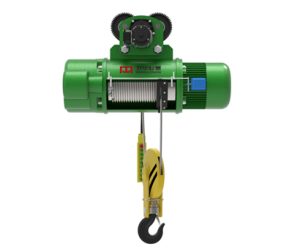
Kluczowe cechy niestandardowego wciągnika elektrycznego Weihua 1. Projekt dostosowany do aplikacji…
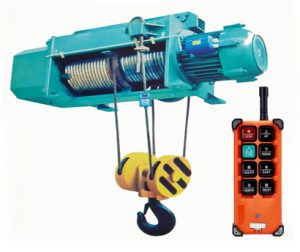
Podstawowe zalety i najważniejsze informacje techniczne Inteligentny bezprzewodowy system zdalnego sterowania L……
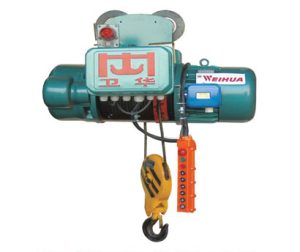
Poszukuję niezawodnego wciągnika elektrycznego do prac warsztatowych? Wciągnik elektryczny Weihua i......
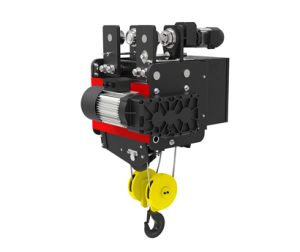
Wciągnik elektryczny VEVOR wyposażony w trwały silnik miedziany i zaawansowane odprowadzanie ciepła ......

