
Menu nawigacyjne

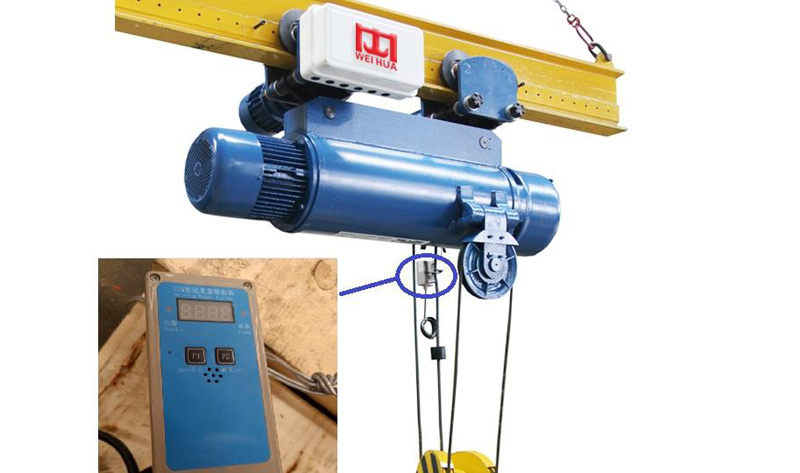
When working with lifting and pulling tasks in industrial, commercial, or even home settings, electric winches and electric hoists are two common tools that often cause confusion. While they may appear similar and sometimes even share components, their purposes, mechanisms, and safety standards differ significantly. Understanding these differences is essential for choosing the right equipment for your application.
Czat onlineWciągarka elektryczna: Jakiś electric winch hoist is primarily designed for pulling heavy loads horizontally. It is commonly used in off-road vehicles, budowy, marine operations, and workshops for dragging or repositioning equipment and materials.
Wciągnik elektryczny: An electric hoist is engineered for lifting and lowering loads vertically. It is typically used in factories, magazyny, and production lines to raise heavy machinery, narzędzia, or pallets safely and efficiently.
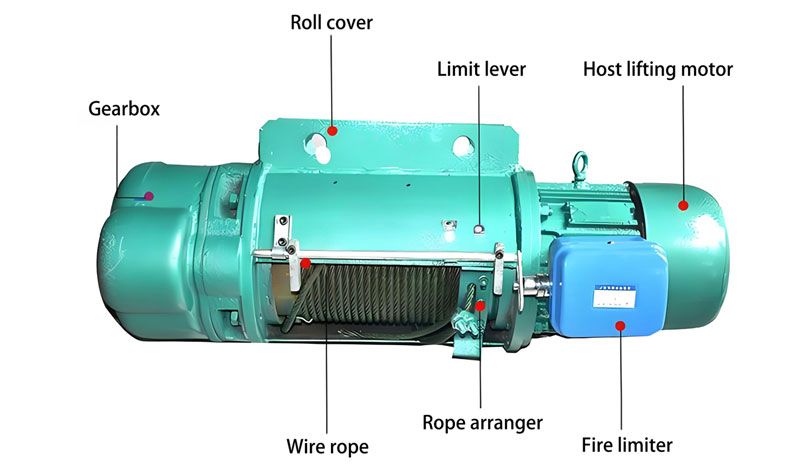
Wciągarka: Best for horizontal movement. Using it for vertical lifting can be dangerous due to lack of braking systems designed for gravity loads.
Hoist: Designed for vertical lifting. Built with robust braking mechanisms to prevent loads from falling.
Electric Winch: Standard winches may not include fail-safe load brakes. They’re not equipped to hold a suspended load in mid-air safely over time, which makes them unsuitable for lifting.
Wciągnik elektryczny: Hoists come with mechanical or electromagnetic brakes that can instantly stop and hold a load in place, even during a power failure—ensuring optimal safety.
Winches often use high-speed motors with planetary gears to maximize pulling power.
Hoists feature motors and gear sets designed to provide precise control and high torque at low speed, ensuring smooth lifting and lowering.
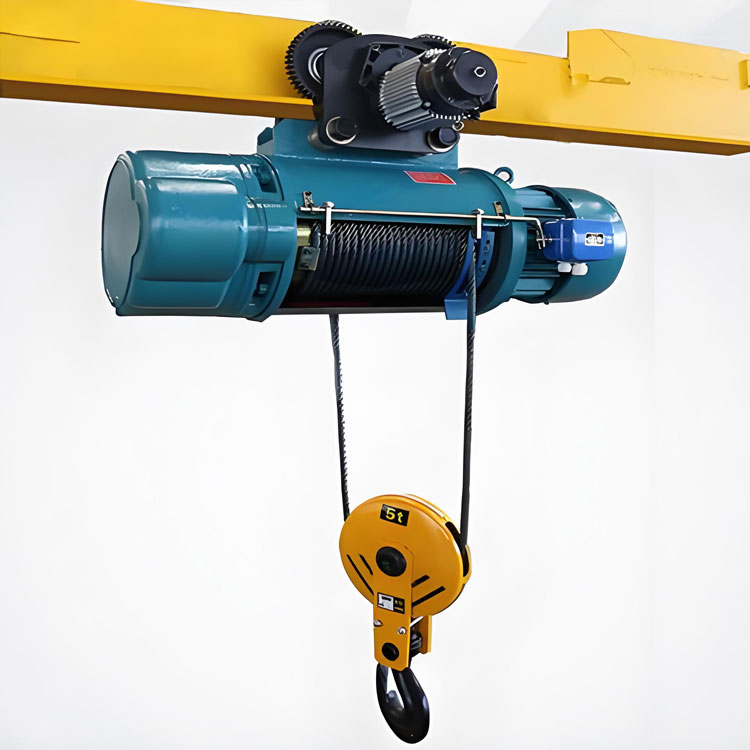
Electric Winches are rated for pulling force, usually measured in pounds (funty) or kilonewtons (kN).
Electric Hoists are rated for lifting capacity, measured in kilograms (kg) or tons, and follow strict compliance with industrial safety standards.
| Aplikacja | Use a Winch | Use a Hoist |
| Dragging a vehicle | √ | × |
| Lifting equipment to a mezzanine | × | √ |
| Repositioning a log on the ground | √ | × |
| Loading heavy machinery onto a truck | × | √ |
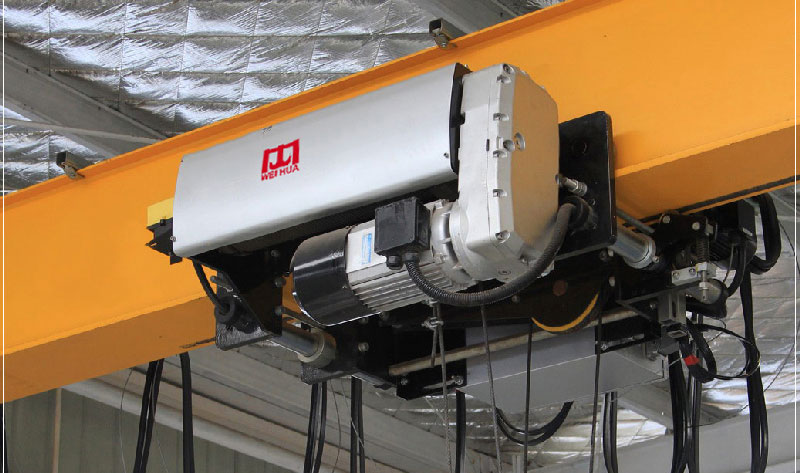
Technically, a winch can sometimes lift light loads vertically, but it is not recommended due to safety concerns. Using a hoist for pulling can also damage the internal components. Always use each device for its intended purpose.
Although electric winches and electric hoists might look similar, their differences are significant in terms of function, bezpieczeństwo, i wydajność. If you need to pull horizontally, go for an electric winch. If you need to lift vertically, always choose an Wciągnik elektryczny. Understanding these distinctions ensures you not only get the job done right—but also safely.
Cenimy twoją opinię! Wypełnij poniższy formularz, abyśmy mogli dostosować nasze usługi do twoich konkretnych potrzeb.
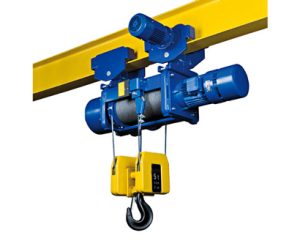
Elektryczny wózek podnośnikowy jest wydajny, bezpieczna, lekki i mały sprzęt dźwigowy. Kom…

Wciągu elektrycznego dźwigów wysięgnika Weihua łączy elastyczność ramię wysięgnika z mocą ……
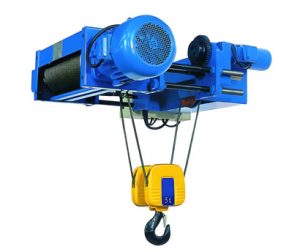
Weihha, wiodącym producentem dźwigów i wciągników w Chinach, oferuje specjalne wciągniki elektryczne......
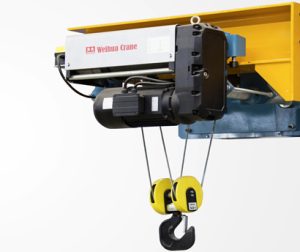
. 3 Elektryczny wciągnik łańcuchowy ton to średniej wielkości sprzęt podnoszący opracowany przez Weihua G......

