
Меню навигации

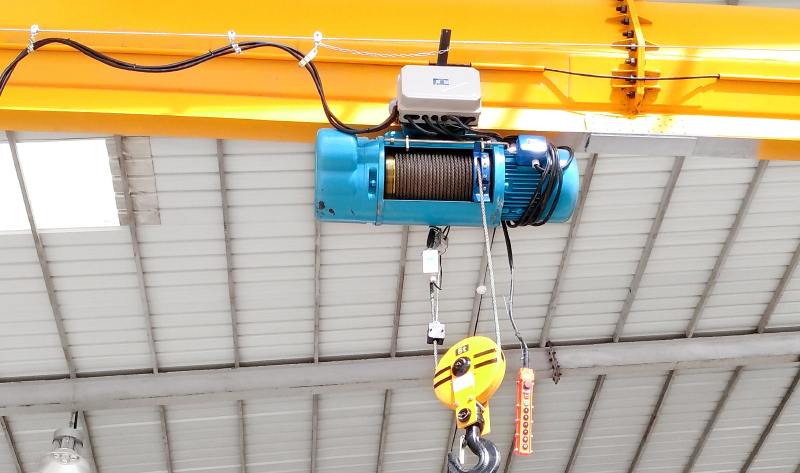
В мире подъема тяжелых грузов, два стойких приверженца часто стоят бок о бок в мастерских, склады, и строительные площадки: Электрическая таль и ручная цепная таль (часто называют просто цепным подъемником или цепным блоком.). Хотя оба служат фундаментальной цели вертикального подъема., их работа, возможности, и идеальные приложения существенно различаются. Неправильный выбор может означать неэффективность, усталость оператора, или даже недостаточная мощность. Давайте разберем ключевые различия.
Онлайн -чат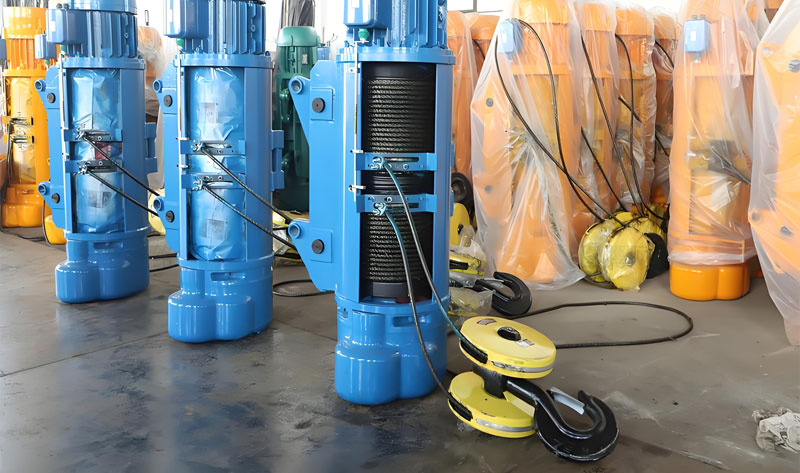
1. Источник питания & Операция:
Электрический подъемник: Работает от электродвигателя. Управление обычно осуществляется с помощью кнопочного подвесного пульта управления. (вверх/вниз) или иногда радиопульт. Требуется надежный источник электроэнергии. (однофазный или трехфазный, в зависимости от модели).
Цепной Подъемник: Работает исключительно за счет человеческих усилий. Оператор тянет ручную цепь в одном направлении, чтобы поднять, и в другом направлении, чтобы опустить груз.. Не требуется электричество.
2. Скорость подъема & Эффективность:
Электрический подъемник: Значительно более высокая скорость подъема и опускания.. Идеально подходит для повторяющихся подъемных задач., объемные операции, или быстрое перемещение грузов на большие расстояния. Значительно повышает производительность.
Цепной Подъемник: Относительно медленная скорость подъема, полностью зависит от силы и выносливости оператора. Лучше всего подходит для периодических подъемов., точное позиционирование, или менее частые задачи. Может вызвать усталость оператора при интенсивном или частом использовании..
3. Подъемная способность:
Электрический подъемник: Доступен в широком диапазоне мощностей, из малотоннажного (НАПРИМЕР., 250 кг / 0.25 тонна) до сверхмощных моделей (50 тонн+). Легко и эффективно справляется с большими объемами.
Цепной Подъемник: Также доступен в широком диапазоне мощностей. (НАПРИМЕР., 500 кг до 20 тонн+обычный). Однако, практическая производительность часто ограничивается способностью оператора эффективно натягивать цепь., особенно вблизи максимальной мощности подъемника. Модели очень высокой производительности требуют огромных усилий..
4. Контроль & Точность:
Электрический подъемник: Обеспечивает хорошее управление с помощью двигателей с регулируемой скоростью. (на многих моделях) для плавного старта/остановки и позиционирования. Легче работать последовательно. Однако, точное «дюймовое» управление может потребовать особых функций.
Цепной Подъемник: Обеспечивает превосходную тактильную обратную связь и очень точный контроль для точного позиционирования. (НАПРИМЕР., монтажное оборудование, выравнивание компонентов). Оператор непосредственно чувствует нагрузку.
5. Установка & Требования:
Электрический подъемник: Требуется правильная электропроводка и часто прочная несущая конструкция. (луч, тележка, портальный) из-за более высоких скоростей и потенциальных динамических сил. Установка, как правило, более сложна и требует квалифицированного персонала..
Цепной Подъемник: Более простая установка. В первую очередь нужна подходящая точка крепления (крюк, тащить) на балке или конструкции. Высокая портативность – легко перемещается в другое место..
6. Соображения стоимости:
Электрический подъемник: Более высокая первоначальная стоимость покупки. Требует постоянных затрат на электроэнергию.. Возможны более высокие затраты на техническое обслуживание из-за двигателя., коробка передач, и электрические компоненты.
Цепной Подъемник: Более низкая первоначальная стоимость покупки. Никаких эксплуатационных затрат на электроэнергию (сверх калорий оператора!). Как правило, более низкие затраты на техническое обслуживание (передачи, подшипники, цепь).
7. Шум & Среда:
Электрический подъемник: Создает шум от двигателя и коробки передач во время работы..
Цепной Подъемник: Работает бесшумно (кроме звуков движения цепи).
8. Функции безопасности:
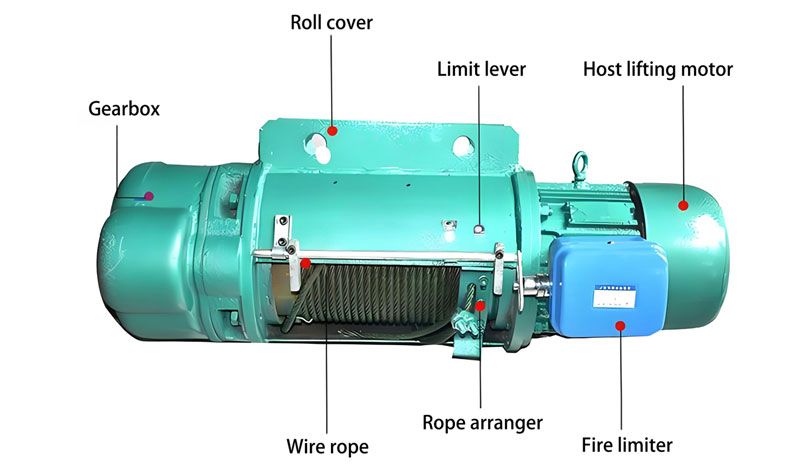
Оба: Должны иметь важные функции безопасности, такие как ограничители нагрузки/защита от перегрузки и механические тормоза.. Электрический подъемник часто включают дополнительные функции, такие как кнопки аварийной остановки, Фаза защита, и защита двигателя от тепловой перегрузки.. Безопасность цепной тали во многом зависит от правильного использования оператором и недопущения превышения мощности..
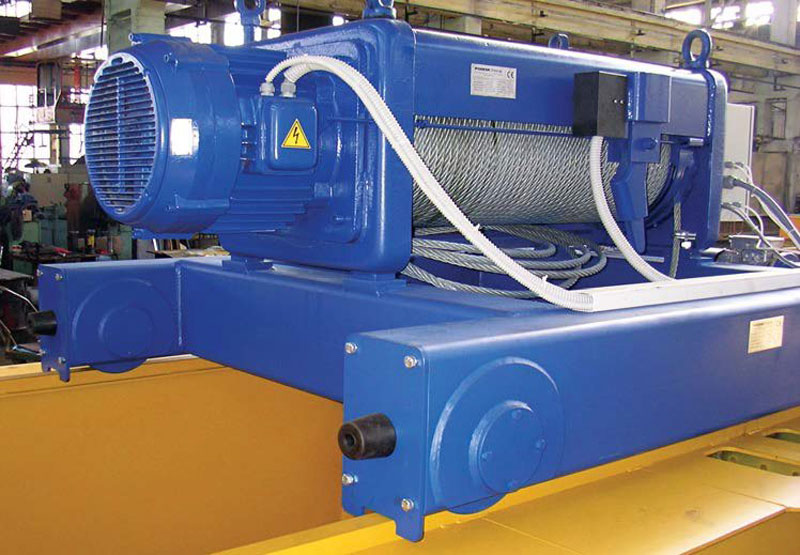
1. Высокочастотный, повторяющиеся подъемные задачи.
2. Эффективный подъем тяжелых грузов.
3. Области применения, требующие более высоких скоростей подъема/опускания.
4. Ситуации, когда необходимо свести к минимуму утомляемость оператора.
5. Интеграция в производственные линии или автоматизированные процессы.
6. Часто поднимать на большую высоту.
1. Периодические потребности в подъеме.
2. Задачи точного позиционирования (установка оборудования, выравнивание).
3. Приложения, где электричество недоступно, ненадежный, или опасный.
4. Лифты меньшей грузоподъемности, где усилия оператора можно контролировать.
5. Бюджетные проекты.
6. Ситуации, требующие высокой мобильности и быстрой установки в разных местах..
7. Ремонтные мастерские, небольшие мастерские, полевые работы.
Не существует единственного «лучшего» подъемника. Правильный выбор полностью зависит от ваших конкретных потребностей.:
1. Вес нагрузки & Частота: Насколько тяжелый, как часто?
2. Высота подъема & Нужна скорость: Как далеко, как быстро?
3. Доступность мощности: Надежное электричество на объекте?
4. Требования к точности: Нужен точный контроль?
5. Бюджет: Первоначальная стоимость против. долгосрочные эксплуатационные расходы?
6. Портативность: Нужно часто передвигать?
7. Среда: Дасти, влажный, взрывоопасная атмосфера? (Требует определенных оценок).
Тщательно взвесив эти факторы с сильными и слабыми сторонами электрических и цепных тельферов., вы можете с уверенностью выбрать подъемный инструмент, обеспечивающий максимальную безопасность, эффективность, и ценность для вашего конкретного применения. Помнить, иногда наличие каждого из них — идеальное решение для универсального рабочего пространства.!
А1: Оба имеют одинаковый диапазон мощности. (НАПРИМЕР., 0.5–20+ тонн). Однако, электрические тали эффективно справляются с тяжелыми грузами без напряжения оператора, в то время как ручные цепные тали полагаются на человеческие усилия (что делает очень тяжелые нагрузки непрактичными для частого использования).
А2: Идеально подходит для:
1. Частый/повторяющийся подъем.
2. Тяжелые грузы (1+ тонны).
3. Задачи, требующие скорости или минимальной утомляемости оператора.
4. Производственные линии или автоматизированные настройки.
А3: Выберите, когда:
1. Точное позиционирование имеет решающее значение (НАПРИМЕР., выравнивание оборудования).
2. Электричество отсутствует или опасно.
3. Портативность, бюджетный, или периодическое использование имеет приоритет.
4. Легкие грузы или нечастые подъемы.
Мы ценим ваши отзывы! Пожалуйста, заполните форму ниже, чтобы мы могли адаптировать наши услуги к вашим конкретным потребностям.
15 Ключевые особенности электрической тали с тросовым тросом тонны & Преимущества 1. Исключительная подъемная сила……
Взрывозащищенная электрическая таль производства Weihua Group прошла международный……
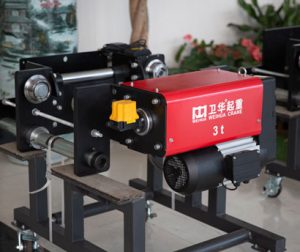
В быстро развивающихся, требовательная среда современного склада, эффективность, безопасность, и ……
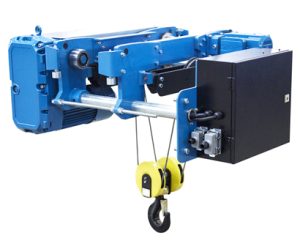
Грузоподъемностью до 4 тонны, этот 4 тонн электрическая таль идеально подходит для погрузочно-разгрузочных работ……

