
เมนูนำทาง

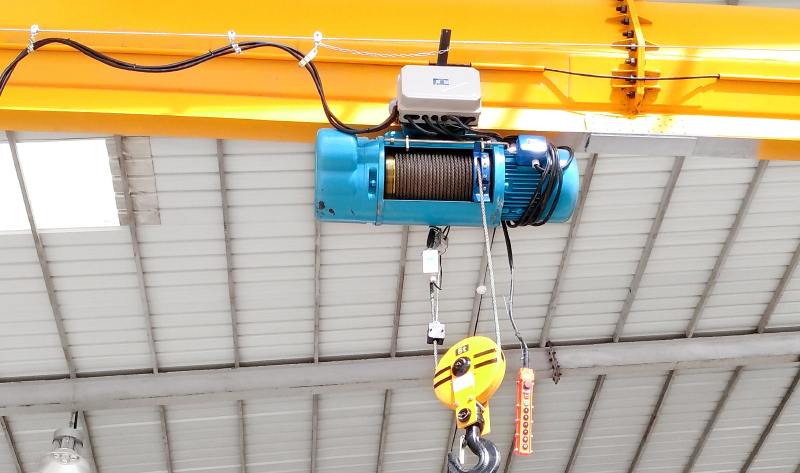
ในโลกของการยกของหนัก, ผู้แข็งแกร่งสองคนมักจะยืนเคียงข้างกันในเวิร์กช็อป, คลังสินค้า, และสถานที่ก่อสร้าง: รอกไฟฟ้าและรอกโซ่แบบแมนนวล (มักเรียกง่ายๆว่ารอกโซ่หรือบล็อกโซ่). ในขณะที่ทั้งสองมีจุดประสงค์พื้นฐานของการยกแนวตั้ง, การดำเนินงานของพวกเขา, ความสามารถ, และการใช้งานในอุดมคตินั้นแตกต่างกันอย่างมาก. การเลือกอันที่ผิดอาจหมายถึงความไร้ประสิทธิภาพ, ความเหนื่อยล้าของผู้ปฏิบัติงาน, หรือแม้แต่พลังที่ไม่เพียงพอ. มาดูรายละเอียดความแตกต่างที่สำคัญกัน.
แชทออนไลน์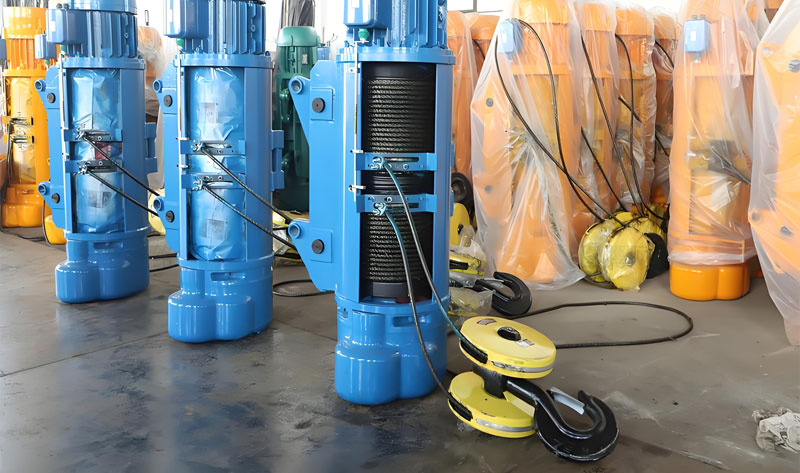
1. แหล่งพลังงาน & การดำเนินการ:
รอกไฟฟ้า: ขับเคลื่อนด้วยมอเตอร์ไฟฟ้า. โดยทั่วไปการทำงานจะดำเนินการผ่านการควบคุมจี้แบบกดปุ่ม (ขึ้น/ลง) หรือบางทีก็เป็นรีโมทวิทยุ. ต้องใช้แหล่งพลังงานไฟฟ้าที่เชื่อถือได้ (เฟสเดียวหรือสามเฟส, ขึ้นอยู่กับรุ่น).
รอกโซ่: ขับเคลื่อนด้วยความพยายามของมนุษย์ล้วนๆ. ผู้ปฏิบัติงานดึงโซ่มือไปในทิศทางเดียวเพื่อยก และดึงอีกทิศทางหนึ่งเพื่อลดภาระ. ไม่ต้องใช้ไฟฟ้า.
2. ความเร็วในการยก & ประสิทธิภาพ:
รอกไฟฟ้า: ความเร็วในการยกและลดความเร็วที่เร็วขึ้นอย่างเห็นได้ชัด. เหมาะสำหรับงานยกซ้ำๆ, การดำเนินงานที่มีปริมาณมาก, หรือการเคลื่อนย้ายสิ่งของในระยะทางที่ไกลขึ้นอย่างรวดเร็ว. เพิ่มผลผลิตอย่างมาก.
รอกโซ่: ความเร็วในการยกค่อนข้างช้า, ขึ้นอยู่กับความแข็งแกร่งและความแข็งแกร่งของผู้ปฏิบัติงานโดยสิ้นเชิง. เหมาะที่สุดสำหรับการขึ้นลิฟต์เป็นครั้งคราว, การวางตำแหน่งที่แม่นยำ, หรืองานความถี่ต่ำ. อาจทำให้ผู้ปฏิบัติงานเหนื่อยล้าจากการใช้งานหนักหรือบ่อยครั้ง.
3. ความสามารถในการยก:
รอกไฟฟ้า: มีให้เลือกหลากหลายความจุ, จากงานเบา (เช่น, 250 กิโลกรัม / 0.25 ตัน) ไปจนถึงรุ่นที่ใช้งานหนักมาก (50 ตัน+). จัดการความจุขนาดใหญ่อย่างมีประสิทธิภาพได้อย่างง่ายดาย.
รอกโซ่: มีให้เลือกหลากหลายความจุ (เช่น, 500 กิโลกรัมถึง 20 ตัน+ ทั่วไป). อย่างไรก็ตาม, ความสามารถในทางปฏิบัติมักถูกจำกัดโดยความสามารถของผู้ปฏิบัติงานในการดึงโซ่อย่างมีประสิทธิภาพ, โดยเฉพาะใกล้กับพิกัดสูงสุดของรอก. รุ่นที่มีความจุสูงมากต้องใช้ความพยายามอย่างมาก.
4. ควบคุม & ความแม่นยำ:
รอกไฟฟ้า: ให้การควบคุมที่ดีผ่านมอเตอร์แบบปรับความเร็วได้ (ในหลายรุ่น) เพื่อการสตาร์ท/หยุดและการวางตำแหน่งที่ราบรื่น. ดำเนินงานได้สม่ำเสมอยิ่งขึ้น. อย่างไรก็ตาม, การควบคุม "นิ้ว" อย่างละเอียดอาจต้องใช้คุณสมบัติเฉพาะ.
รอกโซ่: ให้การตอบสนองสัมผัสที่ยอดเยี่ยมและการควบคุมที่ดีมากเพื่อการวางตำแหน่งที่แม่นยำ (เช่น, เครื่องจักรที่เหมาะสม, การจัดตำแหน่งส่วนประกอบ). ผู้ปฏิบัติงานรู้สึกถึงภาระโดยตรง.
5. การติดตั้ง & ความต้องการ:
รอกไฟฟ้า: ต้องมีการเดินสายไฟฟ้าที่เหมาะสมและมักมีโครงสร้างรองรับที่แข็งแกร่ง (คาน, รถเข็น, โครงสำหรับตั้งสิ่งของ) เนื่องจากความเร็วที่สูงขึ้นและแรงแบบไดนามิกที่อาจเกิดขึ้น. โดยทั่วไปการติดตั้งจะซับซ้อนกว่าและต้องใช้บุคลากรที่มีคุณสมบัติเหมาะสม.
รอกโซ่: การติดตั้งที่ง่ายกว่า. จำเป็นต้องมีจุดยึดที่เหมาะสมเป็นหลัก (ตะขอ, ดึง) บนคานหรือโครงสร้าง. พกพาสะดวกมาก – เคลื่อนย้ายไปยังสถานที่ต่างๆ ได้อย่างง่ายดาย.
6. การพิจารณาต้นทุน:
รอกไฟฟ้า: ต้นทุนการซื้อเริ่มต้นที่สูงขึ้น. ต้องใช้ค่าไฟฟ้าอย่างต่อเนื่อง. มีโอกาสทำให้ค่าบำรุงรักษาสูงขึ้นเนื่องจากมอเตอร์, กระปุกเกียร์, และอุปกรณ์ไฟฟ้า.
รอกโซ่: ต้นทุนการซื้อเริ่มต้นที่ต่ำกว่า. ไม่มีค่าใช้จ่ายด้านพลังงานในการดำเนินงาน (เกินกว่าแคลอรี่ของผู้ปฏิบัติงาน!). โดยทั่วไปจะลดต้นทุนการบำรุงรักษา (เกียร์, ตลับลูกปืน, โซ่).
7. เสียงรบกวน & สิ่งแวดล้อม:
รอกไฟฟ้า: สร้างเสียงรบกวนจากมอเตอร์และกระปุกเกียร์ระหว่างการทำงาน.
รอกโซ่: ดำเนินการอย่างเงียบ ๆ (นอกจากเสียงการเคลื่อนไหวของโซ่แล้ว).
8. คุณสมบัติด้านความปลอดภัย:
ทั้งคู่: ควรมีคุณสมบัติด้านความปลอดภัยที่จำเป็น เช่น ตัวจำกัดน้ำหนัก/การป้องกันน้ำหนักเกิน และเบรกแบบกลไก. รอกไฟฟ้า มักมีคุณสมบัติเพิ่มเติม เช่น ปุ่มหยุดฉุกเฉิน, การป้องกันเฟส, และป้องกันความร้อนเกินพิกัดสำหรับมอเตอร์. ความปลอดภัยของรอกโซ่อาศัยการใช้งานของผู้ปฏิบัติงานอย่างถูกต้องและไม่เกินความจุ.
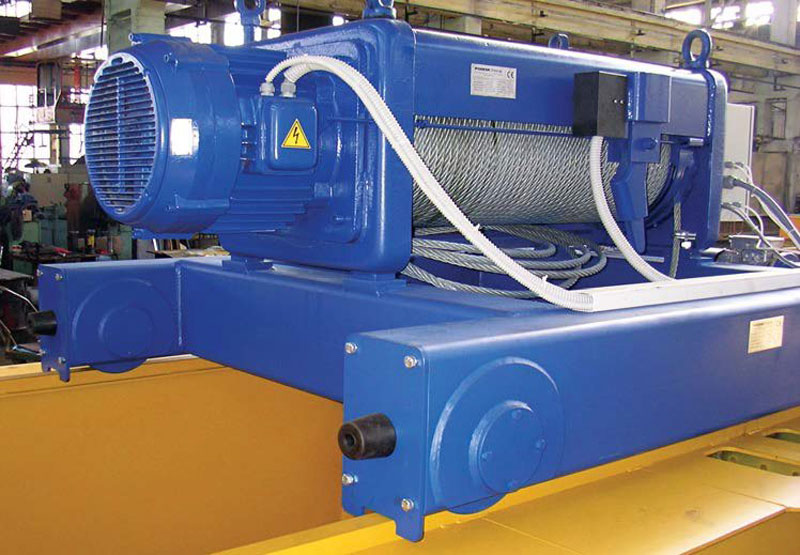
1. ความถี่สูง, งานยกซ้ำๆ.
2. ยกของหนักได้อย่างมีประสิทธิภาพ.
3. การใช้งานที่ต้องการความเร็วในการยก/ลดที่เร็วขึ้น.
4. สถานการณ์ที่จำเป็นต้องลดความเหนื่อยล้าของผู้ปฏิบัติงาน.
5. บูรณาการเข้ากับสายการผลิตหรือกระบวนการอัตโนมัติ.
6. ยกของขึ้นที่สูงบ่อยๆ.
1. ความจำเป็นในการยกเป็นครั้งคราว.
2. งานการวางตำแหน่งที่แม่นยำ (การติดตั้งเครื่องจักร, การจัดตำแหน่ง).
3. แอพพลิเคชั่นในกรณีที่ไฟฟ้าใช้ไม่ได้, ไม่น่าเชื่อถือ, หรือเป็นอันตราย.
4. การยกความจุต่ำลงโดยที่ผู้ปฏิบัติงานสามารถจัดการได้.
5. โครงการที่คำนึงถึงงบประมาณ.
6. สถานการณ์ที่ต้องการความสะดวกในการพกพาสูงและการตั้งค่าที่รวดเร็วในสถานที่ต่างๆ.
7. ร้านซ่อมบำรุง, การประชุมเชิงปฏิบัติการขนาดเล็ก, งานภาคสนาม.
ไม่มีรอกที่ "ดีที่สุด" แม้แต่ตัวเดียว. ทางเลือกที่เหมาะสมขึ้นอยู่กับความต้องการเฉพาะของคุณโดยสิ้นเชิง:
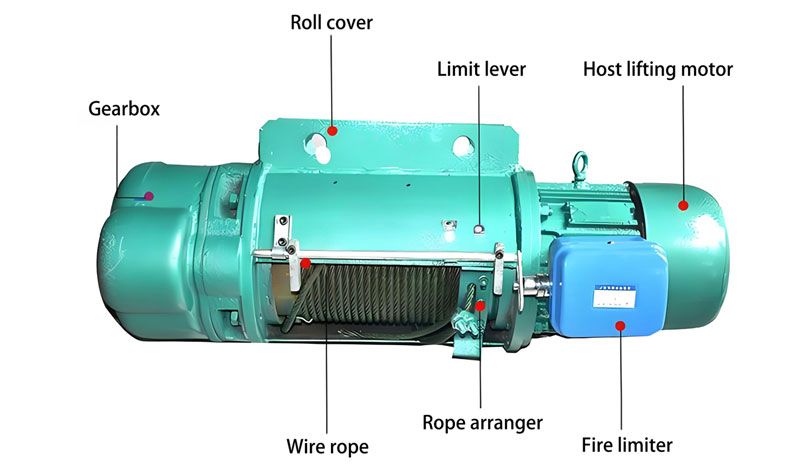
1. โหลดน้ำหนัก & ความถี่: หนักแค่ไหน, บ่อยแค่ไหน?
2. ยกสูง & ต้องการความเร็ว: ไกลแค่ไหน, เร็วแค่ไหน?
3. ความพร้อมใช้งานของพลังงาน: ไฟฟ้าที่เชื่อถือได้ในสถานที่?
4. ข้อกำหนดที่แม่นยำ: ต้องการการควบคุมที่ดี?
5. งบประมาณ: ต้นทุนเริ่มต้นเทียบกับ. ต้นทุนการดำเนินงานระยะยาว?
6. การพกพา: ต้องเคลื่อนย้ายไปมาบ่อยๆ?
7. สิ่งแวดล้อม: เต็มไปด้วยฝุ่น, เปียก, บรรยากาศที่ระเบิดได้? (ต้องมีการจัดอันดับที่เฉพาะเจาะจง).
โดยการชั่งน้ำหนักปัจจัยเหล่านี้อย่างระมัดระวังกับจุดแข็งและจุดอ่อนของรอกไฟฟ้าและรอกโซ่, คุณสามารถเลือกเครื่องมือยกที่เพิ่มความปลอดภัยสูงสุดได้อย่างมั่นใจ, ประสิทธิภาพ, และคุณค่าสำหรับการใช้งานเฉพาะของคุณ. จดจำ, บางครั้งการมีอย่างใดอย่างหนึ่งก็เป็นทางออกที่สมบูรณ์แบบสำหรับพื้นที่ทำงานอเนกประสงค์!
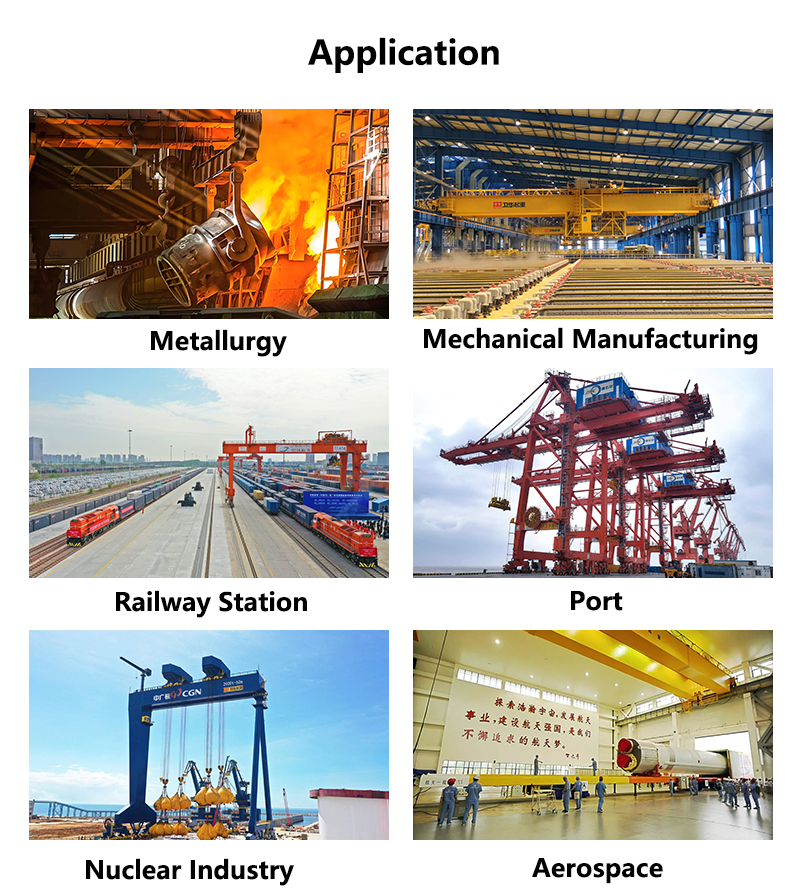
A1: ทั้งสองรุ่นมีช่วงความจุที่ใกล้เคียงกัน (เช่น, 0.5–20+ ตัน). อย่างไรก็ตาม, รอกไฟฟ้ารับน้ำหนักบรรทุกหนักได้อย่างมีประสิทธิภาพโดยไม่ต้องเครียดจากผู้ปฏิบัติงาน, ในขณะที่รอกโซ่แบบมือต้องอาศัยความพยายามของมนุษย์ (ทำให้การบรรทุกหนักมากไม่สามารถใช้งานได้บ่อย).
A2: เหมาะสำหรับ:
1. การยกบ่อยครั้ง/ซ้ำๆ.
2. ภาระหนัก (1+ ตัน).
3. งานที่ต้องการความเร็วหรือความเหนื่อยล้าของผู้ปฏิบัติงานน้อยที่สุด.
4. สายการผลิตหรือการตั้งค่าอัตโนมัติ.
A3: เลือกเวลา:
1. การวางตำแหน่งที่แม่นยำเป็นสิ่งสำคัญ (เช่น, การจัดตำแหน่งเครื่องจักร).
2. ไฟฟ้าดับหรือเป็นอันตราย.
3. การพกพา, ต้นทุนต่ำ, หรือใช้เป็นครั้งคราวเป็นสำคัญ.
4. บรรทุกของที่เบากว่าหรือยกไม่บ่อยนัก.
เราให้ความสำคัญกับความคิดเห็นของคุณ! กรุณากรอกแบบฟอร์มด้านล่างเพื่อให้เราสามารถปรับแต่งบริการของเราให้ตรงกับความต้องการเฉพาะของคุณ.
20 พารามิเตอร์เคเบิลสายไฟฟ้า FT Electric การจำแนกประเภท ชื่อพารามิเตอร์ รายละเอียด PASIC P ……
สัมผัสประสบการณ์การยกที่ง่ายดายและการจัดการวัสดุที่แม่นยำด้วย Weihua Electric Hoi……

2 พารามิเตอร์แกนรอกโซ่ไฟฟ้าตัน พารามิเตอร์ คำอธิบายโดยละเอียด ให้คะแนนหลี่……

ที่ 5 Ton Electric Chain Hoist เป็นอุปกรณ์ยกที่มีประสิทธิภาพและปลอดภัยเป็นพิเศษ Desi ……

