
Меню навігації

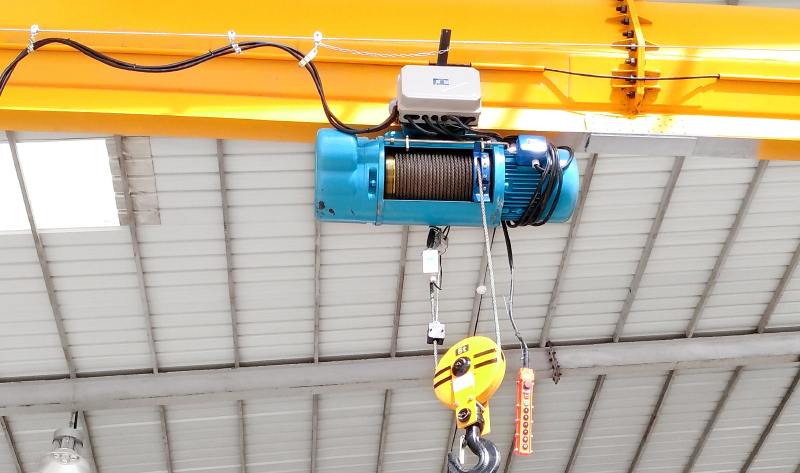
У світі підняття важких вантажів, у майстернях часто пліч-о-пліч стоять двоє відважних людей, складські приміщення, та будівельні майданчики: електрична та ручна ланцюгова таль (часто називають просто ланцюговим підйомником або ланцюговим блоком). Тоді як обидва виконують основну мету вертикального підйому, їх функціонування, можливості, і ідеальні програми істотно відрізняються. Вибір неправильного може означати неефективність, втома оператора, або навіть недостатня потужність. Давайте розберемо основні відмінності.
Інтернет -чат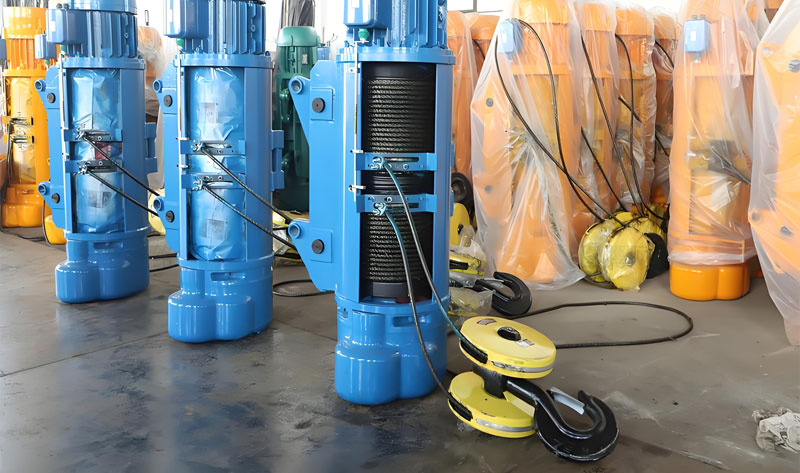
1. Джерело живлення & Операція:
Електричний підйомник: Працює від електродвигуна. Управління зазвичай здійснюється за допомогою кнопкового підвісного керування (вгору/вниз) або іноді пульт дистанційного керування. Потрібне надійне джерело електроенергії (однофазні або трифазні, в залежності від моделі).
Ланцюгова таль: Працює виключно людськими зусиллями. Оператор тягне ручний ланцюг в одному напрямку, щоб підняти вантаж, і в іншому напрямку, щоб опустити вантаж. Електрика не потрібна.
2. Швидкість підйому & Ефективність:
Електричний підйомник: Значно більша швидкість підйому та опускання. Ідеально підходить для повторюваних робіт з підйому, операції великого обсягу, або швидкого переміщення вантажів на великі відстані. Значно підвищує продуктивність.
Ланцюгова таль: Відносно низька швидкість підйому, повністю залежить від сили та витривалості оператора. Найкраще підходить для випадкових підйомів, точне позиціонування, або нижчі завдання. Може викликати втому оператора при інтенсивному або частому використанні.
3. Підняття потужності:
Електричний підйомник: Доступний у широкому діапазоні ємностей, з легких (Напр., 250 кг / 0.25 тонна) до надзвичайно важких моделей (50 тонн+). Ефективно справляється з великою ємністю.
Ланцюгова таль: Також доступний у широкому діапазоні ємностей (Напр., 500 кг до 20 тонн+ заг). Однак, практична потужність часто обмежена здатністю оператора ефективно тягнути ланцюг, особливо поблизу максимальної потужності підйомника. Моделі з дуже високою місткістю вимагають величезних зусиль.
4. КОНТРОЛЬ & Точність:
Електричний підйомник: Забезпечує хороший контроль за допомогою двигунів із змінною швидкістю (на багатьох моделях) для плавного старту/зупинки та позиціонування. Легше працювати послідовно. Однак, точне «дюймове» керування може вимагати певних функцій.
Ланцюгова таль: Забезпечує відмінний тактильний зворотний зв'язок і дуже точне керування для точного позиціонування (Напр., монтажні машини, вирівнювання компонентів). Оператор безпосередньо відчуває навантаження.
5. монтаж & Вимоги:
Електричний підйомник: Потрібна належна електропроводка та часто міцна опорна конструкція (промінь, візок, портальний) внаслідок вищих швидкостей і потенційних динамічних сил. Монтаж, як правило, більш складний і вимагає кваліфікованого персоналу.
Ланцюгова таль: Простіший монтаж. В першу чергу потрібна відповідна опорна точка (гачок, вушко) на балці або конструкції. Дуже портативний – легко переміщувати в різні місця.
6. Розгляд вартості:
Електричний підйомник: Вища початкова вартість покупки. Вимагає постійних витрат на електроенергію. Можливість підвищення витрат на технічне обслуговування через двигун, коробка передач, та електричні компоненти.
Ланцюгова таль: Нижча початкова вартість покупки. Відсутність експлуатаційних витрат на електроенергію (крім калорій оператора!). Зазвичай нижчі витрати на обслуговування (шестерні, підшипники, ланцюг).
7. Шум & Навколишнє середовище:
Електричний підйомник: Створює шум від двигуна та коробки передач під час роботи.
Ланцюгова таль: Працює безшумно (окрім звуків руху ланцюга).
8. Особливості безпеки:
Обидва: Повинен мати такі важливі засоби безпеки, як обмежувачі навантаження/захист від перевантаження та механічні гальма. Електричний підйомник часто містять додаткові функції, наприклад кнопки аварійної зупинки, фазний захист, і тепловий захист двигуна від перевантаження. Безпека ланцюгового підйомника значною мірою залежить від правильного використання оператором і неперевищення вантажопідйомності.
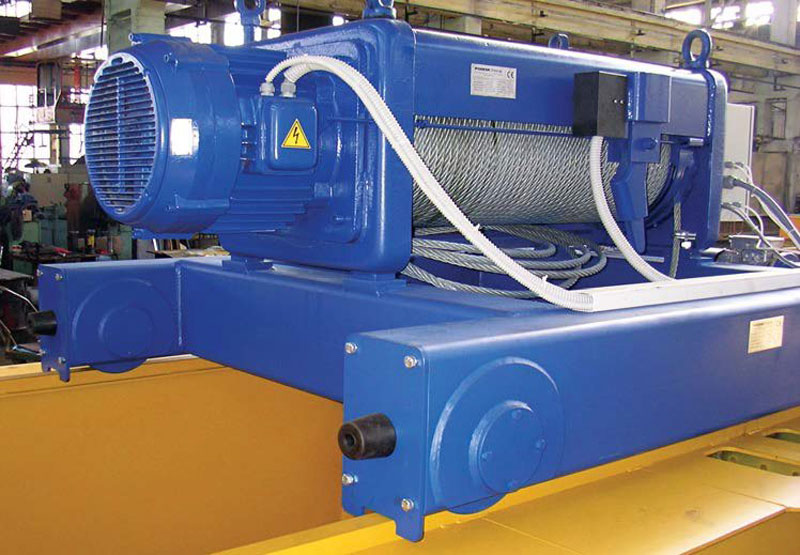
1. Високочастотний, повторювані підйомні завдання.
2. Ефективне підняття важких вантажів.
3. Застосування, що вимагають більшої швидкості підйому/опускання.
4. Ситуації, коли необхідно звести до мінімуму втому оператора.
5. Інтеграція у виробничі лінії або автоматизовані процеси.
6. Часте підняття на велику висоту.
1. Випадкові потреби в підйомі.
2. Завдання точного позиціонування (монтаж машин, вирівнювання).
3. Програми, де немає електрики, ненадійний, або небезпечні.
4. Підйомники меншої вантажопідйомності, де зусилля оператора можна контролювати.
5. Бюджетні проекти.
6. Ситуації, що вимагають високої мобільності та швидкого налаштування в різних місцях.
7. Цехи технічного обслуговування, менші майстерні, польові роботи.
Немає єдиного «найкращого» підйомника. Правильний вибір повністю залежить від ваших конкретних потреб:
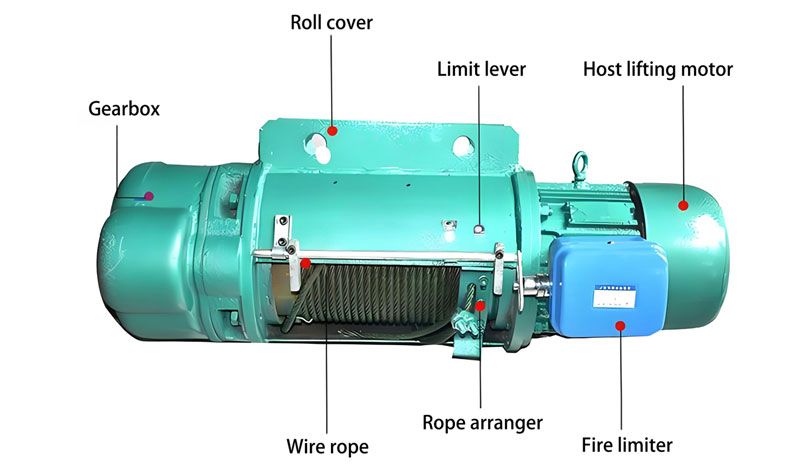
1. Вага навантаження & Частота: Який важкий, як часто?
2. Висота підйому & Потрібна швидкість: Як далеко, як швидко?
3. Наявність електроенергії: Надійна електрика на місці?
4. Вимоги до точності: Потрібен тонкий контроль?
5. Бюджет: Початкова вартість проти. довгострокові експлуатаційні витрати?
6. Переносність: Його потрібно часто переміщати?
7. Навколишнє середовище: Запилений, мокрий, вибухонебезпечна атмосфера? (Вимагає конкретних оцінок).
Ретельно зваживши ці фактори проти сильних і слабких сторін електричних та ланцюгових талей, ви можете з упевненістю вибрати підйомний інструмент, який забезпечує максимальну безпеку, ефективність, і значення для конкретного застосування. Запам'ятати, іноді наявність одного з кожного є ідеальним рішенням для універсального робочого простору!
A1: Обидва мають однакові діапазони потужності (Напр., 0.5–20+ тонн). Однак, електричні підйомники ефективно справляються з великими вантажами без напруги оператора, тоді як ручні ланцюгові підйомники покладаються на зусилля людини (що робить дуже важкі вантажі непрактичними для частого використання).
A2: Ідеально підходить для:
1. Часте/повторюване підняття.
2. Великі навантаження (1+ тонн).
3. Завдання, що вимагають швидкості або мінімальної втоми оператора.
4. Виробничі лінії або автоматизовані налаштування.
A3: Виберіть час:
1. Точність позиціонування має вирішальне значення (Напр., вирівнювання механізмів).
2. Електрика відсутня або небезпечна.
3. Переносність, низька вартість, або випадкове використання має пріоритет.
4. Менші вантажі або рідкісні підйоми.
Ми цінуємо ваш відгук! Будь ласка, заповніть форму нижче, щоб ми могли налаштувати наші послуги до ваших конкретних потреб.
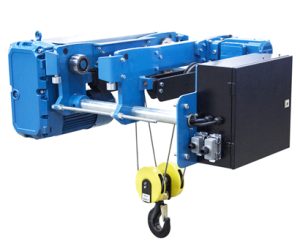
Особливості мостового електричного підйомника 1. Міцна структура: Побудований з високою міцністю ……
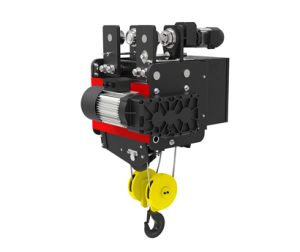
Електричний підйомник Vevor, оснащений міцним мідним двигуном та вдосконаленим тепловим розсіюванням ……
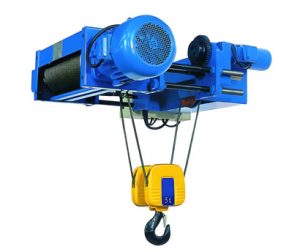
Ключові особливості електричного підйомника ✅ Висока підйомна ємність:Вейхуа важкий електри ……
АН 5 тонн електричний кабельний підйомник – це революційне рішення для підйому, призначене для спрощення……

