
Menu điều hướng

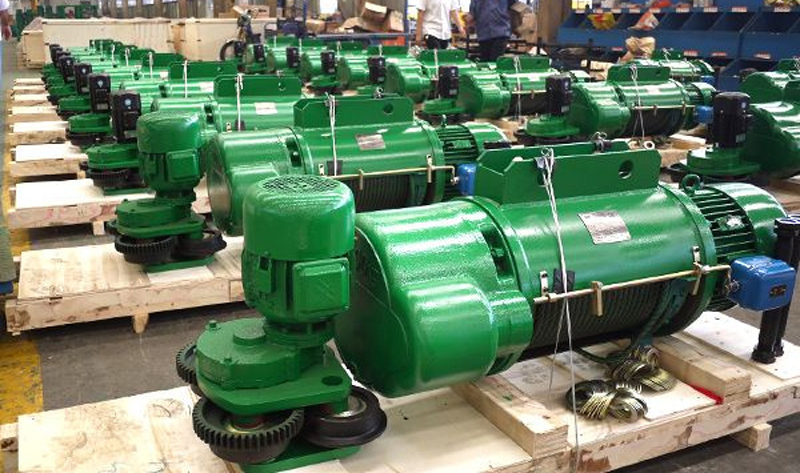
Electric hoists are essential lifting tools widely used in manufacturing, sự thi công, hậu cần, and maintenance industries. To ensure consistent performance, sự an toàn, and quality, leading hoist manufacturers often design their products in compliance with international standards. Among these, the FEM (Fédération Européenne de la Manutention) và DIN (Deutsches Institut für Normung) standards are two of the most recognized in the European and global markets.
Trò chuyện trực tuyếnTrong bài viết này, chúng ta sẽ khám phá ý nghĩa của các tiêu chuẩn FEM và DIN đối với tời điện, chúng tác động như thế nào đến thiết kế và hiệu suất sản phẩm, and why choosing an Hoạt vận động điện built to these standards is crucial for your operation.
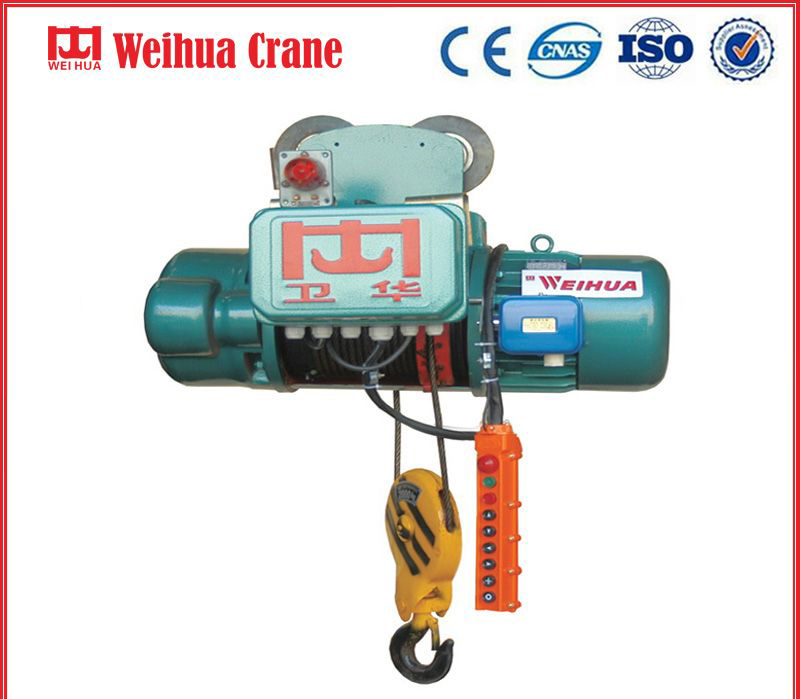
FEM Standards are guidelines issued by the European Materials Handling Federation. They focus on safety, độ bền, and classification of lifting equipment, particularly in terms of duty cycles and load handling.
DIN Standards are technical standards developed by the German Institute for Standardization, covering nearly all aspects of engineering and product safety. In the lifting industry, DIN standards specify technical requirements, dimensions, testing methods, và hơn thế nữa.
FEM categorizes hoists based on:
Operating Time per Day
Load Spectrum (average load vs. công suất định mức)
Number of Starts per Hour
This classification helps determine the mechanical and electrical endurance of the hoist. Ví dụ:
FEM 1Bm: Light duty applications
FEM 2M: Medium to heavy duty (common in manufacturing)
FEM 3m or higher: High-frequency operations (VÍ DỤ., in steel plants or heavy logistics)
DIN standards ensure:
High safety factor in lifting mechanisms (typically 4:1 hoặc cao hơn)
Precision engineering for gearboxes, Động cơ, và phanh
Standardized testing for overload protection, temperature resistance, and emergency operation
Electric hoists manufactured according to DIN dimensions and FEM classifications provide easier:
Component replacement
System upgrades
Cross-brand compatibility (in some cases)
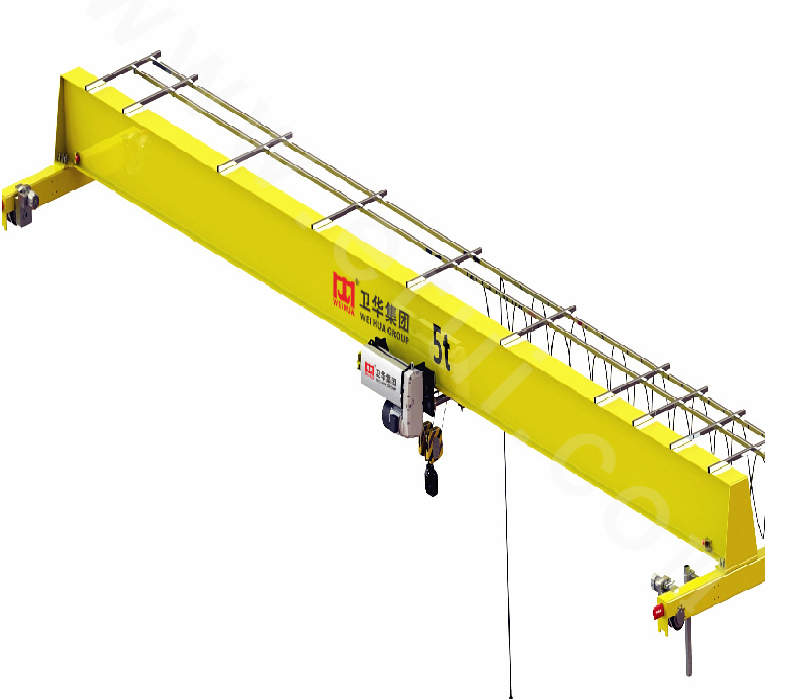
1. Longer Service Life: Designed for specific duty cycles, reducing overuse.
2. Higher Safety Standards: Protects workers and goods during lifting operations.
3. Giảm chi phí bảo trì: Predictable wear and easier part sourcing.
4. Improved Operational Efficiency: Optimized for specific workloads and cycles.
5. International Compliance: Easier to pass safety audits and certifications.
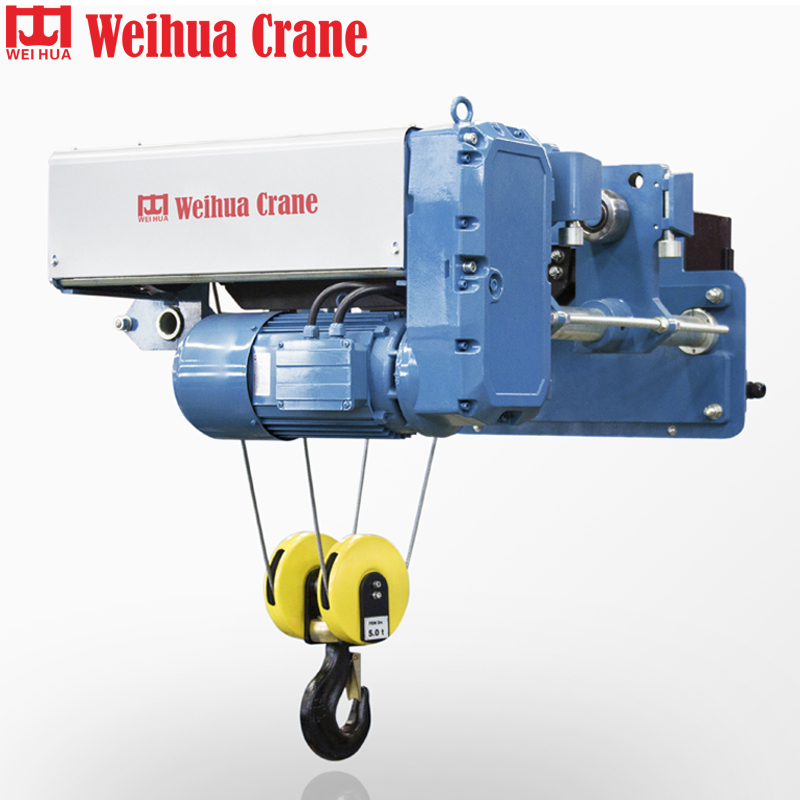
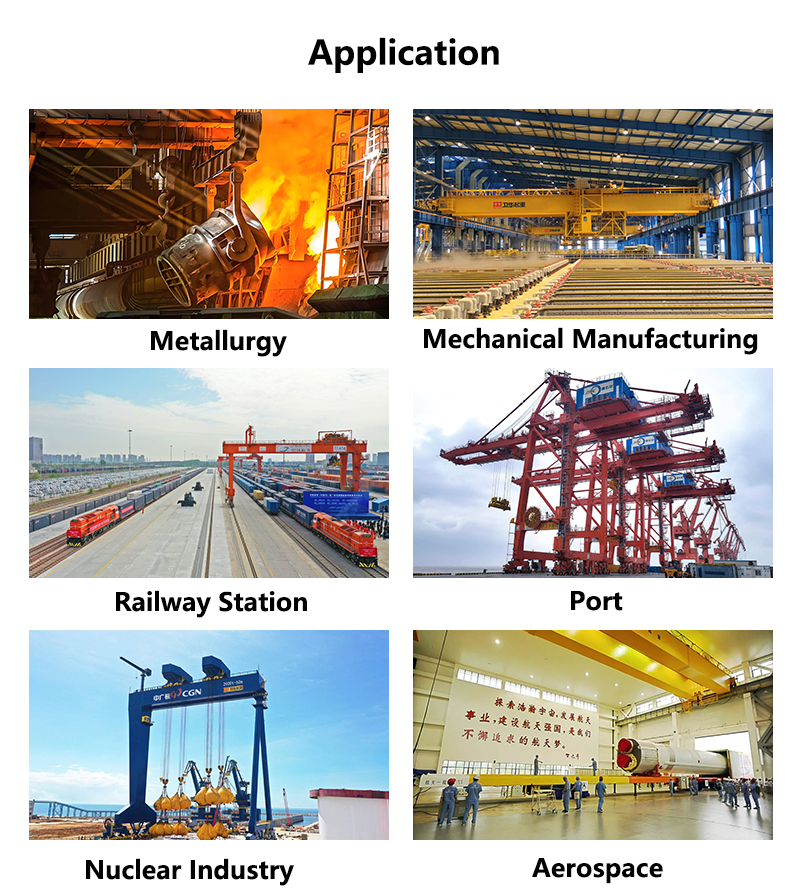
1. Nhà máy sản xuất – consistent, repetitive lifting operations
2. Automotive and aerospace – precision handling of parts
3. Metallurgy – high-temperature environments and heavy loads
4. Kho bãi và hậu cần – fast, efficient material flow
5. Trang web xây dựng – robust lifting under demanding conditions
Q1. What is the difference between FEM and DIN standards?
A1. FEM standards classify hoists based on duty cycles and usage conditions, focusing on operational performance and longevity. DIN standards, on the other hand, define technical specifications, safety requirements, and dimensions for standardized design and manufacturing.
Q2. Why should I choose an electric hoist with FEM/DIN compliance?
A2. Electric hoists with FEM/DIN compliance offer higher safety, better durability, predictable maintenance, and international acceptance. They’re especially suited for industrial environments that demand consistent, heavy-duty lifting.
Q3. What does FEM classification (VÍ DỤ., 1Bm, 2tôi) mean?
A3. FEM classification indicates the hoist’s designed duty cycle:
1Bm: Light-duty (low usage, low load)
2tôi: Medium to heavy-duty (frequent use)
3m and above: Intensive use (industrial and heavy lifting)
It reflects the expected mechanical wear life and load handling capacity.
Q4. How do I know which FEM class suits my application?
A4. Analyze your operation’s:
Average daily operating hours
Load spectrum (how often full capacity is used)
Number of lifting cycles per hour
Then match it with the appropriate FEM class using manufacturer recommendations or an engineer’s assessment.
Q5. Are FEM and DIN standards mandatory?
A5. They are not legally mandatory in all countries, but they are widely adopted in Europe and internationally recognized as best practice standards. Many industries and buyers prefer or require compliance for quality assurance and workplace safety.
Q6. Can I use a FEM 1Bm hoist in a heavy-duty application?
A6. Technically yes, but not recommended. Using a light-duty hoist in a heavy-duty setting can lead to faster wear, higher risk of failure, and voided warranty. Always select a hoist that meets or exceeds your operational requirements.
Q7. Do FEM/DIN hoists cost more?
A7. They may have a higher upfront cost due to advanced design and safety components, but the long-term value is greater thanks to reduced downtime, longer service life, and lower maintenance costs.
Q8. Is maintenance easier on DIN-standard electric hoists?
A8. Đúng. DIN standards help ensure component uniformity, making parts replacement and service procedures more consistent and accessible, especially in international markets.
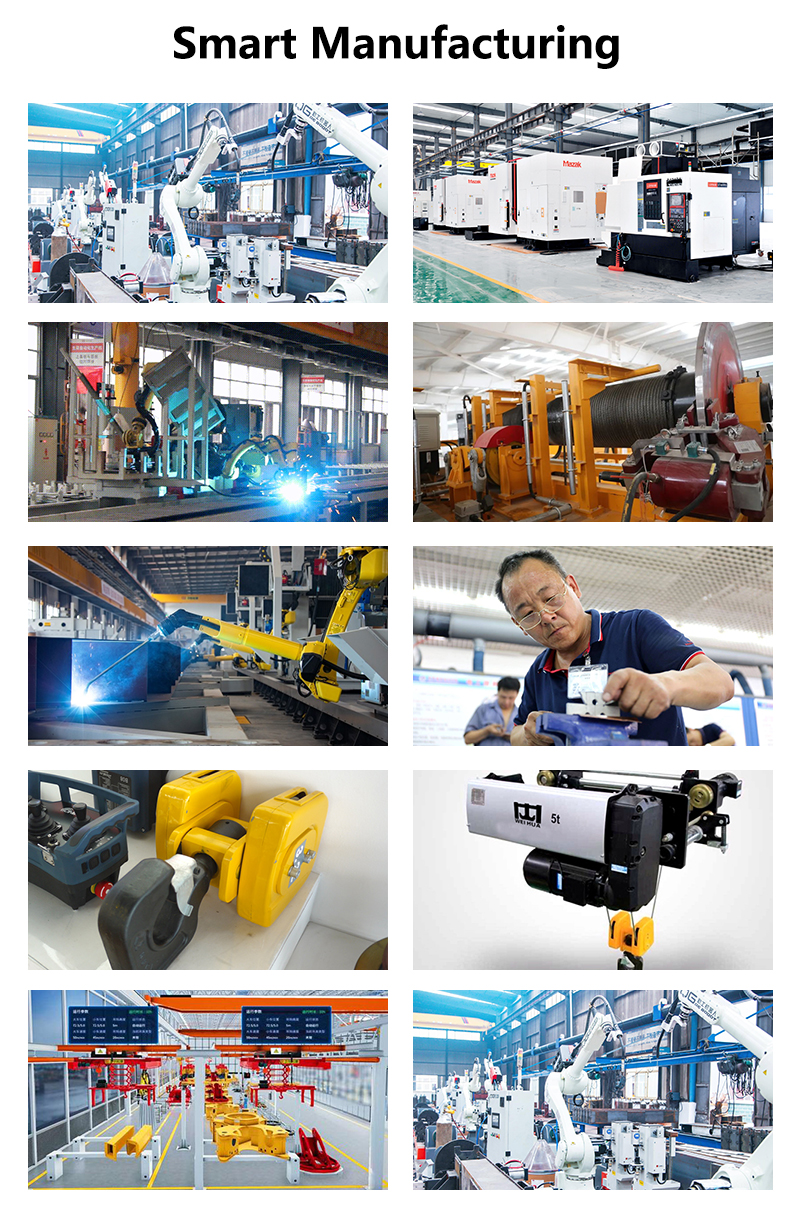
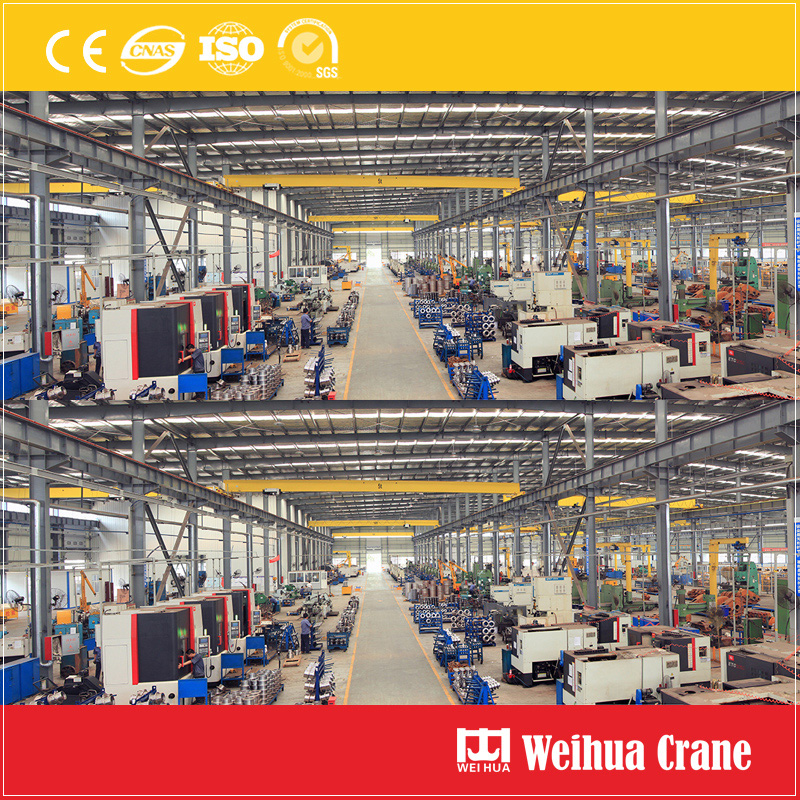
Investing in an electric hoist built to FEM and DIN standards is a strategic decision that ensures reliability, sự an toàn, and regulatory compliance. Whether you operate a light-duty warehouse or a heavy industrial plant, choosing the right hoist according to these standards guarantees better performance and peace of mind.
Before purchasing, always verify the hoist’s FEM duty classification and DIN compliance to make sure it suits your application. It’s not just about lifting—it’s about lifting smart and safe.
Chúng tôi coi trọng phản hồi của bạn! Vui lòng hoàn thành biểu mẫu bên dưới để chúng tôi có thể điều chỉnh các dịch vụ của mình theo nhu cầu cụ thể của bạn.

10 Các tính năng chính của Palăng xích điện 1. Khả năng nâng cao: Hỗ trợ tối đa……
Các 1 Tăng dây điện dây điện là lý tưởng cho các nhiệm vụ nâng vừa và nhỏ do t ……
Giới thiệu sản phẩm Palăng điện xe đẩy dầm đôi là loại xe nâng công suất lớn, công nghiệp……

Tăng tốc điện Weihua Jib Crane kết hợp tính linh hoạt của một cánh tay Jib với sức mạnh

