
Menu điều hướng

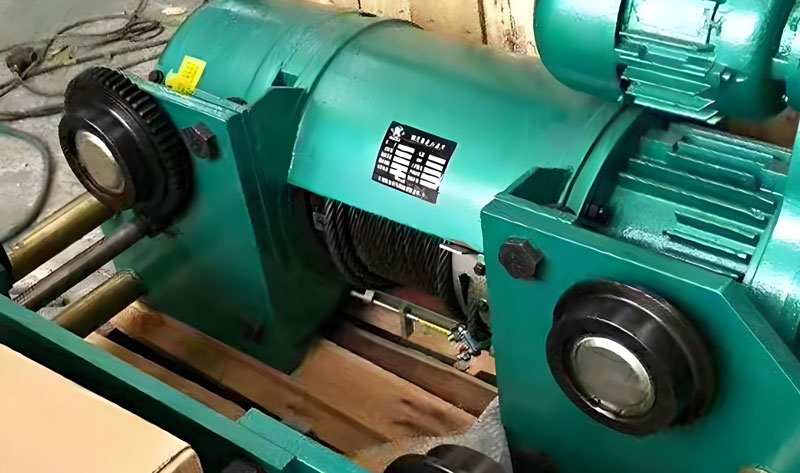
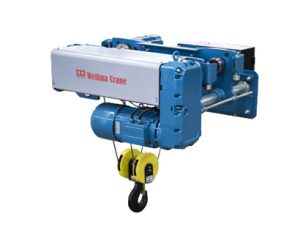
Trong thế giới chế tạo kim loại có tính rủi ro cao, nơi mà sự chính xác gặp phải sự ép buộc và thời hạn quá lớn, hiệu quả và an toàn không chỉ là mục tiêu – chúng còn là nền tảng của lợi nhuận và sự tồn tại. Và khi phải di chuyển tấm nặng, định vị các mối hàn phức tạp, hoặc tải thành phẩm, Palăng điện nổi lên như một cỗ máy phát điện không thể thiếu. Không chỉ là sự tiện lợi, đó là một khoản đầu tư chiến lược giúp thay đổi hoạt động sản xuất của bạn.
Trò chuyện trực tuyếnĐã qua rồi những ngày (hoặc họ nên!) chỉ dựa vào sức lao động chân tay mỏi mệt hoặc những dây xích cồng kềnh cho mỗi lần nâng. Hoạt vận động điện mang lại một mức độ quyền lực, điều khiển, và độ lặp lại mà các phương pháp thủ công không thể sánh được, giải quyết những thách thức cốt lõi của một cửa hàng chế tạo kim loại:
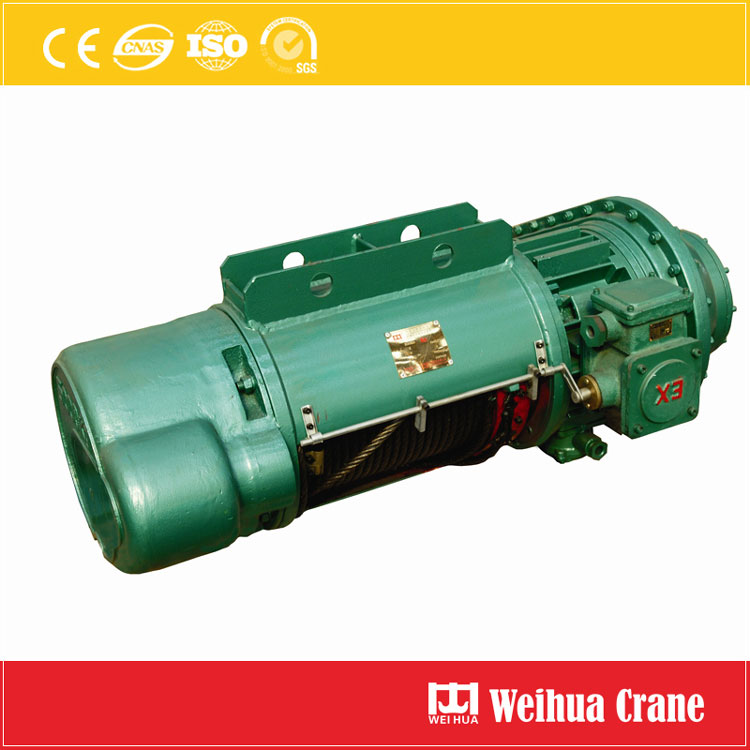
1. Thuần hóa trọng tải: Từ tấm thép dày và dầm kết cấu đến máy móc lớn và chế tạo hoàn thiện, kim loại nặng. Palăng điện dễ dàng xử lý công suất từ vài trăm pound đến vài tấn, nâng tải không an toàn hoặc không thể cho nhân viên.
2. Vị trí chính xác: Hàn, gia công, và lắp ráp yêu cầu độ chính xác chính xác. Palăng điện mang đến sự êm ái, nâng hạ có kiểm soát, cho phép người vận hành định vị chính xác các bộ phận ở nơi cần thiết – rất quan trọng cho việc lắp đặt, căn chỉnh, và kiểm soát chất lượng.
3. Tăng năng suất: Thời gian là tiền bạc. Palăng điện giảm đáng kể thời gian di chuyển vật liệu giữa các lần cắt, uốn cong, hàn, và trạm lắp ráp. Việc mất vài phút với phương pháp thủ công chỉ mất vài giây với tời điện. Điều này giải phóng lao động có tay nghề cho các nhiệm vụ giá trị gia tăng.
4. An toàn là trên hết, Luôn luôn: Xử lý thủ công các vật kim loại nặng là nguyên nhân chính gây thương tích tại cửa hàng – căng thẳng, bong gân, vết thương lòng, và tệ hơn. Tời điện đưa công nhân ra khỏi đường lửa trực tiếp. Các tính năng an toàn mạnh mẽ như bảo vệ quá tải, dừng khẩn cấp, và hệ thống phanh an toàn tạo ra một môi trường làm việc an toàn hơn đáng kể, giảm tai nạn và chi phí liên quan (phúc lợi công nhân, thời gian ngừng hoạt động).
5. Công thái học của người vận hành: Giảm căng thẳng về thể chất không chỉ là về sự an toàn; đó là về việc ngăn ngừa mệt mỏi. Người vận hành sử dụng tời điện làm việc thông minh hơn, không khó hơn, dẫn đến sự tập trung tốt hơn, ít lỗi hơn, và tinh thần cao hơn.
6. Tính linh hoạt là chìa khóa: Palăng điện tích hợp hoàn hảo vào các thiết lập cửa hàng khác nhau:
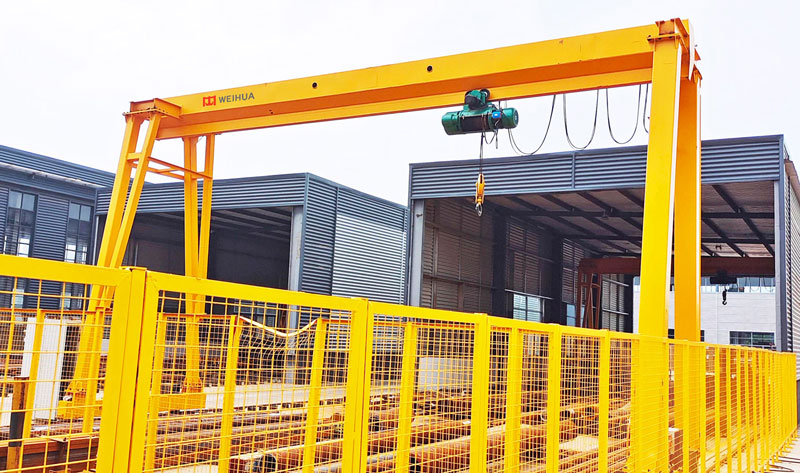
Cầu Cẩu: Giải pháp tối ưu để bao phủ các khu vực rộng lớn của xưởng sản xuất.
Cần cẩu Jib: Hoàn hảo cho việc nâng dành riêng cho máy trạm (VÍ DỤ., gần máy ép phanh, tế bào hàn, hoặc đã thấy).
Cần cẩu giàn với vận thăng điện: Tuyệt vời cho sân ngoài trời, bến cảng tải, hoặc các khu vực không có sự hỗ trợ cố định trên cao.
Đường ray đơn: Để di chuyển tải dọc theo một đường cố định giữa các trạm.
Không phải tất cả các tời đều được tạo ra như nhau cho môi trường đòi hỏi khắt khe của chế tạo kim loại. Hãy xem xét những yếu tố quan trọng này:
1. Dung tích: Xác định trọng lượng tối đa bạn cần nâng thường xuyên. Đừng quên tính đến trọng lượng của phụ kiện nâng (cáp treo, nam châm, thanh rải). Luôn chọn công suất có giới hạn an toàn.
2. Chiều cao nâng: Đo khoảng cách từ điểm móc thấp nhất đến điểm nâng cần thiết cao nhất dưới cần trục hoặc cần trục của bạn.
3. Chu kỳ nhiệm vụ (Lớp CMAA): Xưởng gia công kim loại thường xuyên yêu cầu nâng hạ thường xuyên. Tìm kiếm tời được xếp hạng cho chu kỳ làm việc cao hơn (VÍ DỤ., CMAA Loại D – Nhiệm vụ nặng nề hoặc Loại E – Nhiệm vụ nặng nề) để chịu được việc sử dụng liên tục mà không bị mòn sớm. Rẻ hơn, tời hạng nhẹ sẽ không bền.
4. Môi trường: Xem xét việc tiếp xúc với:
Nhiệt: Gần khu vực hàn hoặc cắt? Đảm bảo tời có đủ khả năng chịu nhiệt.
Bụi & mảnh vụn: Mài và cắt tạo ra các hạt. Tìm kiếm tời có khả năng bảo vệ chống xâm nhập tốt (xếp hạng IP) hoặc xem xét tời kèm theo.
Yếu tố ăn mòn: Một số quy trình hoặc hóa chất nhất định có thể yêu cầu các thành phần bằng thép không gỉ hoặc lớp phủ đặc biệt.
5. Điều khiển: Điều khiển mặt dây chuyền là tiêu chuẩn. Tìm kiếm các thiết kế và tính năng tiện dụng như điều khiển tốc độ thay đổi để định vị tinh tế. Điều khiển từ xa bằng sóng vô tuyến mang lại khả năng di chuyển và khả năng hiển thị cao hơn cho người vận hành, đặc biệt hữu ích cho các thang máy lớn hoặc các vị trí khó xử.
6. Loại tời: Palăng dây cáp thường có công suất cao hơn và độ bền cao hơn cho môi trường nhà xưởng gồ ghề. Palăng xích có thể nhỏ gọn hơn và tiết kiệm hơn vì nhẹ hơn, nhiệm vụ ít thường xuyên hơn.
7. Tính năng an toàn: không thể thương lượng. Phải bao gồm công tắc giới hạn quá tải, công tắc giới hạn trên/dưới, dừng khẩn cấp, bảo vệ quá tải nhiệt, và phanh an toàn.
8. Phụ kiện nâng: Ghép tời nâng với các công cụ bạn cần: tấm nam châm, móc chữ C, kẹp chùm, nâng kẹp, hoặc đồ đạc chuyên dụng.
Đầu tư vào tời điện chất lượng mang lại lợi nhuận rõ ràng:
1. Giảm chi phí lao động: Di chuyển nhiều tài liệu hơn với ít người hơn.
2. Thông lượng nhanh hơn: Nhận việc làm qua cửa hàng nhanh hơn.
3. Thiệt hại tối thiểu: Xử lý chính xác ngăn ngừa thiệt hại tốn kém cho vật liệu và thành phẩm.
4. Tỷ lệ chấn thương thấp hơn & Chi phí: Một cửa hàng an toàn hơn sẽ tiết kiệm tiền và bảo vệ lực lượng lao động của bạn.
5. Chất lượng được cải thiện: Định vị tốt hơn dẫn đến mối hàn và lắp ráp tốt hơn.
6. Nâng cao năng lực cửa hàng: Xử lý lớn hơn, những dự án nặng nề hơn mà trước đây bạn có thể đã từ chối.
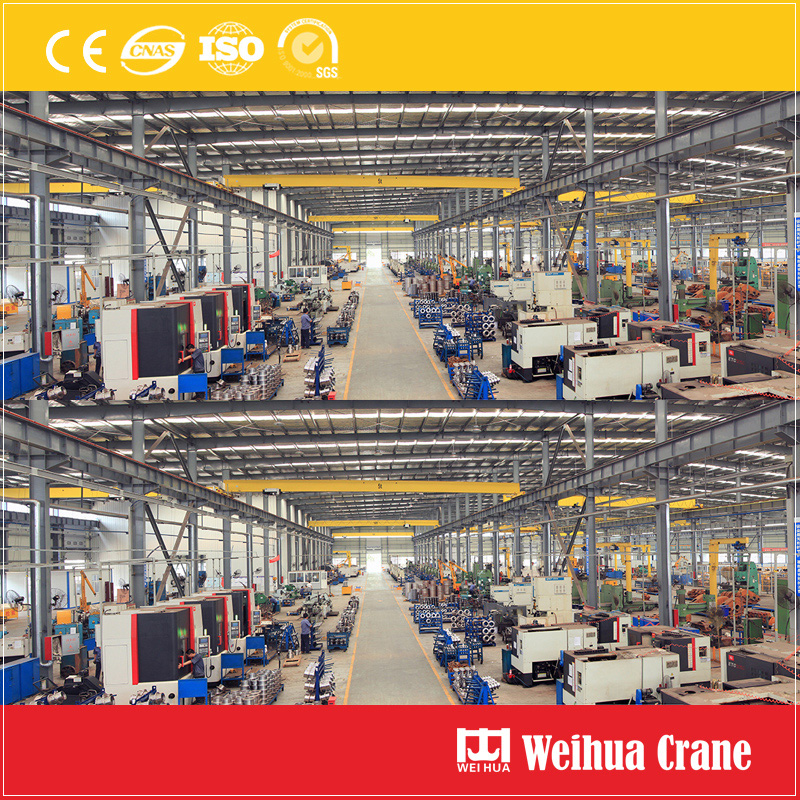
Palăng điện không chỉ là một thiết bị; đó là một hệ số nhân cho xưởng chế tạo kim loại của bạn. Nó trao quyền cho lực lượng lao động của bạn, bảo vệ hạnh phúc của họ, tăng tốc sản xuất, và cuối cùng thúc đẩy lợi nhuận của bạn. Bằng cách lựa chọn cẩn thận tời nâng phù hợp với nhu cầu và môi trường cụ thể của bạn, bạn không chỉ nâng kim loại – bạn đang nâng toàn bộ hoạt động của mình lên một tầm hiệu quả mới, sự an toàn, và khả năng cạnh tranh.
Chúng tôi coi trọng phản hồi của bạn! Vui lòng hoàn thành biểu mẫu bên dưới để chúng tôi có thể điều chỉnh các dịch vụ của mình theo nhu cầu cụ thể của bạn.
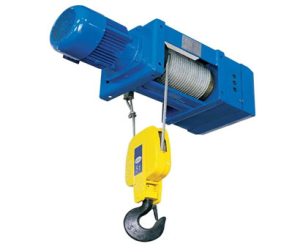
8 Các tính năng chính của Palăng xích điện & Những lợi ích 1. Nâng công suất cao: A tr……
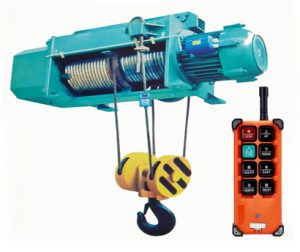
Tại sao nên chọn tời điện Weihua để tháo động cơ? Palăng động cơ truyền thống (anh đào……
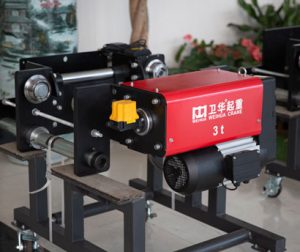
Trong nhịp độ nhanh, Môi trường đòi hỏi của một nhà kho hiện đại, hiệu quả, sự an toàn, Và ……
Các tính năng chính của tời điện Pittsburgh 1. Động cơ mạnh mẽ: Được trang bị một thiết bị điện bền bỉ……

