
Menu điều hướng

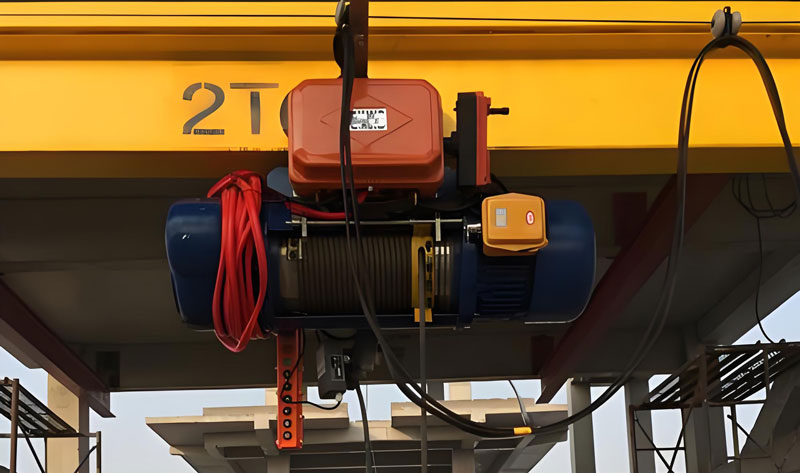
Sự kỳ diệu của sân khấu nằm ở sự chuyển tiếp liền mạch, tiết lộ ngoạn mục, và môi trường năng động. Thảm bay bay lên, bộ phức tạp biến đổi trong vài giây, và lưới ánh sáng rực rỡ hạ xuống một cách chính xác. Đằng sau ảo giác chuyển động dễ dàng này là một phần công nghệ quan trọng: tời điện dùng cho sân khấu và rạp hát. Không chỉ là một động cơ, đó là con ngựa thồ cung cấp năng lượng cho cảnh tượng, đòi hỏi độ tin cậy và an toàn vững chắc.
Trò chuyện trực tuyếnMỘT Palăng điện dùng cho sân khấu và rạp hát là một thiết bị nâng có động cơ được thiết kế đặc biệt cho nhu cầu đặc biệt của môi trường biểu diễn trực tiếp. Khác với tời nâng công nghiệp, các đơn vị này ưu tiên:
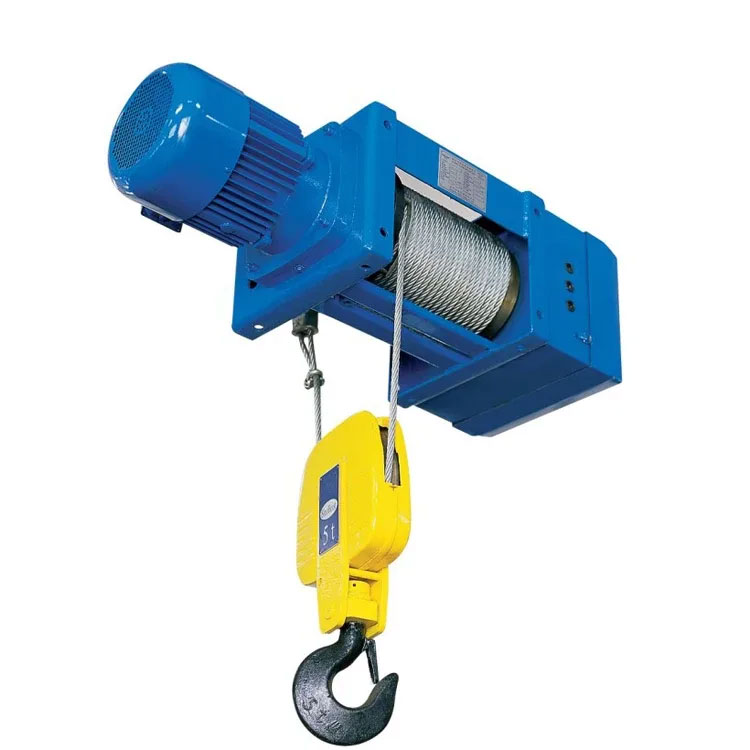
1. Hoạt động im lặng: Hãy tưởng tượng một màn độc thoại đỉnh cao bị gián đoạn bởi một động cơ mài! Palăng sân khấu có hộp số và động cơ chuyên dụng được thiết kế để vận hành gần như im lặng.
2. Kiểm soát chính xác: Khởi đầu suôn sẻ, dừng lại, và kiểm soát tốc độ thay đổi là không thể thương lượng. Cảnh vật phải chuyển động trôi chảy theo đúng tốc độ mà đạo diễn hình dung. Palăng hiện đại thường tích hợp với bảng điều khiển phức tạp để đưa ra tín hiệu phức tạp.
3. An toàn tối đa: An toàn là trên hết người biểu diễn, phi hành đoàn, và khán giả. Palăng nhà hát kết hợp nhiều hệ thống an toàn dự phòng:
Phanh tải cơ học: Tự động tham gia nếu mất điện.
Bảo vệ quá tải: Ngăn chặn việc nâng vượt quá khả năng an toàn.
Giới hạn công tắc: Ngăn chặn việc di chuyển quá mức ở phía trên và phía dưới.
Hệ thống hai phanh: Thường đạt tiêu chuẩn.
Tuân thủ nghiêm ngặt: Tuân thủ các tiêu chuẩn nghiêm ngặt như ANSI E1.6 (Công nghệ giải trí – Hệ thống tời nâng điện), BS 7906, và VN 17206 là điều cần thiết.
4. Độ bền & Độ tin cậy: Chúng phải chịu được việc sử dụng liên tục, thay đổi tải thường xuyên, và môi trường hậu trường bụi bặm. Các thành phần chất lượng cao và kết cấu chắc chắn là rất quan trọng.
5. Thiết kế nhỏ gọn: Không gian hậu trường luôn ở mức cao cấp. Palăng cần diện tích nhỏ so với khả năng nâng của chúng.
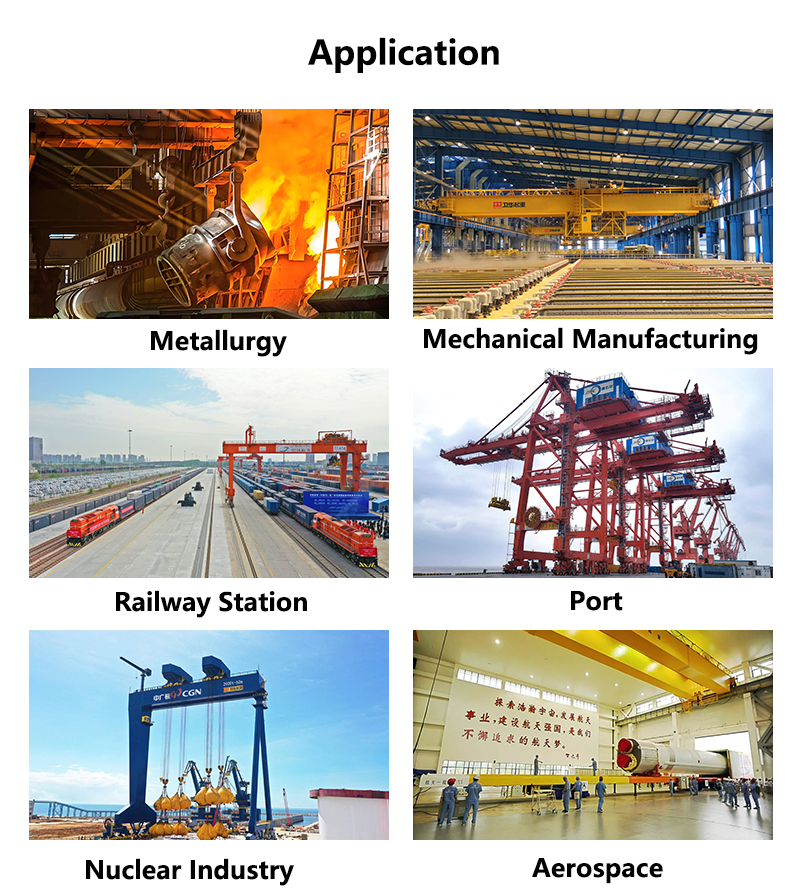
Các Palăng điện dùng cho sân khấu và rạp hát cực kỳ linh hoạt:
phong cảnh bay: Nâng và hạ phông nền, chân, biên giới, nền tảng, và các cảnh quan phức tạp – chức năng cốt lõi.
Thiết bị chiếu sáng: Định vị và tập trung các thanh đèn chiếu sáng nặng (giàn kèo) và đèn riêng lẻ.
Gian lận âm thanh: Cụm loa bay và tháp trễ.
Kiểm soát rèm: Vận hành rèm chính nặng, du khách, và cơn lốc xoáy.
Hiệu ứng đặc biệt: Người biểu diễn bay (với các giàn khoan chuyên dụng và người vận hành được đào tạo), đạo cụ di chuyển, hoặc tạo các yếu tố sân khấu động.
Thang máy dàn nhạc: Nâng hạ toàn bộ phần hố.
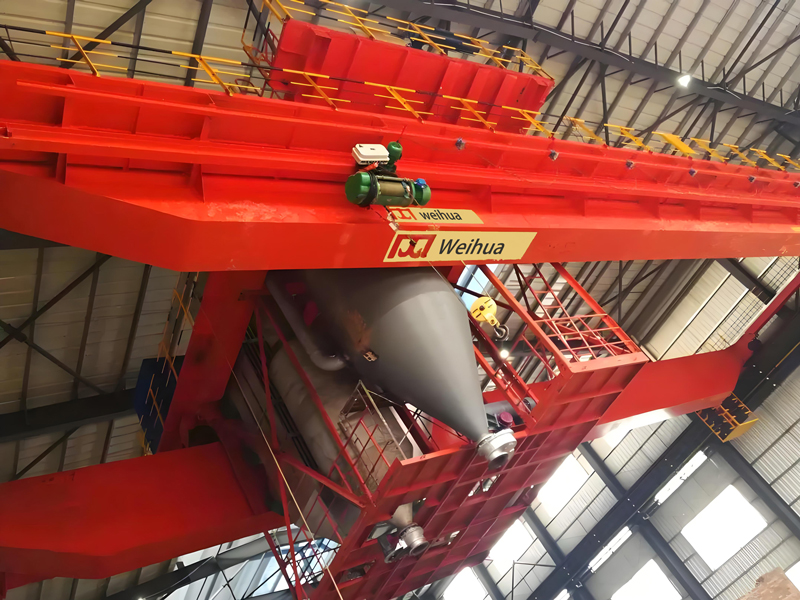
Trong khi hệ thống đối trọng thủ công vẫn tồn tại (và có vị trí của họ), hệ thống tời điện dùng cho sân khấu và rạp hát mang lại những lợi thế hấp dẫn:
Tăng khả năng tải & Chiều cao: Có khả năng xử lý các yếu tố cảnh quan nặng hơn và lớn hơn lên tầm cao hơn.
Thay đổi cài đặt nhanh hơn: Các tín hiệu có thể lập trình cho phép nhiều tời vận hành đồng thời và chính xác, cho phép chuyển cảnh cực kỳ nhanh chóng và phức tạp.
Giảm căng thẳng về thể chất: Loại bỏ sự cần thiết của các đội lớn để kéo dây đối trọng, giảm thiểu nguy cơ chấn thương và mệt mỏi.
Tính linh hoạt nâng cao & Điều khiển: Biến thể tốc độ, định vị chính xác, và tích hợp với các hệ thống tự động hóa cho phép chuyển động được dàn dựng theo cách thủ công không thể thực hiện được.
Hiệu quả không gian: Palăng gắn trực tiếp vào lưới hoặc kết cấu, thường giải phóng không gian cánh có giá trị so với các trục đối trọng.
Hoạt động từ xa: Người vận hành có thể điều khiển hệ thống một cách an toàn từ sàn sân khấu hoặc buồng điều khiển chuyên dụng.
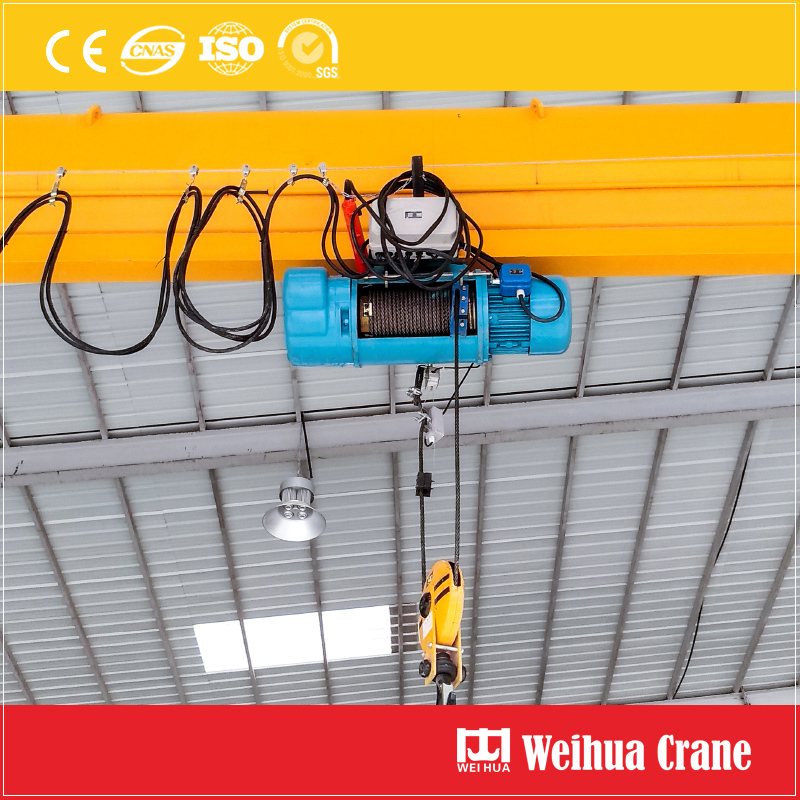
Lựa chọn lý tưởng Palăng điện dùng cho sân khấu và rạp hát đòi hỏi phải xem xét cẩn thận:
1. Sức nâng (SWL – Tải trọng làm việc an toàn): Xác định trọng lượng tối đa mà tời nâng cần nâng, trong đó có phong cảnh, trang bị phần cứng, và dây cương. Luôn bao gồm yếu tố an toàn.
2. Chiều cao nâng & Tốc độ: Cần phải đi bao xa? Cần di chuyển tải nhanh như thế nào? (Tốc độ thường thay đổi theo tải).
3. Chu kỳ nhiệm vụ: Nó sẽ được sử dụng thường xuyên như thế nào? Cần tời làm việc liên tục cho các ứng dụng có cường độ sử dụng cao.
4. Hệ thống điều khiển: Điều khiển mặt dây chuyền đơn giản? Được tích hợp vào bảng điều khiển DMX/Art-Net lớn hơn hoặc bảng điều khiển tự động hóa độc quyền? Khả năng tương thích là chìa khóa.
5. Độ ồn: Được đo bằng dB(MỘT). Rất quan trọng cho không gian rạp hát thân mật.
6. Chứng nhận an toàn: Xác minh sự tuân thủ các tiêu chuẩn liên quan (ANSI E1.6, TRONG 17206, BS 7906).
7. Danh tiếng thương hiệu & Ủng hộ: Lựa chọn nhà sản xuất uy tín, chất lượng, độ tin cậy, và hỗ trợ/dịch vụ kỹ thuật tuyệt vời. (VÍ DỤ., CM Lodestar, Verlinde, Người làm sân khấu, ZFX – mặc dù tên thương hiệu không nên thống trị văn bản SEO).
8. Cài đặt & BẢO TRÌ: Yếu tố trong việc lắp đặt chuyên nghiệp bởi các nhà lắp đặt được chứng nhận và lịch trình bảo trì chặt chẽ. Palăng là thiết bị quan trọng về an toàn.
Làm việc với tời điện dùng cho sân khấu và rạp hát đòi hỏi những tiêu chuẩn an toàn cao nhất:
Lắp đặt chuyên nghiệp & Điều tra: Luôn sử dụng các thiết bị chiếu rạp đã được chứng nhận để lắp đặt và kiểm tra thường xuyên.
Người vận hành có trình độ: Chỉ những nhân viên được đào tạo mới được vận hành hệ thống.
Bảo trì thường xuyên: Bắt buộc phải tuân thủ nghiêm ngặt lịch bảo trì của nhà sản xuất.
Kiểm tra tải: Thực hiện sau khi cài đặt, sửa đổi đáng kể, hoặc định kỳ theo quy định.
Không bao giờ vượt quá SWL: Đây là quy định tuyệt đối.
Sử dụng phần cứng gian lận phù hợp: Xiềng xích, giàn kèo, và cáp đều phải được đánh giá phù hợp và được kiểm tra.
Chúng tôi coi trọng phản hồi của bạn! Vui lòng hoàn thành biểu mẫu bên dưới để chúng tôi có thể điều chỉnh các dịch vụ của mình theo nhu cầu cụ thể của bạn.
Palăng điện vận chuyển hàng hóa tại cảng là một thiết bị nâng hạng nặng được thiết kế đặc biệt cho cảng……
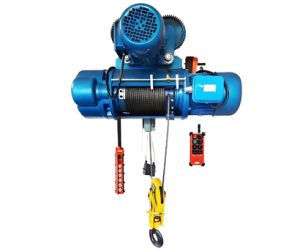
Trải nghiệm nâng hạ dễ dàng và xử lý vật liệu chính xác với Weihua Electric Hoi……
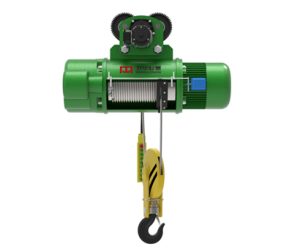
16 Các tính năng chính của Palăng xích điện & Những lợi ích 1. 16-Tấn (32,000 pound) Thang máy ......
Các tính năng chính của Palăng điện tùy chỉnh Weihua 1. Thiết kế phù hợp để phù hợp với ứng dụng……

