
Menu điều hướng

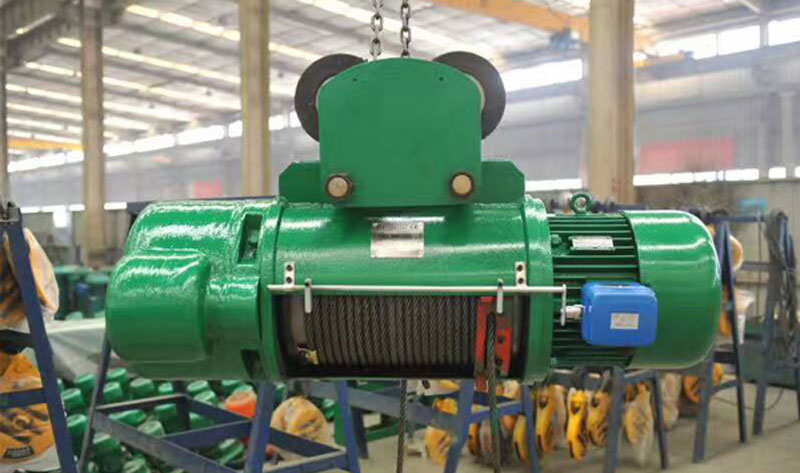
Trong thế giới xử lý vật liệu, lifting heavy loads safely and efficiently is a top priority. Two of the most common tools for this task are the trusty manual hoist and the powerful electric hoist. But when it comes to choosing between them, the decision isn't always black and white. Each has its own set of advantages, ideal applications, and limitations.
Trò chuyện trực tuyếnHiểu được sự khác biệt chính giữa tời thủ công và tời điện là rất quan trọng để chọn công cụ phù hợp cho dự án của bạn, đảm bảo cả an toàn và năng suất. Let’s break them down.
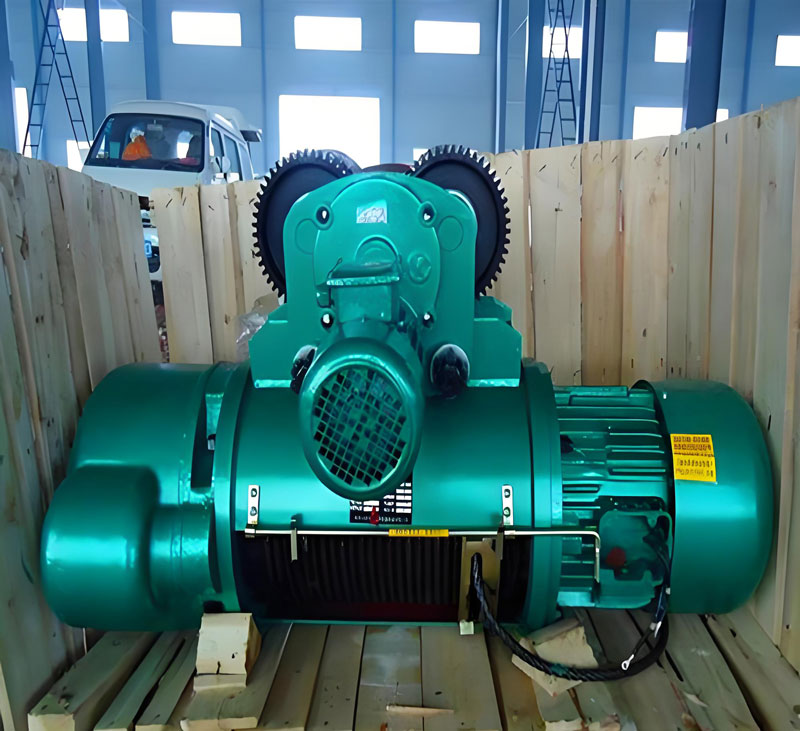
A manual hoist, often referred to as a chain block or lever hoist, relies on human power to operate. The user pulls a chain (Palăng xích) or pumps a lever (lever hoist) to lift, thấp hơn, or pull a load.
1. Occasional or infrequent use
2. Lower capacity loads (though they come in high capacities too)
3. Applications where precise control is critical (VÍ DỤ., dây chuyền lắp ráp, BẢO TRÌ)
4. Remote locations or sites with no reliable power source
5. Users with a limited budget
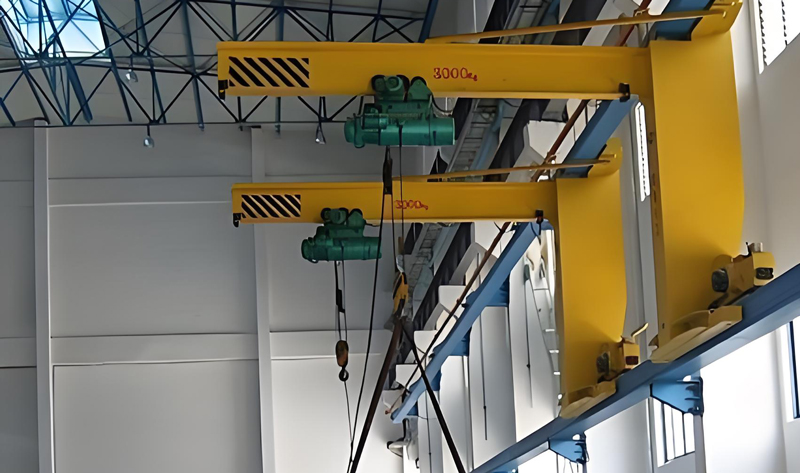
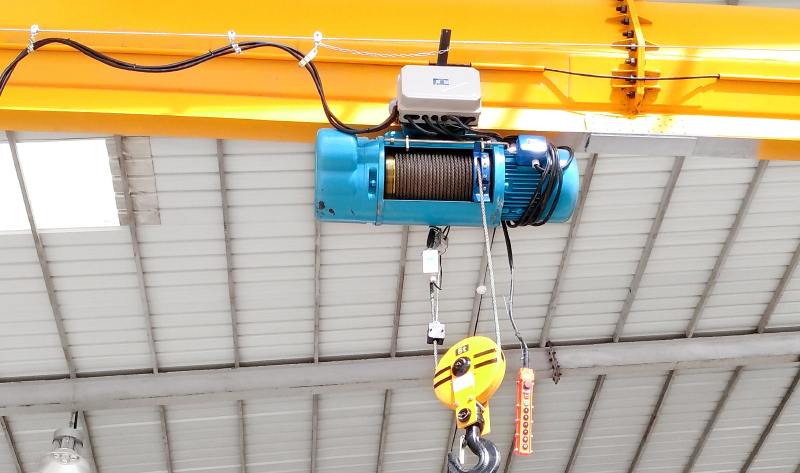
An electric hoist uses an integrated electric motor to lift and lower loads, typically operated via a pendant control button.
1. Thường xuyên, repetitive lifting
2. Heavy and bulky loads
3. High-production environments (VÍ DỤ., chế tạo, Kho)
4. Applications where speed is a priority
5. Situations where operator fatigue is a concern
| Tính năng | Manual Hoist | Hoạt vận động điện |
| Nguồn điện | Human Power | Electricity (110V/240V, 3-Giai đoạn) |
| Tốc độ nâng | Chậm (dependent on the operator) | Nhanh (consistent motorized speed) |
| Chi phí ban đầu | Thấp | Cao |
| Operating Cost | Cố gắng | Electricity + BẢO TRÌ |
| Kiểm soát chính xác | Excellent | Good (requires skilled operator for fine control) |
| Chu kỳ nhiệm vụ | Low to Medium | High to Continuous |
| Tính di động | Cao (lightweight, no cords) | Thấp (heavier, requires power source) |
| BẢO TRÌ | Simple, cơ khí | More complex, electrical components |
| Best Use Case | Occasional, chính xác, or remote lifts | Thường xuyên, high-volume, production lifts |
The choice between manual and electric isn’t about which is “better,” but which is better for your specific needs.
| Choose a Manual Hoist | Chọn tời điện |
| You lift loads infrequently | You are lifting loads multiple times a day |
| Your work is in a remote location with no power | Speed and productivity are critical to your operation |
| Precision is more important than speed | You need to lift very heavy loads consistently |
| Your budget is constrained | You want to reduce physical strain on your workforce |
Think of it like choosing between a manual and an automatic car. The manual gives you more control and is simpler, while the automatic offers ease of use and efficiency for everyday driving.
Before you buy, carefully assess your requirements:
1. How often will you use it?
2. What is your average load weight?
3. Do you have a reliable power source?
4. What is your budget, both for purchase and long-term maintenance?
By answering these questions, you’ll be well-equipped to make an informed decision. Whether you go with the rugged reliability of a manual hoist or the powerful efficiency of an electric model, prioritizing safety and proper training for all operators is always the most important step.
Q1: Which is cheaper, a manual or electric hoist?
MỘT: A manual hoist has a much lower initial purchase price. Tuy nhiên, if you consider long-term operational efficiency for high-use applications, an electric hoist can be more cost-effective by saving significant labor time and reducing operator fatigue.
Q2: Can I use an electric hoist outdoors?
MỘT: You can, but with important considerations. You need a reliable power source, which often requires a generator. You must also ensure the hoist has an appropriate IP (Bảo vệ chống xâm nhập) đánh giá (VÍ DỤ., IP54 or higher) to protect it from dust and water. A manual hoist is often simpler for truly remote or wet outdoor conditions.
Q3: Which type of hoist gives me more control for precise positioning?
MỘT: Nói chung là, a manual hoist provides superior precision control. The operator feels the load directly and can make minute adjustments by hand, making it ideal for fitting parts together or working in tight spaces.
Q4: How do I decide between a chain hoist and a lever hoist (both manual)?
MỘT:
Chúng tôi coi trọng phản hồi của bạn! Vui lòng hoàn thành biểu mẫu bên dưới để chúng tôi có thể điều chỉnh các dịch vụ của mình theo nhu cầu cụ thể của bạn.
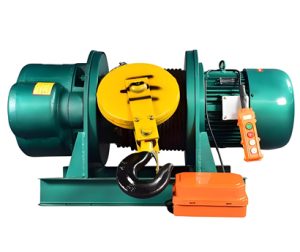
Palăng điện cho luyện kim Các tính năng chính 1. Chịu nhiệt độ cao:Được trang bị trí thông minh……
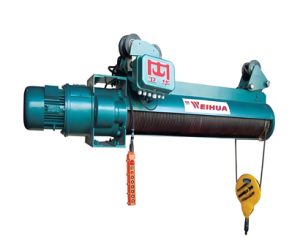
Hoạt điện với các thông số kỹ thuật điều khiển từ xa Tham số Cụ thể phổ biến ……

Các 1 Tăng dây điện dây điện là lý tưởng cho các nhiệm vụ nâng vừa và nhỏ do t ……

Là một thương hiệu hàng đầu trong ngành công nghiệp máy móc nâng Trung Quốc, Nhóm Woleua (Weihha) cho ……

