
Menu điều hướng

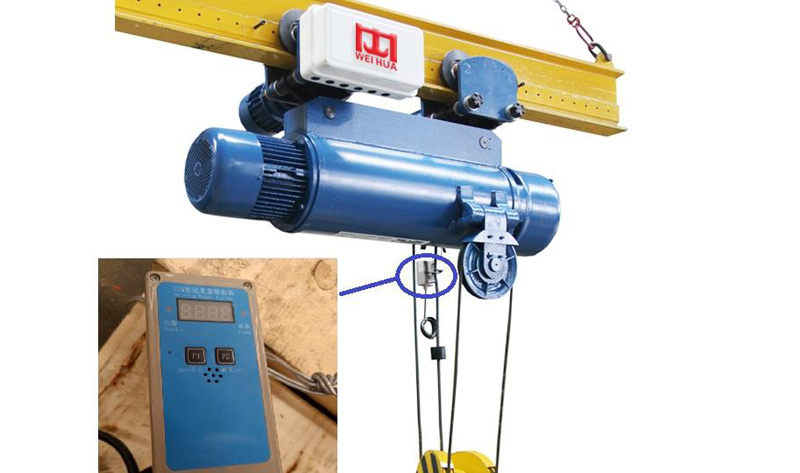
When working with lifting and pulling tasks in industrial, commercial, or even home settings, electric winches and electric hoists are two common tools that often cause confusion. While they may appear similar and sometimes even share components, their purposes, mechanisms, and safety standards differ significantly. Understanding these differences is essential for choosing the right equipment for your application.
Trò chuyện trực tuyếnPalăng tời điện: MỘT electric winch hoist is primarily designed for pulling heavy loads horizontally. Nó thường được sử dụng trong xe địa hình, công trường xây dựng, marine operations, and workshops for dragging or repositioning equipment and materials.
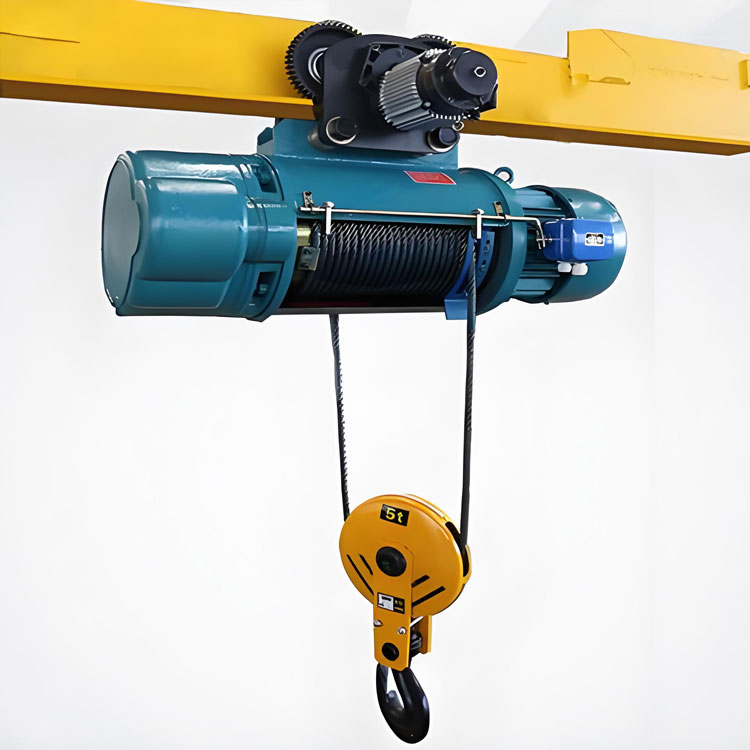
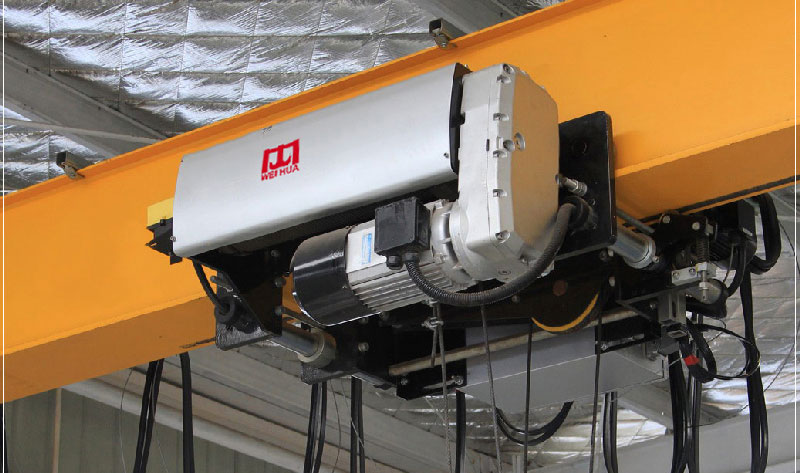
Hoạt vận động điện: An electric hoist is engineered for lifting and lowering loads vertically. It is typically used in factories, Kho, and production lines to raise heavy machinery, công cụ, or pallets safely and efficiently.
Tay quây: Best for horizontal movement. Using it for vertical lifting can be dangerous due to lack of braking systems designed for gravity loads.
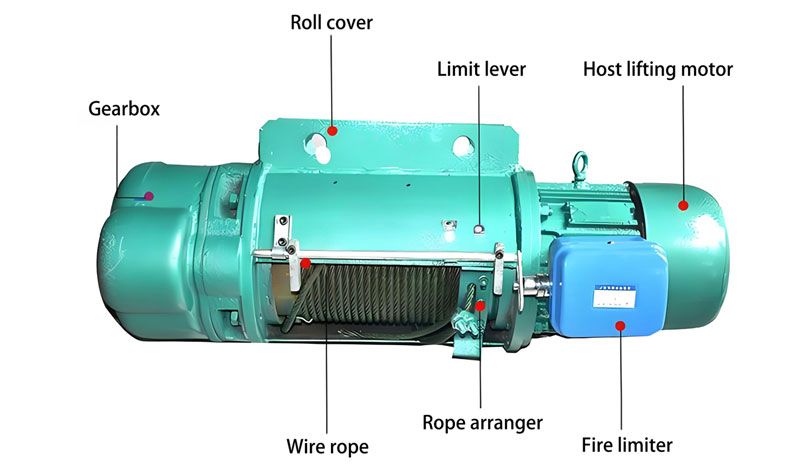
Hoist: Designed for vertical lifting. Built with robust braking mechanisms to prevent loads from falling.
Tời điện: Standard winches may not include fail-safe load brakes. They’re not equipped to hold a suspended load in mid-air safely over time, which makes them unsuitable for lifting.
Hoạt vận động điện: Hoists come with mechanical or electromagnetic brakes that can instantly stop and hold a load in place, even during a power failure—ensuring optimal safety.
Winches often use high-speed motors with planetary gears to maximize pulling power.
Tời nâng feature motors and gear sets designed to provide precise control and high torque at low speed, ensuring smooth lifting and lowering.
Electric Winches are rated for pulling force, usually measured in pounds (pound) or kilonewtons (kN).
Electric Hoists are rated for lifting capacity, measured in kilograms (kg) or tons, and follow strict compliance with industrial safety standards.
| Ứng dụng | Use a Winch | Use a Hoist |
| Dragging a vehicle | √ | × |
| Lifting equipment to a mezzanine | × | √ |
| Repositioning a log on the ground | √ | × |
| Loading heavy machinery onto a truck | × | √ |
Technically, a winch can sometimes lift light loads vertically, but it is not recommended due to safety concerns. Using a hoist for pulling can also damage the internal components. Always use each device for its intended purpose.
Although electric winches and electric hoists might look similar, their differences are significant in terms of function, sự an toàn, và hiệu suất. If you need to pull horizontally, go for an electric winch. If you need to lift vertically, always choose an Hoạt vận động điện. Understanding these distinctions ensures you not only get the job done right—but also safely.
Chúng tôi coi trọng phản hồi của bạn! Vui lòng hoàn thành biểu mẫu bên dưới để chúng tôi có thể điều chỉnh các dịch vụ của mình theo nhu cầu cụ thể của bạn.
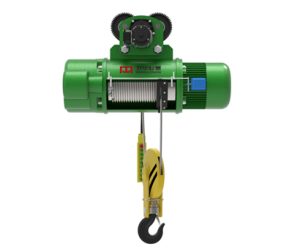
16 Các tính năng chính của Palăng xích điện & Những lợi ích 1. 16-Tấn (32,000 pound) Thang máy ......
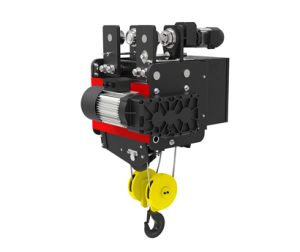
Bạn đã bao giờ gặp rắc rối khi giải quyết những khó khăn trong hoạt động hiện trường, địa điểm cứu hộ, S……
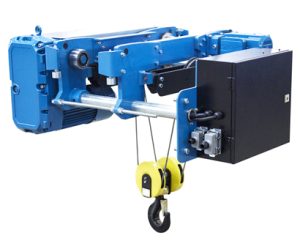
Với sức nâng lên đến 4 tấn, cái này 4 Palăng điện tấn là lý tưởng cho handlin……
Palăng điện VEVOR được trang bị động cơ bằng đồng bền bỉ cùng khả năng tản nhiệt tiên tiến ……

