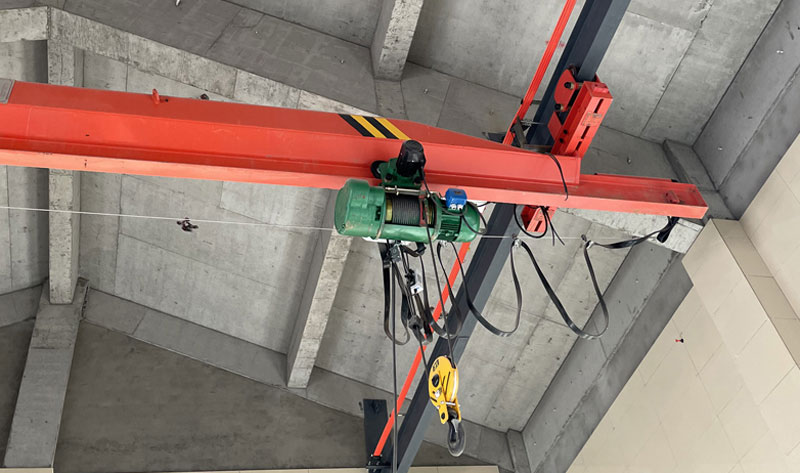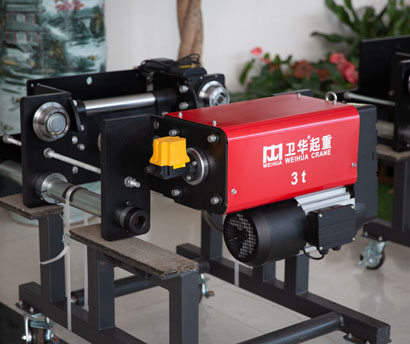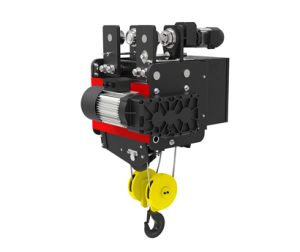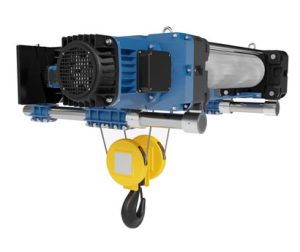
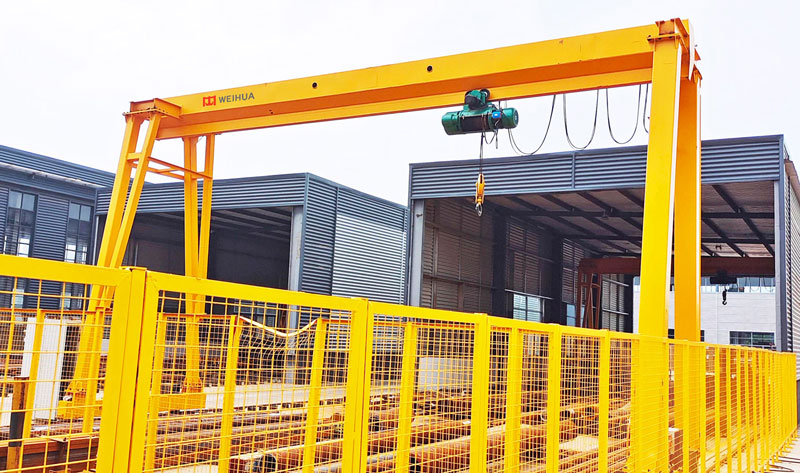
In the high-stakes world of construction, where time is money and safety is paramount, lifting heavy materials efficiently and reliably isn't just a convenience – it's a necessity. Enter the electric chain hoist: a workhorse tool often overlooked but absolutely critical for countless lifting tasks on the modern construction site. Forget brute strength; this piece of equipment delivers precision power where you need it most.
在线聊天1. 原始动力 & 精确: 手动提升在承重能力和控制方面存在严重限制. Electric chain hoists effortlessly handle loads from a few hundred pounds to several tons (5 tons and 10 tons are common construction workhorses), moving them vertically with incredible smoothness and accuracy. This precision is vital for positioning structural steel, 机械, MEP components, or prefabricated modules exactly where they belong.
2. Unmatched Efficiency & Productivity: Time is a critical resource on any project. 电葫芦 dramatically speed up lifting operations compared to manual methods or even more complex crane setups for smaller tasks. A single operator can safely lift significant loads quickly, freeing up skilled labor for other essential tasks and keeping the project schedule on track.
3. 增强的安全性: Construction sites are inherently hazardous. Electric chain hoists significantly reduce the risk of:
4. 多功能性 & Adaptability: These hoists are incredibly flexible:
5. 耐用性 & 可靠性: Built with hardened load chains and robust motors designed for frequent use, quality electric chain hoists are engineered to withstand the rigors of construction site life – dust, vibration, and demanding duty cycles.

1. 强大的结构: Look for solid housings, hardened steel chains, and high-quality gears.
2. Essential Safety Systems: Non-negotiable features include fail-safe mechanical load brakes, 过载保护, 限位开关 (upper and lower), and thermal motor protection.
3. Duty Cycle Rating (例如。, CMAA Class D or E): This indicates how frequently and intensively the hoist can operate. Construction sites typically require Class D (服务一般) or Class E (重型服务) hoists.
4. Weather Resistance (防护等级): For outdoor or partially exposed sites, an IP54 rating (protection against dust and water spray) or higher is crucial.
5. Voltage Compatibility: Ensure the hoist matches the site’s readily available power supply (例如。, 115v, 230v, 460V 3-phase).
6. 控制系统: Pendant controls are standard. Consider features like variable speed for delicate positioning and emergency stop buttons.

Structural Steel Erection: Lifting beams, columns, trusses, and decking into place.
Mechanical, Electrical & Plumbing (MEP): Installing heavy HVAC units, 发电机, transformers, large ductwork sections, and pipe spools.
Precast Concrete: Positioning walls, slabs, 梁, and other precast elements.
Machinery & Equipment Installation: Moving pumps, compressors, 发电机, and other site equipment.
Material Handling: Lifting bundles of rebar, bags of concrete mix (within capacity), formwork panels, and other bulky supplies to upper floors or work areas.
Facade Installation: Handling heavy cladding panels or curtain wall sections.

1. Maximum Capacity: Determine the heaviest load you need to lift. Always add a safety margin – never exceed the rated capacity!
2. 提升高度: Measure the distance from the hook’s lowest point to its highest required position. Specify chain length accordingly.
3. 电源: Verify available voltage and phase on-site.
4. 占空比: Match the hoist’s class (D or E typically) to your expected usage intensity.
5. 环境: Will it be used indoors, outdoors, exposed to dust/moisture? Select the appropriate IP rating.
6. 安装: Decide on trolley type (manual push, 齿轮传动, or motorized) or fixed mounting.
7. 控制: Consider pendant length, variable speed needs, 和 遥控电动葫芦 options if required.
8. 品牌声誉 & 支持: Choose reputable manufacturers known for durability and readily available parts/service. 认证证书 (像ASME B30.16) are essential.

Even the best hoist is only as safe as the operator and the procedures:
1. Rigorous Inspection: Perform pre-shift checks and regular documented inspections per manufacturer and OSHA/ASME standards. Look for chain wear, 损坏的挂钩, loose fasteners, and proper function of safety devices.
2. 操作员培训: Only trained and authorized personnel should operate hoists. Training must cover controls, safe rigging practices, load dynamics, and emergency procedures.
3. Proper Rigging: Use correctly rated and inspected slings, 镣铐, and hardware. 确保负载平衡并固定.
4. Avoid Overloading: This is the cardinal sin. Use load cells if weight is uncertain.
5. Stay Clear: Never stand under a suspended load. Establish and enforce clear lift zones.

The electric chain hoist is far more than just a simple lifting device; it’s a fundamental productivity multiplier and a critical safety asset on any construction site. By delivering reliable, powerful, and controlled vertical lifting, it tackles essential tasks efficiently, protects workers, and helps keep projects moving forward safely and on schedule. Investing in the right hoist for your specific needs, coupled with rigorous safety practices, pays dividends in performance and peace of mind throughout the life of your project. Don’t lift your site’s potential manually – harness the power of the electric chain hoist.
我们重视您的反馈! 请填写下面的表格,以便我们可以根据您的特定需求来量身定制服务.