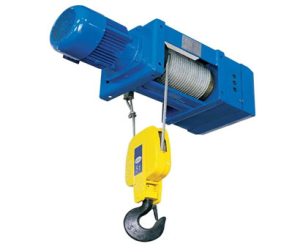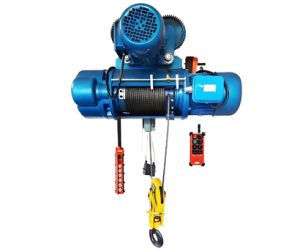
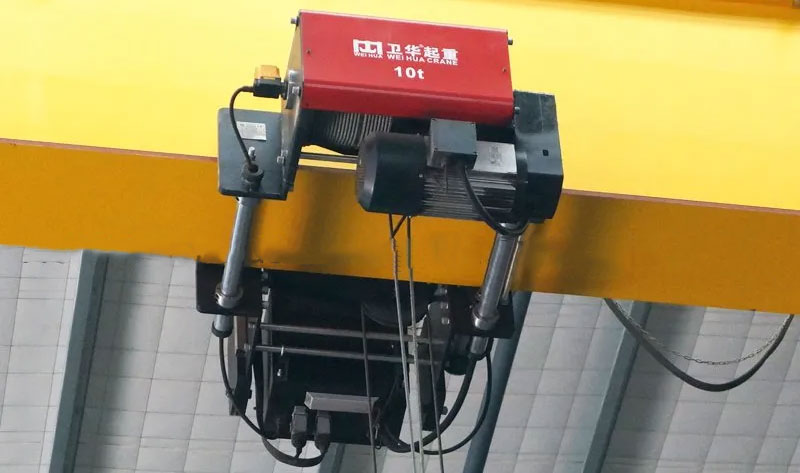
Electric hoists are essential tools in material handling across various industries, including manufacturing, 建造, 和仓储. As lifting equipment often deals with heavy loads, one critical feature that ensures safety and equipment longevity is overload protection. This blog explores the importance, types, and working principles of electric hoist overload protection systems.
在线聊天Overload protection is a safety mechanism integrated into 电力葫芦 to prevent the lifting of loads that exceed the hoist’s rated capacity. Exceeding the safe working load can cause mechanical failure, equipment damage, or serious workplace injuries. Therefore, overload protection plays a crucial role in maintaining safe and efficient operations.

2. Equipment Longevity
Continuous operation under excessive loads strains motors, 齿轮, and structural components. Overload protection prevents such stress, extending the hoist’s operational life.
3. Compliance with Regulations
Safety standards like OSHA, ISO, and ASME require lifting equipment to have reliable safety mechanisms, 包括过载保护. Compliance helps avoid legal issues and ensures workplace safety.
4. 节省成本
Avoiding damage to hoists and loads through overload protection reduces maintenance costs, 停机时间, and the risk of replacing damaged equipment.

1. Mechanical Overload Protection
Slip Clutch: When the load exceeds the rated capacity, the clutch slips to prevent the motor from applying further lifting force.
Shear Pin: A mechanical pin breaks under excessive load to stop hoist operation, protecting other components.
2. Electrical Overload Protection
Current Sensing Relay: Monitors the electrical current. If the current exceeds a preset limit (indicative of overload), the relay shuts down the motor.
Load Cells with Limit Switches: Electronic load sensors monitor the load weight and trigger a shutdown if it exceeds the threshold.
3. Electronic/Smart Overload Protection
Advanced hoists use programmable logic controllers (可编程逻辑控制器) and digital load monitoring systems to detect and respond to overload conditions in real time, often displaying warnings on control panels.

Here’s a typical operational flow:
1. Load Detection: A sensor or mechanical component detects the weight on the hook.
2. Monitoring: The system compares the load to the preset safe limit.
3. Trigger Mechanism: If the load exceeds the limit, a relay or mechanical device is triggered.
4. Shutdown: The hoist motor is stopped or disengaged to prevent damage.
5. Alarm (选修的): Some systems trigger a visual or audible alarm to alert the operator.


Never rely solely on overload protection: Always know your load weight before lifting.
定期检查: Ensure the overload protection system is tested and calibrated regularly.
Train Operators: Educate personnel on load limits and proper hoist use.
Use Certified Equipment: Ensure your hoist meets industry standards for overload protection.
Electric hoist overload protection is not just a feature—it’s a necessity. It safeguards lives, protects equipment, and ensures compliance with safety regulations. Whether you’re operating a small workshop hoist or a large industrial lifting system, investing in a hoist with reliable overload protection is critical for smooth, safe operations.
我们重视您的反馈! 请填写下面的表格,以便我们可以根据您的特定需求来量身定制服务.
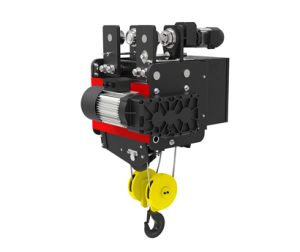
Weihua的电绳葫芦将紧凑的结构与强大的提升能力相结合. …………
您是否曾被野外作业解除困难所困扰, 救援地点, 是……
10 吨电链葫芦钥匙功能 1. 高起重能力: 支持最大值……
核心优势 & 桥式电动葫芦的主要特点 1. Robust Construction &a……